
A nurse is assessing a client who is receiving penicillin IV. For which of the following findings should the nurse report to the provider as a manifestation of anaphylaxis?
Increased blood pressure
Hypertonia
Wheezing
Urinary retention
The Correct Answer is C
Choice A rationale: While increased blood pressure can occur in various conditions, it might not specifically indicate anaphylaxis to penicillin.
Choice B rationale: Hypertonia might not directly correlate with anaphylaxis and could be caused by other factors.
Choice C rationale: Wheezing is a critical sign of anaphylaxis, a severe allergic reaction to penicillin. Reporting wheezing to the provider is crucial for immediate intervention to prevent further complications associated with anaphylaxis.
Choice D rationale: Urinary retention is not a typical manifestation of anaphylaxis to penicillin and might not be directly linked to the allergic reaction.
Nursing Test Bank
Naxlex Comprehensive Predictor Exams
Related Questions
Correct Answer is A
Explanation
Choice A rationale: An activated partial thromboplastin time (aPTT) of 90 seconds is prolonged, indicating that heparin is exerting an increased anticoagulant effect. To prevent bleeding, the nurse should decrease the infusion rate.
Choice B rationale: A platelet count within the normal range wouldn't necessarily prompt a decrease in heparin infusion.
Choice C rationale: The erythrocyte sedimentation rate is not directly related to heparin infusion.
Choice D rationale: An International Normalized Ratio (INR) of 1.2 suggests a low risk of bleeding, not requiring a decrease in heparin infusion.
Correct Answer is D
Explanation
Choice A rationale: Prednisone use doesn't typically lead to hemolytic anemia.
Choice B rationale: Prednisone can actually elevate blood glucose levels.
Choice C rationale: While it's possible, liver toxicity isn't a common adverse effect of prednisone.
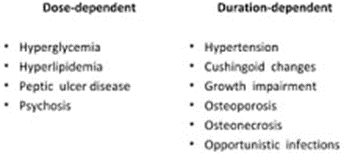
Choice D rationale: Long-term use of prednisone, a corticosteroid, can lead to bone loss (osteoporosis) due to its impact on calcium absorption and bone metabolism in older adults.
Whether you are a student looking to ace your exams or a practicing nurse seeking to enhance your expertise , our nursing education contents will empower you with the confidence and competence to make a difference in the lives of patients and become a respected leader in the healthcare field.
Visit Naxlex, invest in your future and unlock endless possibilities with our unparalleled nursing education contents today