
A nurse is assessing a child who was recently adopted from a foreign country and has not yet received any immunizations. The child has a high fever, rhinitis, and sore throat: The nurse also notes small, irregular, bright red spots with a blue-white center on the buccal membrane. What would the nurse suspect?
Rubella
Varicella
Rubeola
Infectious Mononucleosis
The Correct Answer is C
A. Rubella:
Rubella, also known as German measles, typically presents with a rash that starts on the face and spreads to the trunk and limbs. It does not cause Koplik spots, the small red spots with a blue-white center mentioned in the scenario.
B. Varicella:
Varicella, or chickenpox, is characterized by an itchy rash that progresses to fluid-filled vesicles. It does not typically involve Koplik spots, and the scenario doesn't describe a vesicular rash.
C. Rubeola (Measles):
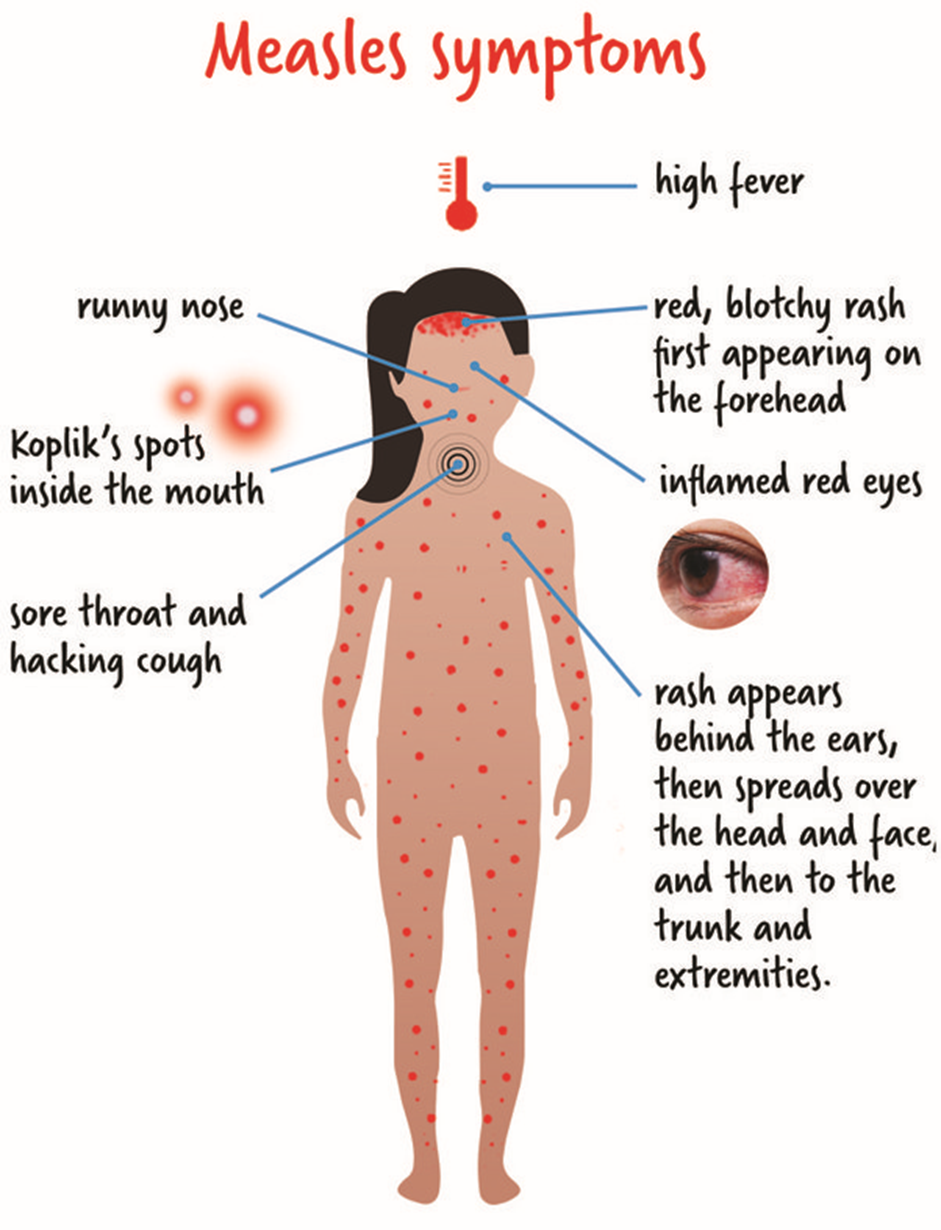
Rubeola, or measles, presents with symptoms such as high fever, cough, rhinitis, and conjunctivitis. The characteristic Koplik spots, small red spots with a blue-white center, often appear on the buccal mucosa. This matches the description in the scenario.
D. Infectious Mononucleosis:
Infectious Mononucleosis is characterized by symptoms like fever, sore throat, and swollen lymph nodes. It does not present with the specific buccal membrane spots seen in measles, and the scenario does not mention other typical signs of infectious mononucleosis.
Nursing Test Bank
Naxlex Comprehensive Predictor Exams
Related Questions
Correct Answer is D
Explanation
A. “My child has a vocabulary of approximately 20 words.”
This statement indicates language development, and an 18-month-old with a vocabulary of approximately 20 words is within the expected range. It's a positive indicator of language acquisition.
B. “My child is still thumb sucking.”
Thumb sucking is a common self-soothing behavior in infants and toddlers. While it's a normal behavior, it typically decreases with age. Thumb sucking alone may not necessarily be a cause for concern unless it persists significantly and interferes with other aspects of development.
C. “My child seems to be quite wary of strangers.”
Stranger anxiety is a normal developmental stage, and many children exhibit wariness or fear of unfamiliar people around the age of 18 months. It is considered a typical response and not necessarily indicative of developmental delay.
D. “My child is able to stand but is not yet taking steps independently.”
At 18 months, most children are expected to be walking independently. The inability to take independent steps might be a concern for gross motor skill development. While some variation is normal, a delay in achieving this milestone might prompt further evaluation to rule out any underlying developmental issues.
Correct Answer is B
Explanation
A. The mother opens the capsule and some medication spills on the fingers:
Pancreatic enzymes are usually taken intact, and their contents are meant to be sprinkled on soft food, not opened and spilled. This observation suggests a misunderstanding of the proper administration.
B. The child takes a dose before having an afternoon snack.
In cystic fibrosis, pancreatic enzyme replacement therapy is commonly used to help digest and absorb nutrients. The enzymes are typically taken with meals and snacks to aid in the digestion of food.
C. The child chews an enteric form of the medication:
Pancreatic enzymes are usually enteric-coated to protect them from stomach acid, and they are not meant to be chewed. Chewing can reduce their effectiveness. This observation indicates a need for clarification on administration.
D. The father tells the child that diarrhea is expected with this medication:
While gastrointestinal side effects can occur with pancreatic enzyme use, persistent diarrhea may indicate a dosage issue or other problems. It's important to address this with the healthcare provider. The statement suggests a potential misunderstanding or need for clarification.
Whether you are a student looking to ace your exams or a practicing nurse seeking to enhance your expertise , our nursing education contents will empower you with the confidence and competence to make a difference in the lives of patients and become a respected leader in the healthcare field.
Visit Naxlex, invest in your future and unlock endless possibilities with our unparalleled nursing education contents today