
A nurse in an emergency department is caring for an adolescent following a suicide attempt.
After reviewing the client's history, the nurse should determine which of the following is the priority risk factor for suicide completion.
History of substance abuse.
Previous suicide attempt.
Loss of a parent.
Active psychiatric disorder.
The Correct Answer is B
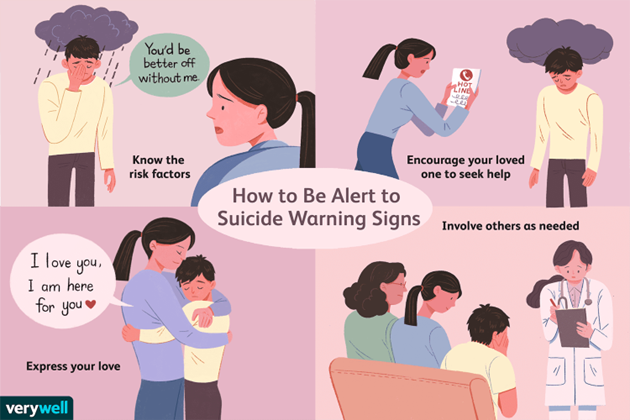
According to the CDC, one of the individual risk factors for suicide is a previous suicide attempt.
Choice A is not the answer because while substance abuse is a risk factor for suicide, it is not the priority risk factor for suicide completion in this case.
Choice C is not the answer because while loss of relationships can contribute to
suicide risk, it is not the priority risk factor for suicide completion in this case.
Choice D is not the answer because while a history of mental illness is a risk factor for suicide, it is not the priority risk factor for suicide completion in this case.
Nursing Test Bank
Naxlex Comprehensive Predictor Exams
Related Questions
Correct Answer is B
Explanation
Nephrotic syndrome is a kidney disorder that causes your body to pass too much protein in your urine.
Swelling around the eyes is the most common sign of nephrotic syndrome in children 2.
Choice A is incorrect because smokey brown urine is not a symptom of nephrotic syndrome.
Choice C is incorrect because hypertension (high blood pressure) is a complication of nephrotic syndrome, not a symptom.
Choice D is incorrect because polyuria (frequent urination) is not a symptom of nephrotic syndrome.
Correct Answer is ["A","B","C","D","E"]
Explanation
The nurse should include all of these points in the teaching.
A. Avoiding bubble baths can help prevent irritation and infection.
B. Watching for manifestations of infection can help detect any worsening or recurrence of the infection.
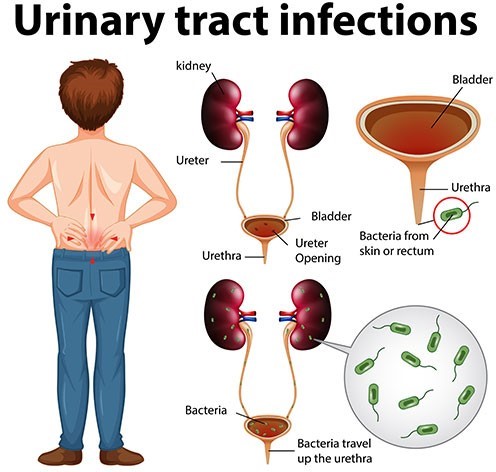
C. Emptying the bladder completely with each void can help prevent urine from remaining in the bladder and causing infection.
D. Wiping the perineal area front to back can help prevent bacteria from
spreading to the urethra.
E. Wearing cotton underpants can help keep the area dry and reduce the risk of infection.
Whether you are a student looking to ace your exams or a practicing nurse seeking to enhance your expertise , our nursing education contents will empower you with the confidence and competence to make a difference in the lives of patients and become a respected leader in the healthcare field.
Visit Naxlex, invest in your future and unlock endless possibilities with our unparalleled nursing education contents today