
A malnourished child is receiving several nutritional supplements. Which statement by the child indicates to the nurse that an adequate amount of Vitamin A is being provided?
"The bruises on my arms are all gone."
"My feet don't tingle like they used to."
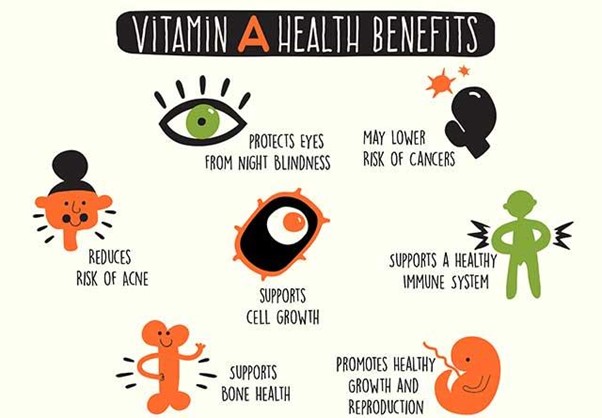
"I can see at night when I wake up now."
"My tummy seems so much smaller now."
The Correct Answer is C
Choice A
"The bruises on my arms are all gone." This statement is incorrect. Bruising can be influenced by various factors, including platelet levels and clotting factors, but it is not a specific sign of Vitamin A deficiency.
Choice B
"My feet don't tingle like they used to. “This statement is incorrect. Tingling feet might be related to nerve function or circulation, but it is not a direct symptom of Vitamin A deficiency.
Choice C
"I can see at night when I wake up now. “This statement is correct. Vitamin A is essential for maintaining good vision, especially in low-light conditions. Deficiency of Vitamin A can lead to a condition called night blindness, where individuals have difficulty seeing in low light. Therefore, the statement "I can see at night when I wake up now" (option C) indicates that an adequate amount of Vitamin A is being provided.
Choice D
"My tummy seems so much smaller now. “This statement is incorrect. Changes in tummy size are not typically related to Vitamin A deficiency. Vitamin A deficiency is more closely associated with symptoms related to vision and immune function.
Nursing Test Bank
Naxlex Comprehensive Predictor Exams
Related Questions
Correct Answer is B
Explanation
Choice A
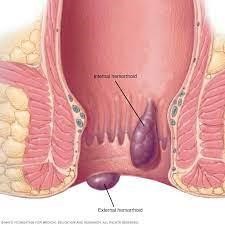
Explain the benefits of a high fibre diet is not correct response. While a high fibre diet can indeed be beneficial for individuals with haemorrhoids by promoting regular bowel movements and reducing strain during defecation, the immediate concern here is addressing the client's understanding about avoiding nuts and seeds. This information could be provided as a follow-up after confirming the client's understanding in response to option B.
Choice B
Confirm that these foods should be avoided is the correct response. In this situation, the nurse's first response should be to confirm the client's understanding and provide accurate information about the need to avoid certain foods. Nuts and seeds can be challenging to digest and may lead to irritation and inflammation in individuals with haemorrhoids. Confirming the client's understanding and providing guidance aligns with the nurse's role in patient education and care.
Choice C
Encourage soft foods such as yogurt is not the correct response. Encouraging soft foods like yogurt is a reasonable suggestion for someone with haemorrhoids, as soft foods are generally easier to digest and less likely to cause irritation. However, the client's statement was specifically about avoiding nuts and seeds. While this choice might be relevant, it doesn't directly address the client's statement.
Choice D
Suggest that the client also avoid fruit skins is not the correct response. This option is not directly related to the client's concern about nuts and seeds. Fruit skins generally contain dietary fibre, which can be beneficial for maintaining regular bowel movements. While some individuals might find that certain fruits with tough skins could exacerbate their haemorrhoid symptoms, this advice might be better suited for a separate discussion about dietary choices rather than as a direct response to the client's statement.
Correct Answer is B
Explanation
Choice A
Potatoes are incorrect. Potatoes are high in carbohydrates and can cause a rapid increase in blood sugar levels, so they are not the best choice for someone with diabetes trying to avoid refined sugars and carbs.
Choice B
Avocado is correct. Avocado is a good choice for someone with Type 2 diabetes who wants to avoid refined sugars and carbohydrates. Avocado is a healthy source of monounsaturated fats, fibre, and various vitamins and minerals. It has a low glycaemic index and doesn't significantly raise blood sugar levels, making it a suitable option for people with diabetes.
Choice C
Grapes is incorrect: Grapes are a fruit with natural sugars, and although they contain fibre, they can still cause spikes in blood sugar levels.
Choice D
Pretzels are incorrect. Pretzels are usually made from refined flour and are high in simple carbohydrates, causing rapid spikes in blood sugar levels. They are not a good choice for someone with diabetes aiming to avoid refined sugars and carbs.
Whether you are a student looking to ace your exams or a practicing nurse seeking to enhance your expertise , our nursing education contents will empower you with the confidence and competence to make a difference in the lives of patients and become a respected leader in the healthcare field.
Visit Naxlex, invest in your future and unlock endless possibilities with our unparalleled nursing education contents today