
A home health nurse is performing a fall risk assessment for an older adult client. Which of the following findings should the nurse identify as a potential fall risk in the home?
The client has electrical wires secured to baseboards.
The client wears rubber-sole shoes.
The client's visual acuity is 20/40.
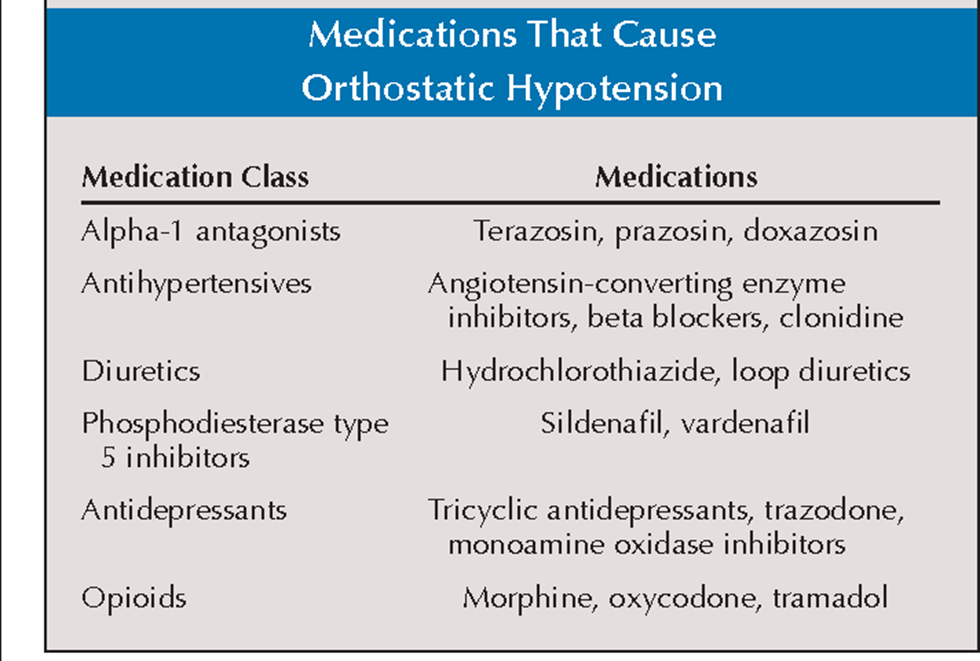
The client takes an antihypertensive medication.
The Correct Answer is D
A. Securing electrical wires reduces tripping hazards and promotes safety.
B. Rubber-sole shoes provide better traction and reduce the risk of slips and falls.
C. Reduced visual acuity increases the risk of falls but not as much as taking antihypertensives do.
D. Taking an antihypertensive medication can be a potential fall risk, because it can cause hypotension and dizziness.
Nursing Test Bank
Naxlex Comprehensive Predictor Exams
Related Questions
Correct Answer is B
Explanation
A. While decreased appetite may be concerning, it is not typically considered a priority over potential complications related to immobility.
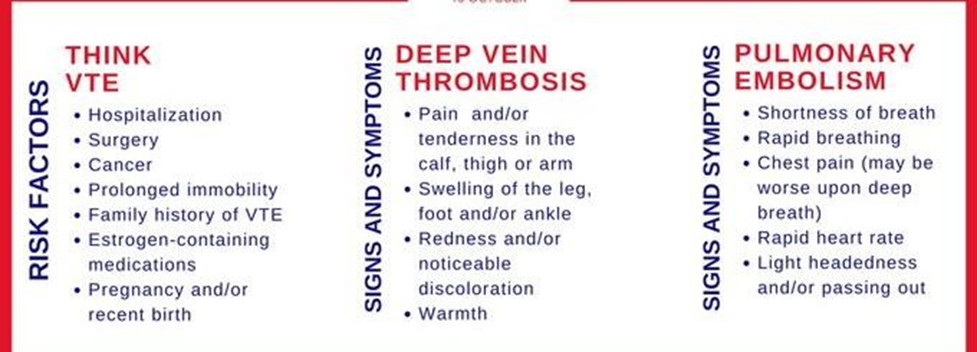
B. Left lower extremity tenderness could indicate deep vein thrombosis (DVT), a serious complication of prolonged bed rest that requires immediate attention to prevent pulmonary embolism.
C. Increased heart rate during physical activity may be expected after a period of bed rest and can be addressed with gradual reconditioning.
D. Musculoskeletal weakness is a common consequence of immobility and would be addressed as part of the client's rehabilitation but is not an immediate priority compared to potential complications like DVT.
Correct Answer is D
Explanation
A. With the Z-track method, the skin is pulled laterally or to the side before the needle is inserted and released after the injection is administered to ensure the medication remains within the muscle and does not leak into the subcutaneous tissue.
B. The angle of insertion for intramuscular injections can vary depending on factors such as the client's body habitus and the length of the needle but is typically 90 degrees.
C. The needle should be withdrawn slowly and steadily to minimize tissue trauma and prevent medication leakage.
D. The Z-track method involves pulling the skin laterally or to the side before inserting the needle to create a zigzag pathway for the medication. This helps seal the needle track after the injection, reducing the risk of medication leakage into subcutaneous tissues.

Whether you are a student looking to ace your exams or a practicing nurse seeking to enhance your expertise , our nursing education contents will empower you with the confidence and competence to make a difference in the lives of patients and become a respected leader in the healthcare field.
Visit Naxlex, invest in your future and unlock endless possibilities with our unparalleled nursing education contents today