
A community health nurse is working with a migrant population. The nurse should recognize that which of the following interventions is necessary to provide care to this population?
Providing health services at work sites
Treating clients on a fee-for-service basis
Offering health screenings at a community center
Requiring clients to show a work visa before they receive care
The Correct Answer is C
A. Migrant workers may face barriers such as irregular work hours, lack of transportation, or limited access to healthcare facilities. A community health nurse helps people in a local community however, they do not provide health services in private places like work sites.
B. Many migrant workers may have limited financial resources and may struggle with the cost of fee-for-service healthcare. This approach could create financial barriers and limit access to necessary health services for this population.
C. Community centers provide a central location where migrant workers and their families can access health screenings and other services. This approach is beneficial and accessible.
D. Requiring a work visa can exclude undocumented workers or those without proper documentation from receiving care. This requirement could prevent a significant portion of the migrant population from accessing necessary health services and does not align with the goal of providing inclusive and equitable healthcare.
Nursing Test Bank
Naxlex Comprehensive Predictor Exams
Related Questions
Correct Answer is C
Explanation
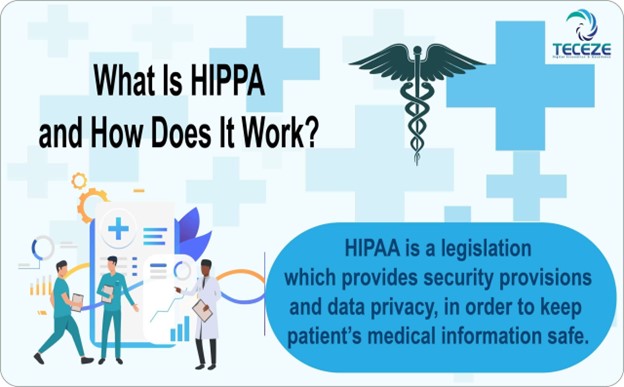
HIPAA (Health Insurance Portability and Accountability Act) is a federal law that mandates the privacy and security of a patient's medical records and personal health information. A newly licensed nurse must understand the HIPAA regulations to protect patient's confidentiality and avoid penalties for violating the law. HIPAA rules permit clients to access their medical records and receive copies of their medical information upon request. A client can request copies of medical records through a signed authorization form. HIPAA does not allow the sharing of a client's medical information with unauthorized personnel or third parties, including coworkers and supervisors. Therefore, it is essential to protect clients' medical information and keep computer passwords confidential.
Correct Answer is D
Explanation
The correct answer is choice D. Agricultural workers who are exposed to pesticides are at risk for dizziness, headache, nausea, and vomiting. Dizziness is a common acute effect of pesticide exposure. Hypoglycemia is not a common effect of pesticide exposure, although it can occur in some cases of organophosphate poisoning. Oliguria is a decrease in urine output, and diplopia is a condition where an individual experiences double vision, neither of which is commonly associated with acute pesticide exposure.
Whether you are a student looking to ace your exams or a practicing nurse seeking to enhance your expertise , our nursing education contents will empower you with the confidence and competence to make a difference in the lives of patients and become a respected leader in the healthcare field.
Visit Naxlex, invest in your future and unlock endless possibilities with our unparalleled nursing education contents today