
A client with chronic alcohol dependence is diagnosed with Wernicke-Korsakoff syndrome. The client is experiencing memory loss and confusion. Which medication should the nurse administer to help alleviate the client's symptoms?
Thiamine.
Chlordiazepoxide.
Clonidine.
Carbamazepine.
The Correct Answer is A
Choice A rationale: Thiamine (vitamin B1) is the appropriate medication for Wernicke Korsakoff syndrome, as it addresses thiamine deficiency associated with chronic alcohol use, which can contribute to neurological symptoms.
Choice B rationale: Chlordiazepoxide is a benzodiazepine used for alcohol withdrawal symptoms but does not address the underlying thiamine deficiency in Wernicke Korsakoff syndrome.
Choice C rationale: Clonidine is not indicated for the treatment of Wernicke-Korsakoff syndrome; it is primarily used for managing withdrawal symptoms in opioid or alcohol dependence.
Choice D rationale: Carbamazepine is not the appropriate medication for Wernicke Korsakoff syndrome; it is commonly used for mood stabilization in conditions like bipolar disorder.
Nursing Test Bank
Naxlex Comprehensive Predictor Exams
Related Questions
Correct Answer is C
Explanation
Choice A rationale: Fear of large dogs may or may not be related to schizophrenia; other information is needed to determine its significance.
Choice B rationale: Decreased attention to detail is a symptom that may be observed in schizophrenia, but it is not the primary behavior to notify the healthcare provider.
Choice C rationale: Social withdrawal is a concerning behavior in schizophrenia that may indicate worsening symptoms and should be reported to the healthcare provider.
Choice D rationale: Changes in appetite are important to monitor but may not be the primary indicator of a worsening condition in schizophrenia.
Correct Answer is ["A","C","E"]
Explanation
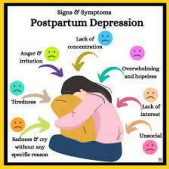
Choice A rationale: Disrupted sleep is a common symptom of postpartum depression, and clients may experience difficulty falling asleep or staying asleep.
Choice B rationale: Grandiosity is more indicative of bipolar disorder (mania) rather than postpartum depression.
Choice C rationale: Poor concentration is a common cognitive symptom associated with postpartum depression.
Choice D rationale: Compulsive behavior is not typically associated with postpartum depression.
Choice E rationale: Sadness is a hallmark symptom of depression, including postpartum depression.
Whether you are a student looking to ace your exams or a practicing nurse seeking to enhance your expertise , our nursing education contents will empower you with the confidence and competence to make a difference in the lives of patients and become a respected leader in the healthcare field.
Visit Naxlex, invest in your future and unlock endless possibilities with our unparalleled nursing education contents today