
A client with a total hip replacement is progressing well and expects to be discharged tomorrow. On returning to bed after ambulating, he complains of a new onset of pain at the surgical site. What is the nurse's best action?
Administer pain medication as ordered
Assess the client for signs and symptoms of systemic infection
Assess the surgical site and the affected extremity
Reassure the client that pain is a direct result of increased activity
Notify the surgeon immediately
The Correct Answer is C
Choice A reason: Administering pain medication as ordered is not the best action, as it does not address the cause of the new onset of pain. The nurse should first assess the client and the surgical site to rule out any complications or problems that may require immediate intervention.
Choice B reason: Assessing the client for signs and symptoms of systemic infection is not the best action, as it is not the most likely cause of the new onset of pain. Systemic infection would manifest with fever, chills, malaise, or leukocytosis, which are not mentioned in the scenario. The nurse should focus on the local signs and symptoms of the surgical site and the affected extremity.
Choice C reason: Assessing the surgical site and the affected extremity is the best action, as it allows the nurse to identify any potential complications or problems that may explain the new onset of pain. The nurse should look for signs of infection, inflammation, bleeding, hematoma, or dislocation of the hip prosthesis, such as redness, swelling, warmth, drainage, bruising, or deformity.
Choice D reason: Reassuring the client that pain is a direct result of increased activity is not the best action, as it may dismiss the client's concern and delay the detection of any serious complications or problems. The nurse should not assume that the pain is normal or expected, but rather investigate the cause and severity of the pain.
Choice E reason: Notifying the surgeon immediately is not the best action, as it is premature and unnecessary without first assessing the client and the surgical site. The nurse should gather relevant data and information before contacting the surgeon, unless there is an obvious or urgent problem that requires immediate attention.
Nursing Test Bank
Naxlex Comprehensive Predictor Exams
Related Questions
Correct Answer is D
Explanation
Choice A reason: Asking the client to describe the purpose of the medication is not enough to evaluate the teaching-learning process. The client may know the rationale for the medication, but not how to use it correctly.
Choice B reason: Assessing the client's respiratory status at the next scheduled visit is not enough to evaluate the teaching-learning process. The client may have improved or worsened respiratory status due to other factors, not necessarily related to the use of the bronchodilator.
Choice C reason: Asking the client if they understand how to use the bronchodilator is not enough to evaluate the teaching-learning process. The client may say they understand, but not demonstrate the correct technique.
Choice D reason: Directly observing the client using the inhaler to give themselves a dose is the best way to evaluate the teaching-learning process. The nurse can assess the client's ability to use the inhaler correctly, and provide feedback and reinforcement as needed.
Correct Answer is B
Explanation
Choice A reason: Heat rash is not an early sign of a fat embolus, as it is a skin condition that occurs when the sweat ducts are blocked and the sweat cannot evaporate. Heat rash is more common in hot and humid environments, and it causes red, itchy, or prickly bumps on the skin. Heat rash is not related to a fat embolus, which is a serious complication of a fracture that involves the release of fat droplets into the bloodstream.
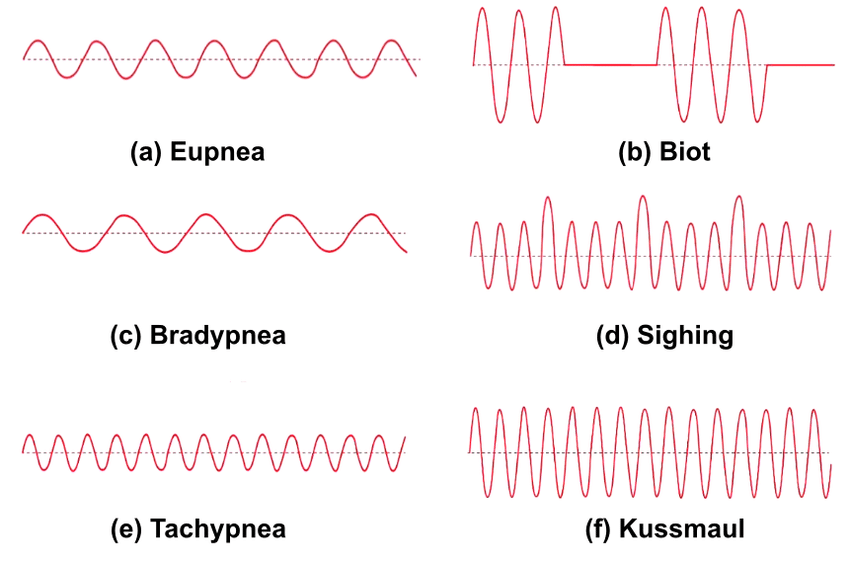
Choice B reason: Tachypnea is an early sign of a fat embolus, as it indicates a respiratory distress that may be caused by the fat droplets blocking the pulmonary capillaries. Tachypnea is a rapid breathing rate that exceeds 20 breaths per minute, and it may be accompanied by dyspnea, chest pain, cough, or hemoptysis. Tachypnea is a sign of hypoxemia, which is a low level of oxygen in the blood, and it requires immediate intervention.
Choice C reason: Bradycardia is not an early sign of a fat embolus, as it is a slow heart rate that is below 60 beats per minute. Bradycardia may be caused by various factors, such as medication, heart disease, hypothyroidism, or vagal stimulation. Bradycardia is not related to a fat embolus, which is a serious complication of a fracture that involves the release of fat droplets into the bloodstream.
Choice D reason: Abdominal cramping is not an early sign of a fat embolus, as it is a pain or discomfort in the abdomen that may be caused by various factors, such as food intolerance, infection, inflammation, or obstruction. Abdominal cramping is not related to a fat embolus, which is a serious complication of a fracture that involves the release of fat droplets into the bloodstream.
Choice E reason: Confusion is not an early sign of a fat embolus, but a late sign that may indicate a cerebral involvement of the fat embolus. Confusion is a state of impaired awareness, orientation, or memory that may be caused by various factors, such as medication, infection, trauma, or hypoxia. Confusion is a sign of cerebral hypoxia, which is a low level of oxygen in the brain, and it requires immediate intervention.
Whether you are a student looking to ace your exams or a practicing nurse seeking to enhance your expertise , our nursing education contents will empower you with the confidence and competence to make a difference in the lives of patients and become a respected leader in the healthcare field.
Visit Naxlex, invest in your future and unlock endless possibilities with our unparalleled nursing education contents today