
The nurse is assessing a group of clients. Which client is most at risk for developing osteoporosis?
Males with a cardiac history between the ages of 30 and 40 years old
Females with a history of diabetes and are between the ages of 20 and 30 years old
Males who have had a previous fracture
Females who have a history of estrogen deficiency and are post-menopausal
The Correct Answer is D
Choice A reason: Males with a cardiac history between the ages of 30 and 40 years old are not the most at risk for developing osteoporosis, as they have several protective factors, such as their gender, age, and hormone levels. Males have higher peak bone mass and lower bone loss rate than females, and they do not experience the rapid decline of estrogen that occurs after menopause. Cardiac history may affect the bone health indirectly, by limiting the physical activity or affecting the calcium absorption, but it is not a major risk factor.
Choice B reason: Females with a history of diabetes and are between the ages of 20 and 30 years old are not the most at risk for developing osteoporosis, as they have some protective factors, such as their age and hormone levels. Females in their reproductive years have higher estrogen levels than post-menopausal females, which helps to preserve the bone density and prevent the bone resorption. Diabetes may increase the risk of osteoporosis, by affecting the insulin, glucose, and inflammatory pathways, but it is not a definitive risk factor.
Choice C reason: Males who have had a previous fracture are not the most at risk for developing osteoporosis, as they have some protective factors, such as their gender and hormone levels. Males have higher peak bone mass and lower bone loss rate than females, and they do not experience the rapid decline of estrogen that occurs after menopause. A previous fracture may indicate a low bone density or a high fall risk, but it is not a conclusive risk factor.
Choice D reason: Females who have a history of estrogen deficiency and are post-menopausal are the most at risk for developing osteoporosis, as they have several risk factors, such as their gender, age, and hormone levels. Females have lower peak bone mass and higher bone loss rate than males, and they experience a significant drop of estrogen after menopause, which leads to increased bone resorption and decreased bone formation. Estrogen deficiency may also cause other symptoms, such as hot flashes, mood swings, or vaginal dryness, which may affect the quality of life and the bone health.
Nursing Test Bank
Naxlex Comprehensive Predictor Exams
Related Questions
Correct Answer is B
Explanation
Choice A reason: Pain management is an important goal for a client with osteoarthritis, but it is not the only one. The question asks for what goals the nurse should include, not what is the most essential or urgent goal.
Choice B reason: Improvement of joint mobility is a correct goal for a client with osteoarthritis, as it helps to prevent stiffness, contractures, and deformities of the affected joints. It also improves the client's function, quality of life, and independence.
Choice C reason: Client will recover from osteoarthritis within 6 months is not a realistic or attainable goal, as osteoarthritis is a chronic and progressive condition that has no cure. The nurse should focus on managing the symptoms and preventing complications, not on curing the disease.
Choice D reason: Weight loss promotion is a relevant goal for a client with osteoarthritis, especially if the client is obese, as it helps to reduce the stress and pressure on the weight-bearing joints. However, it is not a specific or measurable goal, as it does not indicate how much weight the client should lose or how the nurse will monitor the progress.
Choice E reason: The client will deny symptoms of osteoarthritis is not a desirable or appropriate goal, as it implies that the client is not honest or aware of their condition. The nurse should encourage the client to report any symptoms or changes in their joints, as it helps to assess the effectiveness of the treatment and to adjust the plan of care accordingly.
Correct Answer is B
Explanation
Choice A reason: Heat rash is not an early sign of a fat embolus, as it is a skin condition that occurs when the sweat ducts are blocked and the sweat cannot evaporate. Heat rash is more common in hot and humid environments, and it causes red, itchy, or prickly bumps on the skin. Heat rash is not related to a fat embolus, which is a serious complication of a fracture that involves the release of fat droplets into the bloodstream.
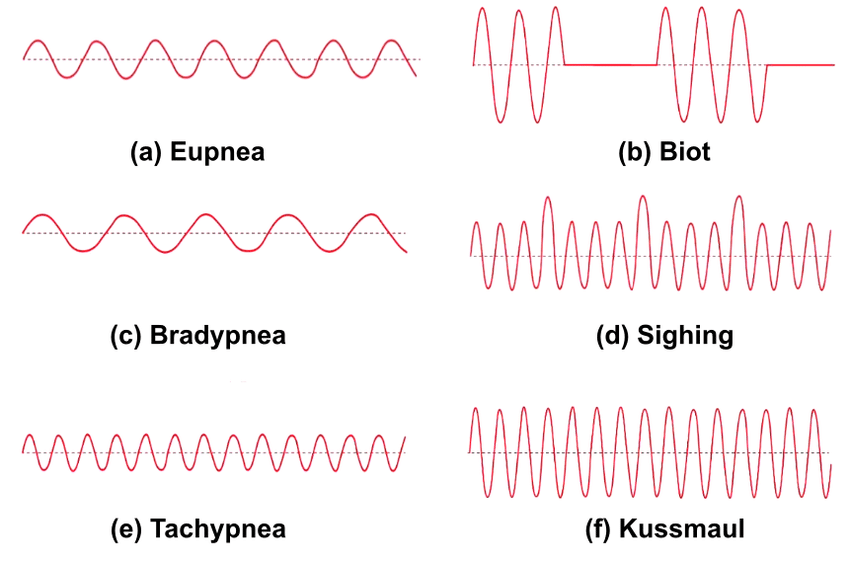
Choice B reason: Tachypnea is an early sign of a fat embolus, as it indicates a respiratory distress that may be caused by the fat droplets blocking the pulmonary capillaries. Tachypnea is a rapid breathing rate that exceeds 20 breaths per minute, and it may be accompanied by dyspnea, chest pain, cough, or hemoptysis. Tachypnea is a sign of hypoxemia, which is a low level of oxygen in the blood, and it requires immediate intervention.
Choice C reason: Bradycardia is not an early sign of a fat embolus, as it is a slow heart rate that is below 60 beats per minute. Bradycardia may be caused by various factors, such as medication, heart disease, hypothyroidism, or vagal stimulation. Bradycardia is not related to a fat embolus, which is a serious complication of a fracture that involves the release of fat droplets into the bloodstream.
Choice D reason: Abdominal cramping is not an early sign of a fat embolus, as it is a pain or discomfort in the abdomen that may be caused by various factors, such as food intolerance, infection, inflammation, or obstruction. Abdominal cramping is not related to a fat embolus, which is a serious complication of a fracture that involves the release of fat droplets into the bloodstream.
Choice E reason: Confusion is not an early sign of a fat embolus, but a late sign that may indicate a cerebral involvement of the fat embolus. Confusion is a state of impaired awareness, orientation, or memory that may be caused by various factors, such as medication, infection, trauma, or hypoxia. Confusion is a sign of cerebral hypoxia, which is a low level of oxygen in the brain, and it requires immediate intervention.
Whether you are a student looking to ace your exams or a practicing nurse seeking to enhance your expertise , our nursing education contents will empower you with the confidence and competence to make a difference in the lives of patients and become a respected leader in the healthcare field.
Visit Naxlex, invest in your future and unlock endless possibilities with our unparalleled nursing education contents today