
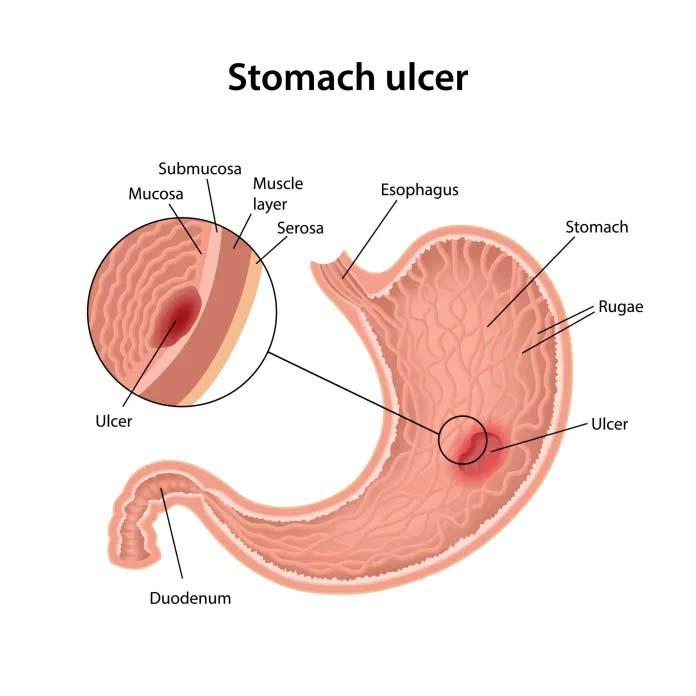
A client tells the nurse of concerns about possibly having a stomach ulcer because the client is experiencing heartburn and a dull gnawing pain that is relieved by eating. Which is the best response by the nurse?
Encourage the client to obtain a complete physical exam, as these symptoms are consistent with an ulcer.
Advise the client to seek immediate medical evaluation and treatment for these symptoms.
Instruct the client that these mild symptoms can generally be controlled with changes in the diet.
Assure the client that the symptoms may only reflect reflux, since ulcer pain is not relieved by food.
The Correct Answer is A
Choice A reason: Symptoms of heartburn and pain relieved by eating can indeed be consistent with an ulcer, and a complete physical exam can help diagnose the condition and rule out other causes.
Choice B reason: While immediate medical evaluation is important, it is not specified that the symptoms are severe or life-threatening, so it may not be the best initial advice.
Choice C reason: Diet changes can help manage symptoms of heartburn and indigestion, but they may not be sufficient if an ulcer is present.
Choice D reason: It is incorrect to assure the client that the symptoms are only reflux, as ulcer pain can indeed be relieved by food, contrary to the statement.
Nursing Test Bank
Naxlex Comprehensive Predictor Exams
Related Questions
Correct Answer is B
Explanation
Choice A reason: Measuring urinary output is important for monitoring renal function, especially when using medications like morphine, but it is not the most critical intervention in this context.
Choice B reason: Administering the oral analgesic before discontinuing the PCA allows for the medication to take effect, preventing breakthrough pain and addressing the client's fear of pain.
Choice C reason: Monitoring for a depressed respiratory rate is crucial when a patient is on morphine, but the priority is to manage pain effectively as the client transitions to oral analgesics.
Choice D reason: Education on dietary needs is important for long-term recovery, but immediate pain management is a higher priority in the postoperative period.
Correct Answer is ["A","B","D","F"]
Explanation
Choice A Reason: Weight reduction treatment is a modifiable risk factor for prediabetes. Losing a small amount of weight, around 5% to 7% of body weight, can significantly lower the risk of developing type 2 diabetes. For a 200-pound person, this means losing about 10 to 14 pounds.
Choice B Reason: Exercise planning is crucial as it helps improve insulin sensitivity and glucose metabolism. The recommendation is at least 150 minutes per week of moderate-intensity physical activity, such as brisk walking or light cycling.
Choice C Reason: Long-acting insulin is not typically used in the management of prediabetes. Insulin therapy is more commonly a part of the treatment regimen for individuals with type 1 diabetes or those with type 2 diabetes who cannot control their blood glucose levels with oral medications.
Choice D Reason: Nutrition education is essential for managing prediabetes. A diet rich in fiber, whole grains, and non-starchy vegetables, and low in added sugars and saturated fats, can help manage blood glucose levels3.
Choice E Reason: Extra carbohydrates are not recommended for prediabetes management as they can lead to increased blood glucose levels. Instead, a balanced diet with controlled carbohydrate intake is advised.
Choice F Reason: Oral antidiabetic medications, such as metformin, may be prescribed to help lower blood glucose levels and improve insulin sensitivity in individuals with prediabetes.
Choice G Reason: Short-acting insulin is not indicated for prediabetes management for the same reasons as long-acting insulin; it is not typically part of the treatment regimen unless the individual has progressed to type 2 diabetes and requires insulin therapy.
Whether you are a student looking to ace your exams or a practicing nurse seeking to enhance your expertise , our nursing education contents will empower you with the confidence and competence to make a difference in the lives of patients and become a respected leader in the healthcare field.
Visit Naxlex, invest in your future and unlock endless possibilities with our unparalleled nursing education contents today