
A client is receiving intravenous (1V) vancomycin and the nurse plans to draw blood for a peak a. trough to determine the serum level of the drug. Which collection times provide the best determination of these levels?
Thirty minutes into the administration of the IV dose and 30 minutes before the next administration of the medication.
Two hours after completion of the IV dose 2nd 00 0000 before the next administration of the medication.
One how after completion of the IV dose and one hour before the next administration oldie medication.
Immediately after completion of the IV dose and 30 minutes before the next administration of the medication.
The Correct Answer is D
A. Thirty minutes into the administration of the IV dose and 30 minutes before the next administration of the medication:
This timing doesn't align with the standard practice of drawing peak levels immediately after the IV dose is completed.
The trough level should be taken just before the next dose, not 30 minutes before.
B. Two hours after completion of the IV dose and 1 hour before the next administration of the medication:
Waiting for two hours after the dose to draw the peak level is too long. Peak levels are typically drawn immediately after completion.
Drawing the trough level one hour before the next dose doesn't provide an accurate assessment of the lowest drug concentration just before the next administration.
C. One hour after completion of the IV dose and one hour before the next administration of the medication:
Similar to choice B, waiting one hour after the dose to draw the peak level is not in line with standard practice.
Drawing the trough level one hour before the next dose is administered is too early to accurately represent the lowest concentration.
The best collection times for determining the peak and trough levels of intravenous (IV) vancomycin are:
D. Immediately after completion of the IV dose and 30 minutes before the next administration of the medication.
Explanation:
Peak Level: Peak levels of vancomycin are drawn immediately after the completion of the IV dose. This is done to assess the highest concentration of the drug in the bloodstream, which is important for ensuring its therapeutic efficacy and monitoring for potential toxicity.
Trough Level: Trough levels are drawn just before the next dose is administered. A trough level represents the lowest concentration of the drug in the bloodstream, ensuring that the drug is still present at a therapeutic level before the next dose is given. Taking the trough level 30 minutes before the next administration is appropriate, as it allows time for the drug to reach its lowest concentration before receiving the next dose.
Nursing Test Bank
Naxlex Comprehensive Predictor Exams
Related Questions
Correct Answer is A
Explanation
A. Muscle tenderness.
Explanation: An increased serum creatine phosphokinase (CK) level can indicate muscle damage, which is a potential side effect of statin medications like atorvastatin. The most common symptom associated with this muscle damage is muscle tenderness, often accompanied by muscle pain or weakness. It's important to assess the client for any signs of muscle problems, as this can be a serious side effect that requires medical attention, and the medication may need to be adjusted or discontinued.
Why the other choices are less relevant:
B. Peripheral edema:
Peripheral edema (swelling of the extremities) is not a typical symptom of muscle damage associated with statin use. It is more commonly associated with other cardiovascular or renal conditions.
C. Excessive bruising:
Excessive bruising is not a typical symptom of muscle damage related to statin use. It is more commonly associated with bleeding disorders or certain medications, such as anticoagulants.
D. Nausea and vomiting:
Nausea and vomiting are not typical symptoms of muscle damage associated with statin use. They are more commonly associated with gastrointestinal side effects or other unrelated issues.
Correct Answer is D
Explanation
A. Obtain daily weights:
Daily weights are more relevant for monitoring fluid balance and assessing for edema, which is not a common adverse reaction to tamsulosin.
B. Perform a bladder scan:
Bladder scans may be used to assess for urinary retention or post-void residual urine, but this is not a primary intervention to monitor for adverse reactions to tamsulosin.
C. Assess urine output:
Monitoring urine output is important to assess for urinary retention or changes in urinary function, but it is not the primary intervention for monitoring adverse reactions to tamsulosin.
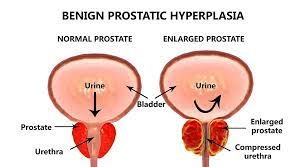
When a client with benign prostatic hyperplasia (BPH) receives a new prescription for tamsulosin, the nurse should perform the following intervention to monitor for an adverse reaction:
D. Monitor blood pressure.
Explanation: Tamsulosin is an alpha-blocker medication used to relax the smooth muscle in the prostate and bladder neck, thereby improving urinary flow in clients with BPH. However, a potential side effect of alpha-blockers, including tamsulosin, is orthostatic hypotension, which can lead to a sudden drop in blood pressure upon standing. Therefore, monitoring the client's blood pressure is essential to assess for any significant decreases that could result from this medication. Clients should be advised to rise slowly from a sitting or lying position to minimize the risk of orthostatic hypotension.
Whether you are a student looking to ace your exams or a practicing nurse seeking to enhance your expertise , our nursing education contents will empower you with the confidence and competence to make a difference in the lives of patients and become a respected leader in the healthcare field.
Visit Naxlex, invest in your future and unlock endless possibilities with our unparalleled nursing education contents today