
A client has a serum sodium level of 155 mEq/L (155 mmol/L). The nurse should encourage the client to make which selection from the lunch menu? Reference Range
Sodium [Reference Range: Adult 136 to 145 mEq/L or 136 to 145 mmol/L]
Canned cream of mushroom soup, tuna salad, and water.
Bacon. lettuce, and tomato sandwich, grapes, and skim milk.
Taco salad, refried beans, low fat ice cream and coffee.
Chicken salad on toast, fruit-flavoured yogurt, and iced tea.
The Correct Answer is B
Choice A
Canned cream of mushroom soup, tuna salad, and water is inappropriate. Canned soups and processed foods like canned cream soups can be high in sodium. Tuna salad might also have added salt.
Choice B
B. Bacon, lettuce, and tomato sandwich, grapes, and skim milk is the appropriate selection. A serum sodium level of 155 mEq/L (155 mmol/L) is higher than the normal reference range (136 to 145 mEq/L or 136 to 145 mmol/L), indicating hypernatremia or high blood sodium levels. In this case, it's important for the client to choose foods that are lower in sodium to help manage their sodium intake.
Choice C
Taco salad, refried beans, low-fat ice cream, and coffee is inappropriate. Taco salad can contain salty ingredients, and refried beans can also be high in sodium. Processed meats and sauces used in tacos can contribute to sodium intake.
Choice D
Chicken salad on toast, fruit-flavoured yogurt, and iced tea is inappropriate. Chicken salad and some breads might contain added salt. Fruit-flavoured yogurts can also have added sugars, and iced tea can vary in sodium content depending on how it's prepared.
Nursing Test Bank
Naxlex Comprehensive Predictor Exams
Related Questions
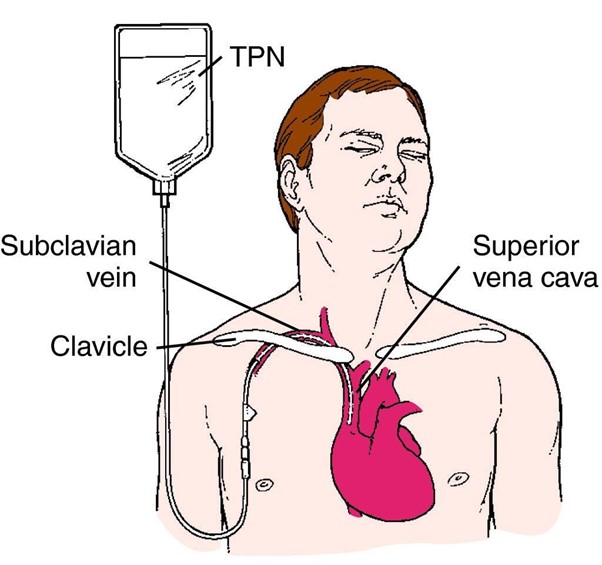
Correct Answer is ["A","B","C","E"]
Explanation
Choice A
Generalized nonpitting edema is correct. Nonpitting edema could indicate fluid retention, and it's important to assess for signs of fluid overload, electrolyte imbalances, or underlying cardiac issues.
Choice B
Hypoactive bowel sounds in all 4 quadrants is correct. Hypoactive bowel sounds could suggest gastrointestinal motility issues, which could be a sign of gastrointestinal complications related to TPN.
Choice C
Redness at intravenous site is correct. Redness at the intravenous site could be indicative of infection, infiltration, or irritation. It's important to assess for signs of infection and ensure proper IV site care.
Choice D
Urinary output greater than 30 ml per hour is incorrect. While increased urinary output could indicate adequate hydration, it's not typically a concerning finding unless there are other signs of fluid imbalance. Top of Form
Choice E
Frequent productive cough is correct. A frequent productive cough could indicate respiratory issues, including aspiration pneumonia, which can be a complication of TPN.
Correct Answer is A
Explanation
Choice A
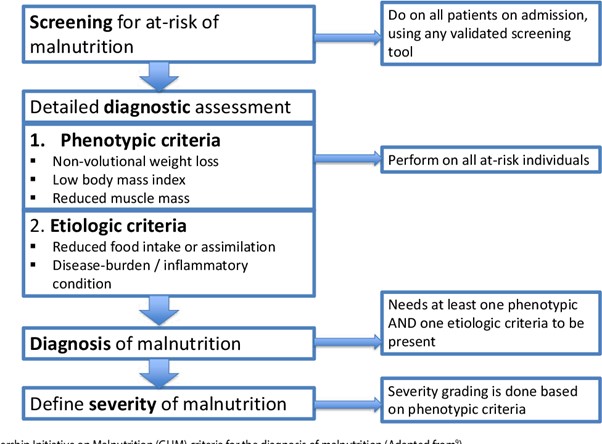
Body mass index (BMI) of 17 is the correct finding. A low Body Mass Index (BMI) is a common indicator of malnutrition. BMI is a measurement that considers a person's weight in relation to their height. A BMI of 17 suggests that the person is underweight, which can be indicative of malnutrition. Malnutrition is characterized by inadequate intake of calories, protein, vitamins, and minerals that are essential for maintaining health and well-being.
Choice B
Decrease in appetite is not correct finding. While a decrease in appetite might contribute to malnutrition, it's a symptom rather than a definitive indicator.
Choice C
Dry mucosal membranes are not the correct finding. Dry mucosal membranes can be related to dehydration or other conditions, but they are not specific enough to confirm malnutrition on their own.
Choice D
Weight of 227 pounds (103 kg) is not the correct finding. This weight is not necessarily indicative of malnutrition on its own. It's important to consider the individual's height, BMI, and other factors when assessing malnutrition.
Whether you are a student looking to ace your exams or a practicing nurse seeking to enhance your expertise , our nursing education contents will empower you with the confidence and competence to make a difference in the lives of patients and become a respected leader in the healthcare field.
Visit Naxlex, invest in your future and unlock endless possibilities with our unparalleled nursing education contents today