
A client diagnosed with schizophrenia states, Can't you hear him? Its the devil. He's telling me I'm going to hell. Which is the most appropriate nursing reply?
Did you take your medicine this morning?
i'm sure the voices sound scary, I don't hear any voices speaking
The devil only talks to people who are receptive to his influence
You are not going to hell. You are a good person
The Correct Answer is B
A. "Did you take your medicine this morning?": While medication adherence is important, this response does not directly address the client's distress or validate their experience. It may come across as dismissive.
B. "I'm sure the voices sound scary, I don't hear any voices speaking.": This response acknowledges the client's experience without confirming or denying the presence of the voices. It expresses empathy and provides reassurance, fostering a therapeutic relationship.
C. "The devil only talks to people who are receptive to his influence": This response introduces a belief system that may not align with the client's reality and could be perceived as judgmental. It's important to avoid imposing personal beliefs on clients experiencing hallucinations.
D. "You are not going to hell. You are a good person": While expressing support and reassurance is positive, making definitive statements about the client's fate or goodness may not be helpful. It's more effective to acknowledge the distress without making absolute affirmations.
Nursing Test Bank
Naxlex Comprehensive Predictor Exams
Related Questions
Correct Answer is C
Explanation
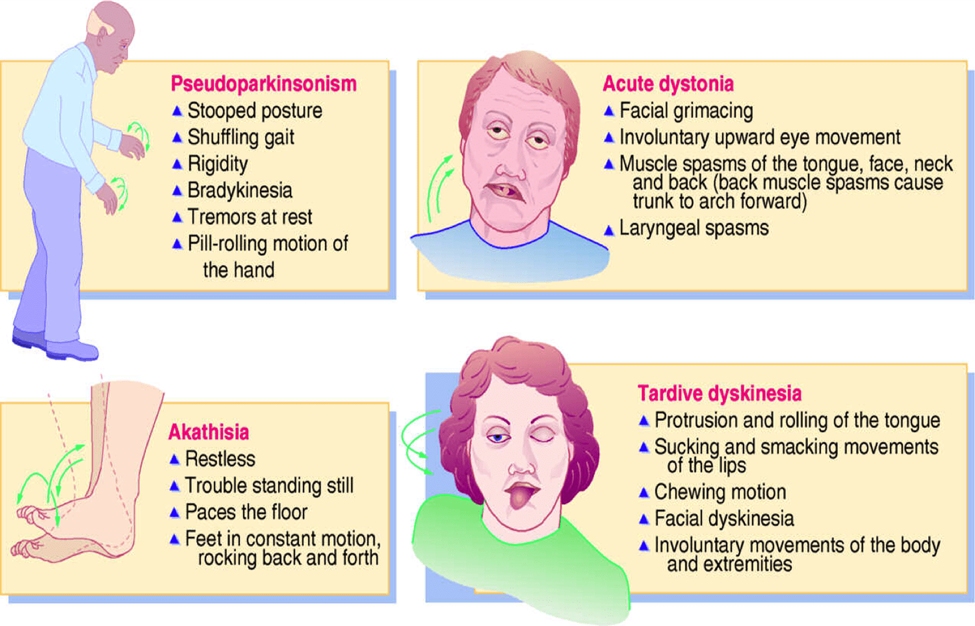
A. Neuroleptic malignant syndrome, treated by discontinuing antipsychotic medications: The symptoms described (uncontrollable tongue movements, stiff neck, difficulty swallowing) are more indicative of tardive dyskinesia than neuroleptic malignant syndrome. Neuroleptic malignant syndrome is characterized by hyperthermia, autonomic dysregulation, altered mental status, and generalized muscle rigidity. Treatment involves discontinuing antipsychotic medications and supportive care.
B. Agranulocytosis treated by administration of clozapine (Clozaril): Agranulocytosis is a rare but serious side effect of clozapine, not a treatment for the symptoms described. The symptoms presented are more consistent with tardive dyskinesia.
C. Tardive dyskinesia treated by discontinuing antipsychotic medication: This is the correct answer. Tardive dyskinesia is a movement disorder characterized by involuntary and abnormal movements, including tongue protrusion and facial grimacing. It can result from long-term use of antipsychotic medications, and discontinuing or reducing the dose of the antipsychotic is a primary intervention.
D. Headache treated by administration of Hydrochlorothiazide: Hydrochlorothiazide is a diuretic used to treat conditions like high blood pressure and edema, not headache or the symptoms described, which are more indicative of tardive dyskinesia.
Correct Answer is D
Explanation
A. Risperidone (Risperdal):
Risperidone is an atypical antipsychotic and generally has a lower propensity for causing anticholinergic side effects compared to typical antipsychotics.
B. Lithium (Lithobid):
Lithium is a mood stabilizer used primarily for bipolar disorder and does not typically cause anticholinergic side effects.
C. Buspirone (Buspar):
Buspirone is an anxiolytic medication and does not have significant anticholinergic properties. It tends to have fewer side effects compared to other medications used for anxiety.
D. Fluphenazine (Prolixin):
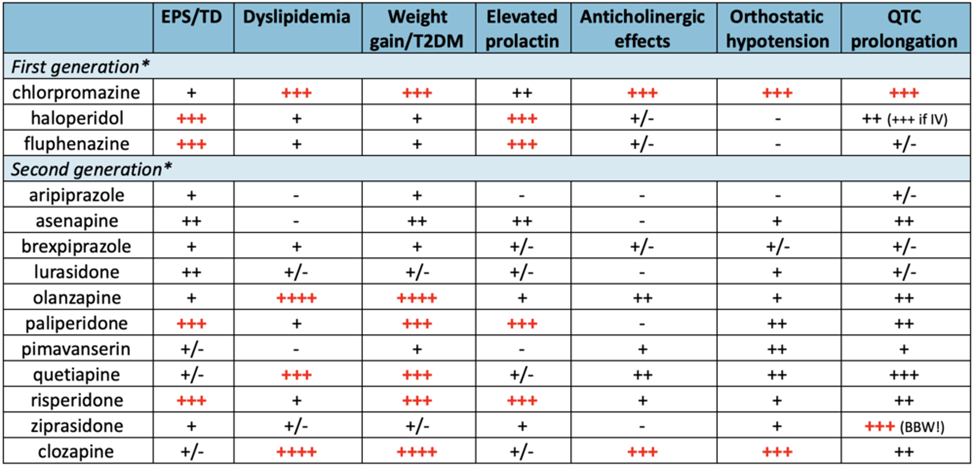
Fluphenazine is a typical antipsychotic medication and belongs to the phenothiazine class, which is known to have notable anticholinergic effects. These effects can include dry mouth, constipation, blurred vision, urinary retention, and cognitive impairment.
Whether you are a student looking to ace your exams or a practicing nurse seeking to enhance your expertise , our nursing education contents will empower you with the confidence and competence to make a difference in the lives of patients and become a respected leader in the healthcare field.
Visit Naxlex, invest in your future and unlock endless possibilities with our unparalleled nursing education contents today