
A client diagnosed with borderline personality disorder is admitted to a psychiatric unit. Which behavior pattern would the nurse expect to observe?
Social isolation
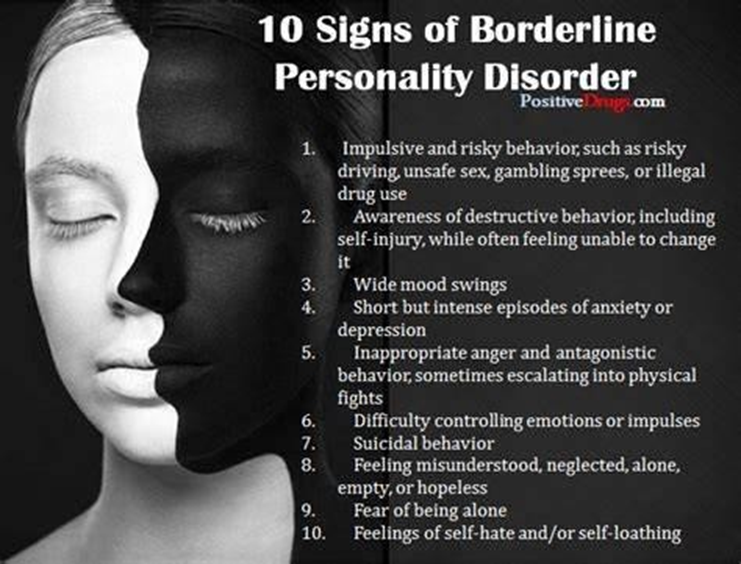
Generates conflict among the staff
Suspiciousness of others
Bizarre speech patterns
The Correct Answer is B
B. Individuals with borderline personality disorder may exhibit behavior that generates conflict among staff members or within their interpersonal relationships. They may have difficulty regulating emotions, experience intense mood swings, and engage in impulsive or manipulative behaviors that contribute to conflicts with others.
A. Individuals with borderline personality disorder often struggle with interpersonal relationships and may have difficulty maintaining stable and healthy connections with others.
C. Suspiciousness of others is not a primary characteristic of borderline personality disorder.
D. Bizarre speech patterns are not typically associated with borderline personality disorder.
Nursing Test Bank
Naxlex Comprehensive Predictor Exams
Related Questions
Correct Answer is ["B","C","D"]
Explanation
B. Knowing whether they have sought treatment previously can help in understanding their treatment history, what interventions have been tried, and their level of engagement with treatment services. It can also indicate whether they might benefit from continuing with previous successful interventions or trying new approaches.
C. This information provides crucial information about the client's current alcohol use and potential withdrawal risks. Understanding when the client last consumed alcohol helps in assessing the severity of their alcohol dependence, the potential for withdrawal symptoms, and the urgency of intervention.
D. Understanding the client's coping skills helps in developing a comprehensive treatment plan tailored to their needs. Clients with effective coping skills may have a better prognosis and be more receptive to certain treatment approaches, while those lacking coping skills may require additional support and skill- building interventions.
A. Track marks typically refer to visible signs of intravenous drug use, often associated with substances like heroin. While individuals with alcoholism may have comorbid substance use disorders, track marks specifically indicate a history of intravenous drug use, not alcoholism.
Correct Answer is B
Explanation
B. It's essential for the client to receive accurate information about their safety, efficacy, and potential interactions with other medications. Health food store employees may not always have the necessary expertise to provide comprehensive information on these aspects.
A. Yoga can indeed improve flexibility and balance, which can be beneficial for individuals with osteoarthritis. Therefore, this choice does not indicate a need for client teaching.
C. Glucosamine helps with pain control and bone remodeling to improve overall functionality.
D. Prayer and spirituality can provide emotional support and improve overall well-being, they may not directly address the underlying physical symptoms of osteoarthritis. This may indicate a need for client teaching, as it may reflect the client's personal beliefs and coping strategies.
Whether you are a student looking to ace your exams or a practicing nurse seeking to enhance your expertise , our nursing education contents will empower you with the confidence and competence to make a difference in the lives of patients and become a respected leader in the healthcare field.
Visit Naxlex, invest in your future and unlock endless possibilities with our unparalleled nursing education contents today