
A 55-year-old patient with end-stage kidney disease (ESKD) is scheduled to receive a prescribed dose of epoetin alfa (Procrit). Which statement should the nurse include in her teaching about this medication?
"This medication will need to be stored at room temperature."
"This medication is being given because your kidneys are not properly producing erythropoietin."
"This medication will delay your need for dialysis as long as you take it."
"This medication will help prevent your AV fistula from clotting."
The Correct Answer is B
Choice A rationale
Storing the medication at room temperature is a practical instruction but does not explain the therapeutic purpose of the medication, which is essential for patient understanding.
Choice B rationale
Epoetin alfa (Procrit) is used to treat anemia associated with chronic kidney disease by supplementing erythropoietin, a hormone the damaged kidneys can no longer produce effectively. This is the most informative statement for the patient's understanding of the medication's purpose.
Choice C rationale
While epoetin alfa can improve anemia and potentially improve quality of life, it does not directly delay the need for dialysis, which is determined by overall kidney function and not solely by the presence of anemia.
Choice D rationale
Epoetin alfa does not have a role in preventing AV fistula clotting. It is specifically used to stimulate red blood cell production and has no direct effect on clotting mechanisms.
Nursing Test Bank
Naxlex Comprehensive Predictor Exams
Related Questions
Correct Answer is C
Explanation
Choice A rationale
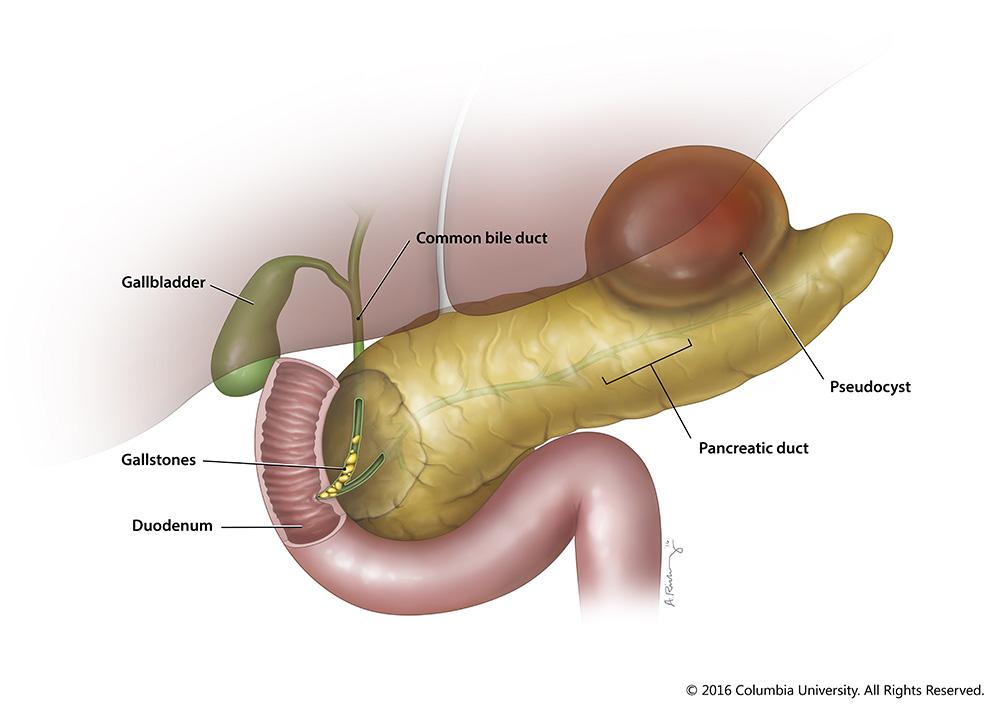
Congestive heart failure is not directly associated with an increased risk of developing acute pancreatitis. While it can contribute to overall health deterioration, it does not cause the condition.
Choice B rationale
Emphysema primarily affects the lungs and does not increase the risk of acute pancreatitis. It is a chronic obstructive pulmonary disease and is unrelated to pancreatic function.
Choice C rationale
Alcohol abuse is a well-known risk factor for acute pancreatitis. It can lead to repeated episodes of inflammation in the pancreas, which can eventually become chronic and lead to acute pancreatitis.
Choice D rationale
Diabetes mellitus is a result of chronic pancreatitis or can be a comorbidity, but it is not a direct cause of acute pancreatitis. However, it can be associated with complications related to the pancreas.
Correct Answer is B
Explanation
Choice A reason: An increasing hemoglobin level does not indicate the resolution of acute pancreatitis. Hemoglobin levels can fluctuate due to various factors, including hydration status and blood loss, but are not directly related to the resolution of pancreatitis.
Choice B reason:A decreasing serum amylase level is indicative of the resolution of acute pancreatitis. Amylase is an enzyme that helps digest carbohydrates and is released in large amounts when the pancreas is inflamed. As the inflammation resolves, amylase levels decrease.
Choice C reason: A falling serum bilirubin level may indicate improvement in liver function but is not a specific indicator of the resolution of acute pancreatitis. Bilirubin levels can be affected by conditions other than pancreatitis, such as bile duct obstruction or liver disease.
Choice D reason:An increasing serum alkaline phosphatase level is generally associated with bile duct obstruction or bone disease and does not indicate the resolution of acute pancreatitis. This enzyme is found in several tissues throughout the body, including the liver and bones.
Whether you are a student looking to ace your exams or a practicing nurse seeking to enhance your expertise , our nursing education contents will empower you with the confidence and competence to make a difference in the lives of patients and become a respected leader in the healthcare field.
Visit Naxlex, invest in your future and unlock endless possibilities with our unparalleled nursing education contents today