
Which type of cell death causes the least damage to cells that are nearby?
Atrophy
Apoptosis
Necrosis
Lysis
The Correct Answer is B
Choice A Reason:
Atrophy refers to the reduction in size or wasting away of an organ or tissue due to a decrease in cell size or number. It is not a type of cell death but rather a process of cell shrinkage and loss of function. Therefore, it does not directly relate to the damage caused to nearby cells.
Choice B Reason:
This is the correct answer. Apoptosis is a form of programmed cell death that occurs in a controlled and regulated manner. It allows for the removal of damaged or unnecessary cells without causing an inflammatory response or damage to surrounding tissues. During apoptosis, cellular components are neatly packaged into vesicles called apoptotic bodies, which are then phagocytosed by neighboring cells or immune cells, preventing the release of harmful substances.
Choice C Reason:
Necrosis is a form of traumatic cell death that results from acute cellular injury. It often leads to the uncontrolled release of cellular contents, causing inflammation and damage to surrounding tissues. This process can be detrimental to nearby cells and is generally considered more harmful than apoptosis.
Choice D Reason:
Lysis refers to the breaking down or destruction of cells, often due to external factors such as toxins, infections, or immune responses. Like necrosis, lysis can result in the release of cellular contents into the surrounding environment, leading to inflammation and damage to nearby cells.
Nursing Test Bank
Naxlex Comprehensive Predictor Exams
Related Questions
Correct Answer is C
Explanation
Choice A Reason:
Boxed warnings, also known as black box warnings, are the strictest warnings put in the labeling of prescription drugs by the FDA when there is reasonable evidence of an association of a serious hazard with the drug. However, they do not necessarily indicate that a drug should only be given in life-threatening circumstances. Instead, they highlight the potential for serious or life-threatening risks and advise on how to use the drug safely.
Choice B Reason:
While some boxed warnings may include information about teratogenic effects (effects that can cause birth defects), this is not their primary purpose. Boxed warnings are broader and can apply to various serious risks, not just teratogenicity. Therefore, this choice is too narrow to be correct.
Choice C Reason:
This is the correct answer. Boxed warnings are designed to alert prescribers to serious or life-threatening risks associated with a drug and provide guidance on how to mitigate these risks. This can include recommendations for monitoring, dosage adjustments, or avoiding certain populations. The goal is to ensure that prescribers are fully aware of the risks and can take appropriate measures to minimize harm to patients.
Choice D Reason:
Boxed warnings do not typically provide information about antidotes for toxicity. While managing toxicity is an important aspect of drug safety, boxed warnings focus on alerting prescribers to serious risks and how to mitigate them, rather than detailing specific antidotes.
Correct Answer is D
Explanation
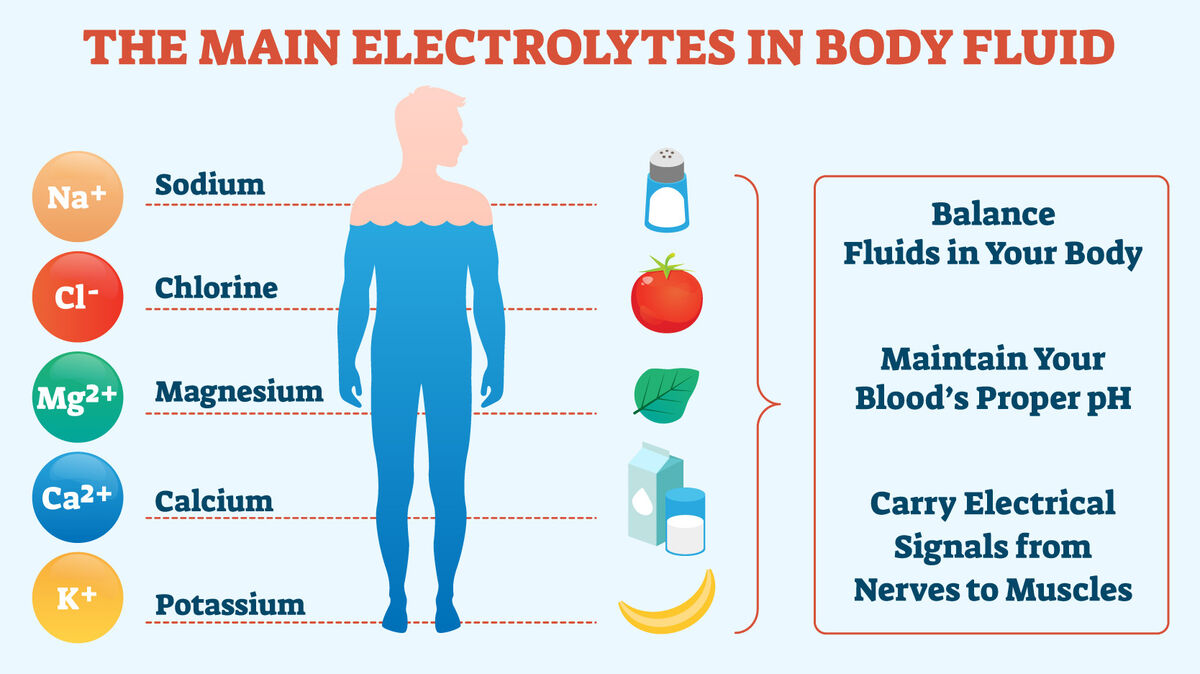
Choice A: Calcium
Calcium plays a crucial role in various physiological processes, including muscle contraction, blood clotting, and nerve transmission. While calcium is essential for maintaining overall health, it is not directly associated with changes in blood pH. Calcium levels are tightly regulated by hormones such as parathyroid hormone (PTH) and calcitonin, but these do not significantly influence blood pH.
Choice B: Sodium
Sodium is a major extracellular electrolyte that helps regulate fluid balance, nerve function, and muscle contraction. Although sodium is vital for maintaining osmotic balance and blood pressure, it does not directly affect blood pH. Sodium levels are primarily controlled by the kidneys and hormones like aldosterone, which do not have a direct impact on the acid-base balance of the blood.
Choice C: Magnesium
Magnesium is involved in over 300 biochemical reactions in the body, including protein synthesis, muscle and nerve function, and blood glucose control. While magnesium is important for overall health, it does not have a direct role in altering blood pH. Magnesium levels are regulated by the kidneys and are essential for maintaining normal muscle and nerve function, but they do not directly influence the acid-base balance.
Choice D: Potassium
Potassium is a key intracellular electrolyte that plays a significant role in maintaining the acid-base balance of the blood. Changes in potassium levels can affect the pH of the blood. For example, hyperkalemia (high potassium levels) can lead to acidosis, while hypokalemia (low potassium levels) can lead to alkalosis. Potassium helps regulate the hydrogen ion concentration in the blood, which directly impacts the pH. Therefore, potassium is the electrolyte most closely associated with changes in blood pH.
Whether you are a student looking to ace your exams or a practicing nurse seeking to enhance your expertise , our nursing education contents will empower you with the confidence and competence to make a difference in the lives of patients and become a respected leader in the healthcare field.
Visit Naxlex, invest in your future and unlock endless possibilities with our unparalleled nursing education contents today