
Which of the following would be considered an abnormal finding and require prompt follow up when auscultating breath sounds?
Vesicular sounds at the apex of the lungs.
Wheezes on inspiration.
Vesicular sounds at the base of the lungs on the posterior chest
Rhonchi that disappear with coughing.
The Correct Answer is B
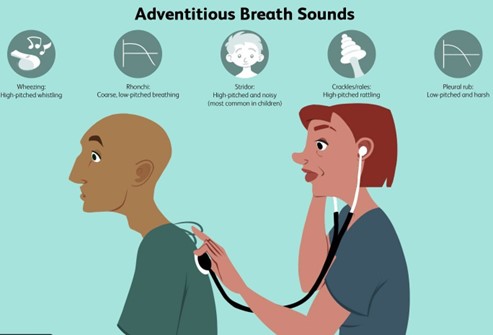
Auscultating breath sounds is an essential component of a respiratory assessment. The following breath sounds can be heard during auscultation: Vesicular, Bronchial, Bronchovesicular, Crackles, Wheezes, and Rhonchi.
Vesicular sounds at the apex of the lungs (a) and vesicular sounds at the base of the lungs on the posterior chest (c) are normal findings. Vesicular sounds are soft and low-pitched, heard during inspiration, and are indicative of air moving through small airways and alveoli. The vesicular sounds are louder at the base of the lungs, where there is more alveolar tissue.
Rhonchi that disappear with coughing (d) can be normal or abnormal findings. Rhonchi are low-pitched, continuous sounds that are heard during inspiration and expiration. They are produced by the movement of air through narrowed or obstructed airways. If the rhonchi disappear with coughing, it may indicate that the airway has cleared.
Wheezes on inspiration (b) are abnormal findings and require prompt follow-up. Wheezes are high-pitched, whistling sounds heard during inspiration and expiration. They are indicative of air moving through narrowed airways and can be a sign of an underlying respiratory condition such as asthma, chronic obstructive pulmonary disease (COPD), or bronchitis. Prompt follow-up is necessary to diagnose and manage the underlying condition.
Nursing Test Bank
Naxlex Comprehensive Predictor Exams
Related Questions
Correct Answer is B
Explanation
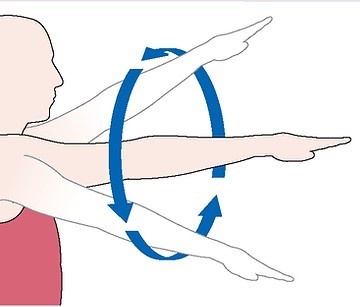
Circumduction is a movement that involves the circular rotation of a limb, such as an arm or leg, around a fixed point. When assessing the patient's range of motion, the nurse may ask the patient to perform circumduction of their arms to evaluate their ability to move their arms in a circular motion.
Correct Answer is ["A","B"]
Explanation
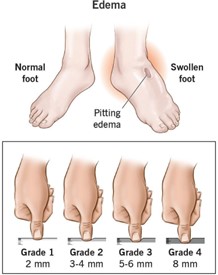
When checking for edema in the lower extremities of a patient with Congestive heart failure, the nurse will grade the edema on a scale of +1 to +4 and press the skin over the tibia. Plantar flexing the feet is not necessary for assessing edema in the lower extremities, and checking only one limb is not sufficient as edema may occur in both legs.
Whether you are a student looking to ace your exams or a practicing nurse seeking to enhance your expertise , our nursing education contents will empower you with the confidence and competence to make a difference in the lives of patients and become a respected leader in the healthcare field.
Visit Naxlex, invest in your future and unlock endless possibilities with our unparalleled nursing education contents today