
Which of the following statements by the nurse demonstrates a primary prevention strategy for skin cancer?
"Use acetaminophen as needed for sunburn."
"Avoid direct sunlight between 10 am and 4 pm."
"Ensure you have a yearly skin examination with your provider."
"Apply cool tap water soaks for 20 minutes to relieve sunburn."
The Correct Answer is B
The correct answer is choice B, "Avoid direct sunlight between 10 am and 4 pm." Skin cancer is a prevalent form of cancer, and the primary prevention strategies include avoiding exposure to ultraviolet (UV) radiation. The nurse's statement emphasizes the importance of avoiding the sun's peak intensity, which is between 10 am and 4 pm, to reduce exposure to UV radiation. This primary prevention strategy is effective in reducing the risk of skin cancer, especially for individuals with fair skin, a history of sunburn, or a family history of skin cancer. It is also important to encourage individuals to wear protective clothing, apply sunscreen with a minimum sun protection factor (SPF) of 30, and avoid indoor tanning to further reduce exposure to UV radiation.
Nursing Test Bank
Naxlex Comprehensive Predictor Exams
Related Questions
Correct Answer is C
Explanation
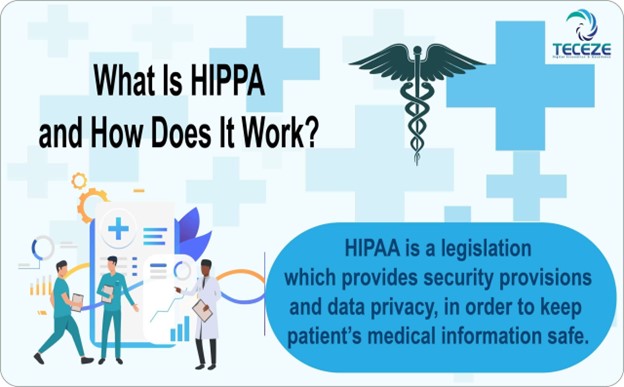
HIPAA (Health Insurance Portability and Accountability Act) is a federal law that mandates the privacy and security of a patient's medical records and personal health information. A newly licensed nurse must understand the HIPAA regulations to protect patient's confidentiality and avoid penalties for violating the law. HIPAA rules permit clients to access their medical records and receive copies of their medical information upon request. A client can request copies of medical records through a signed authorization form. HIPAA does not allow the sharing of a client's medical information with unauthorized personnel or third parties, including coworkers and supervisors. Therefore, it is essential to protect clients' medical information and keep computer passwords confidential.
Correct Answer is C
Explanation
When caring for a client with terminal cancer who expresses a desire to discontinue enteral tube feedings, the nurse's priority is to ensure that the client's wishes are respected and appropriate steps are taken. The most suitable action is:
c) Explain the process for completing a living will.
A living will is a legal document that outlines a person's preferences regarding medical treatment in the event they are unable to communicate their wishes. In this situation, the client can express their desire to forgo enteral tube feedings through a living will, ensuring that their wishes are documented and legally recognized.
The other options may not be as appropriate:
a) Request the facility chaplain to visit the client:While spiritual and emotional support is important, the immediate concern is ensuring the client's autonomy in decision-making regarding medical interventions.
b) Ask the client to sign an informed consent form:Informed consent typically pertains to specific medical procedures, and discontinuing enteral tube feedings is more aligned with the broader context of advance care planning.
d) Complete an against medical advice form:This form is typically used when a patient refuses a recommended treatment against the medical team's advice. However, in this case, the client is expressing their own treatment preferences, and the focus should be on facilitating advance care planning and documentation.
Whether you are a student looking to ace your exams or a practicing nurse seeking to enhance your expertise , our nursing education contents will empower you with the confidence and competence to make a difference in the lives of patients and become a respected leader in the healthcare field.
Visit Naxlex, invest in your future and unlock endless possibilities with our unparalleled nursing education contents today