
Which of the following is the main endocrine homeostasis mechanism?
Neutral feedback
Stimulating feedback
Negative feedback
Positive feedback
The Correct Answer is C
a. Neutral feedback: This term is not typically used in the context of endocrine regulation.
b. Stimulating feedback: This is not a standard term in endocrine homeostasis mechanisms.
c. Negative feedback: Correct. Negative feedback is the primary mechanism by which endocrine systems maintain homeostasis. It involves reducing the output or activity of any organ or system back to its normal range of functioning.
d. Positive feedback: Positive feedback amplifies changes rather than stabilizing them, and is less common in maintaining homeostasis
Nursing Test Bank
Naxlex Comprehensive Predictor Exams
Related Questions
Correct Answer is D
Explanation
a. Decrease in hydrogen ions: A decrease in hydrogen ions (H+) would indicate a condition of alkalosis, not acidosis.
b. Decrease in carbon dioxide: A decrease in carbon dioxide (CO2) usually leads to respiratory alkalosis because CO2 is acidic in nature.
c. Decrease in ketones: Ketones are acidic compounds, and their decrease is not associated with acidosis. In fact, an increase in ketones can cause ketoacidosis.
d. Decrease in bicarbonate ions: Bicarbonate (HCO3-) is a base, and a decrease in its concentration can lead to metabolic acidosis, as it reduces the buffering capacity of the blood against excess H+.
Correct Answer is B
Explanation
a. Pulmonary: The pulmonary valve separates the right ventricle from the pulmonary artery, which carries blood to the lungs.
b. Atrioventricular: The heart has four chambers: two upper atria and two lower ventricles. The atrioventricular valves (AV valves), also known as tricuspid and mitral valves, separate the atria from the ventricles and prevent blood from flowing backward from the ventricles to the atria.
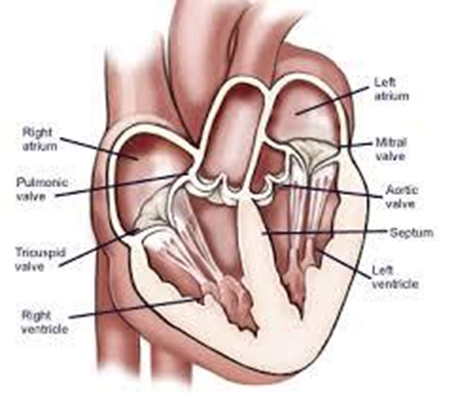
c. Semilunar: Semilunar valves (aortic and pulmonary) are located at the base of the aorta and pulmonary artery, preventing blood from flowing back into the ventricles.
d. Aortic: The aortic valve separates the left ventricle from the aorta, the main artery carrying blood away from the heart to the body.
Whether you are a student looking to ace your exams or a practicing nurse seeking to enhance your expertise , our nursing education contents will empower you with the confidence and competence to make a difference in the lives of patients and become a respected leader in the healthcare field.
Visit Naxlex, invest in your future and unlock endless possibilities with our unparalleled nursing education contents today