
Which is the priority nursing intervention for an infant diagnosed with myelomeningocele?
Educating caregivers on sensory impairment.
Preventing infection.
Correction of joint contractures.
Measuring daily head circumference.
The Correct Answer is B
Choice A rationale:
While educating caregivers on sensory impairment is important for an infant with myelomeningocele, preventing infection takes precedence as the priority nursing intervention.
Choice B rationale:
The correct answer. Preventing infection at the site of the myelomeningocele is crucial to avoid potentially life-threatening complications, such as meningitis. The exposed neural tissue poses a significant infection risk.
Choice C rationale:
Correcting joint contractures is important but is a secondary concern compared to preventing infection, which can have more immediate and severe consequences.
Choice D rationale:
Measuring daily head circumference is important to monitor for hydrocephalus in these infants, but preventing infection remains the higher priority.
Nursing Test Bank
Naxlex Comprehensive Predictor Exams
Related Questions
Correct Answer is B
Explanation
Choice A rationale:
Polyarthritis is a manifestation of rheumatic fever, but it is not the primary manifestation. The main manifestation is carditis, involving inflammation of the heart's valves and structures.
Choice B rationale:
Carditis is a hallmark manifestation of rheumatic fever. It involves inflammation of the heart's valves and structures, leading to murmurs and potential long-term cardiac damage.
Choice C rationale:
Janeway lesions are not associated with rheumatic fever. They are painless, small erythematous or hemorrhagic macules on the palms and soles, typically seen in infective endocarditis.
Choice D rationale:
Subcutaneous nodules are not a primary manifestation of rheumatic fever. These nodules, which are firm and nontender, may develop over bony prominences in cases of severe rheumatic fever.
Choice E rationale:
Cervical lymphadenopathy is not a characteristic manifestation of rheumatic fever. This type of lymphadenopathy is more commonly seen in infections or lymphatic malignancies.
Correct Answer is B
Explanation
Choice A rationale:
Allowing the patient to stay in the chosen position might not be the best approach, as the child's preference might not align with therapeutic considerations for managing status asthmaticus.
Choice B rationale:
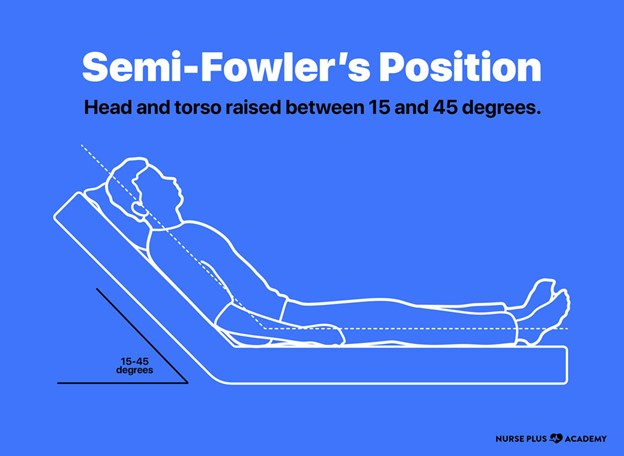
Semi-Fowler's position, with the head of the bed elevated, promotes improved lung expansion and easier breathing for patients with respiratory distress. Explaining the rationale behind this position to the child helps them understand its therapeutic benefits, encouraging compliance.
Choice C rationale:
Demonstrating various positions could confuse the child and delay appropriate intervention. A clear explanation of the preferred position is more effective in this critical situation.
Choice D rationale:
Removing pillows might be counterproductive, as elevating the head of the bed is beneficial for respiratory distress. This choice contradicts the therapeutic goal.
Whether you are a student looking to ace your exams or a practicing nurse seeking to enhance your expertise , our nursing education contents will empower you with the confidence and competence to make a difference in the lives of patients and become a respected leader in the healthcare field.
Visit Naxlex, invest in your future and unlock endless possibilities with our unparalleled nursing education contents today