
Which assessment finding of an older adult living in an assisted-living facility indicates the highest risk for suicide?
Older adult declines company, is preoccupied with lethal weapons.
Liver failure is due to alcohol abuse, older adult is popular at meals.
Refuses to allow a large, extended family to help him.
The older adult had an overdose of acetaminophen 20 years ago; is in a sewing group.
None of the above.
The Correct Answer is A
Choice A reason: Older adult declines company, is preoccupied with lethal weapons is the highest risk factor for suicide, as it indicates social isolation, hopelessness, and suicidal intent. The older adult may be suffering from depression, anxiety, or other mental health issues that impair their quality of life and increase their likelihood of harming themselves.
Choice B reason: Liver failure is due to alcohol abuse, older adult is popular at meals is not the highest risk factor for suicide, as it does not indicate suicidal ideation or behavior. The older adult may have a chronic medical condition that affects their liver function, but they may also have a supportive social network and coping skills that reduce their risk of suicide.
Choice C reason: Refuses to allow a large, extended family to help him is not the highest risk factor for suicide, as it does not indicate suicidal ideation or behavior. The older adult may have a preference for independence and autonomy, or they may have a strained relationship with their family. However, they may also have other sources of support and meaning in their life that lower their risk of suicide.
Choice D reason: The older adult had an overdose of acetaminophen 20 years ago; is in a sewing group is not the highest risk factor for suicide, as it does not indicate current suicidal ideation or behavior. The older adult may have a history of a suicide attempt, but they may also have recovered from their past crisis and found a positive outlet for their emotions and interests in the sewing group.
Choice E reason: None of the above is not the correct answer, as there is one choice that indicates the highest risk for suicide.
Nursing Test Bank
Naxlex Comprehensive Predictor Exams
Related Questions
Correct Answer is ["B","C","D","E"]
Explanation
Choice A reason: Determining coughing frequency is not a reliable way to assess whether the client has adhered to prescribed therapy, as coughing can have various causes and may not be related to heart failure or its treatment.
Choice B reason: Checking for peripheral edema is a useful way to assess whether the client has adhered to prescribed therapy, as peripheral edema is a common sign of fluid retention and worsening heart failure. If the client has been taking diuretics as prescribed, the edema should be reduced or absent.
Choice C reason: Auscultating the lungs bilaterally is a helpful way to assess whether the client has adhered to prescribed therapy, as lung sounds can indicate the presence or absence of pulmonary congestion and crackles, which are signs of fluid overload and worsening heart failure. If the client has been taking medications to improve cardiac function and reduce fluid volume as prescribed, the lungs should be clear or improved.
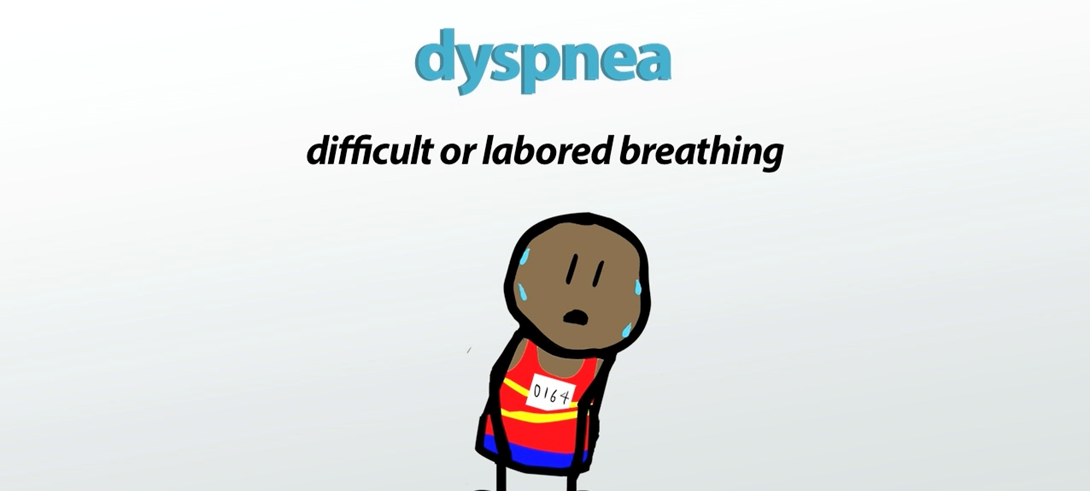
Choice D reason: Assessing diet over the last 48 hours is a relevant way to assess whether the client has adhered to prescribed therapy, as diet can affect fluid and sodium intake and retention, which can worsen heart failure. If the client has been following a low-sodium and fluid-restricted diet as prescribed, the risk of fluid overload and dyspnea should be lower.
Choice E reason: Comparing current weight to baseline is an important way to assess whether the client has adhered to prescribed therapy, as weight can reflect fluid status and changes in heart failure condition. If the client has been taking medications and following dietary recommendations as prescribed, the weight should be stable or decreased.
Correct Answer is B
Explanation
Choice A: The use of restraints on older patients helps prevent injuries from falls - This statement is not true. The use of restraints can increase the risk of injury and is generally discouraged¹.
Choice B: About 50% to 70% of falls in hospitals occur while transferring between bed and chair - This statement is true. Transfers are a high-risk activity for falls, and appropriate precautions should be taken¹.
Choice C: Falls that do not cause physical injury are not significant - This statement is not true. Even falls without injury can have significant psychological impacts, leading to fear of falling and reduced mobility¹.
Choice D: The get-up-and-go test provides a measure of a patient's energy and initiative - This statement is not true. The get-up-and-go test is used to assess a person's mobility and balance, not their energy and initiative¹.
Whether you are a student looking to ace your exams or a practicing nurse seeking to enhance your expertise , our nursing education contents will empower you with the confidence and competence to make a difference in the lives of patients and become a respected leader in the healthcare field.
Visit Naxlex, invest in your future and unlock endless possibilities with our unparalleled nursing education contents today