
A nurse is conducting education on urinary incontinence at a senior center. The nurse is discussing lifestyle changes that are associated with an improvement in urinary incontinence. The nurse includes which of the following interventions? (Select all that apply.)
Increase in physical activity
Blood sugar control
Smoking cessation
Weight reduction
Correct Answer : A,C,D
Choice A: Increase in physical activity
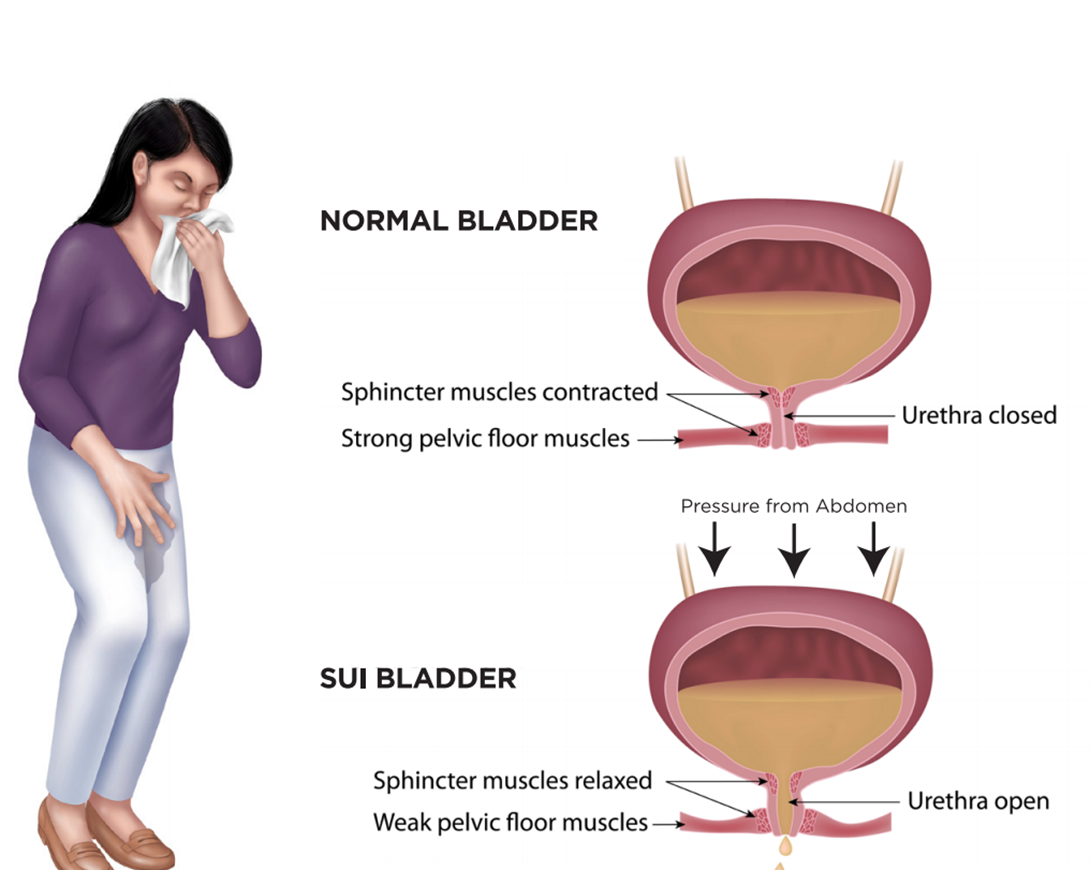
Physical activity can strengthen the muscles that help control urination. Exercises such as Kegels can specifically target these muscles, leading to improvements in urinary incontinence.
Choice B: Blood sugar control
While blood sugar control is important for overall health and can prevent complications from diabetes, it is not directly associated with improvements in urinary incontinence.
Choice C: Smoking cessation
Smoking can lead to coughing which puts pressure on the bladder and can exacerbate symptoms of urinary incontinence. Therefore, smoking cessation can lead to improvements.
Choice D: Weight reduction
Excess weight can put pressure on the bladder and surrounding muscles. Losing weight can reduce this pressure and improve symptoms of urinary incontinence.
There is no Choice E in this case. Each of these interventions can contribute to overall health and may indirectly affect urinary incontinence, but Choices A, C, and D are the most directly related to improvements in this condition.
Nursing Test Bank
Naxlex Comprehensive Predictor Exams
Related Questions
Correct Answer is D
Explanation
Choice A reason: Organize the reperfusion recombinant tissue plasminogen activator (tPA) infusion is not the appropriate step, as it is a treatment for acute ischemic stroke, which has not been confirmed in this client. tPA is a clot-busting drug that can restore blood flow to the brain, but it has strict criteria and time window for its use. The nurse should not assume that the client has a stroke without further assessment and diagnosis.
Choice B reason: Determine symptom onset or when the fall occurred is not the appropriate step, as it is not the priority for this client. The nurse should first assess the client's vital signs, neurologic status, and potential injuries from the fall. The symptom onset or fall time may be relevant for the diagnosis and treatment of the underlying cause, but it is not the most urgent information to obtain.
Choice C reason: Arrange for a transfer immediately to the radiology department is not the appropriate step, as it is not the most immediate intervention for this client. The nurse should first stabilize the client's condition, perform a thorough assessment, and obtain orders from the medical provider. The radiology department may be needed for diagnostic tests, such as computed tomography (CT) scan or magnetic resonance imaging (MRI), but it is not the first destination for this client.
Choice D reason: Perform a comprehensive neurologic assessment is the appropriate step, as it can help identify the possible cause of the client's balance problem and rule out a stroke or other serious condition. A neurologic assessment includes checking the client's level of consciousness, orientation, speech, cranial nerve function, motor strength, sensory perception, coordination, and reflexes. The nurse should also monitor the client's vital signs, oxygen saturation, and blood glucose levels.
Correct Answer is ["A","B"]
Explanation
Choice A reason: Sunken eyes are a sign of dehydration because the fluid loss causes the eyes to lose their shape and appear hollow. This is especially noticeable in older adults who have less fat and muscle around the eyes.
Choice B reason: Lower extremity weakness is a sign of dehydration because the fluid loss affects the blood volume and circulation, leading to reduced oxygen and nutrient delivery to the muscles. This can cause muscle fatigue, cramps, and weakness.
Choice C reason: High fever is not a sign of dehydration, but rather a possible cause of dehydration. Fever increases the body temperature and metabolic rate, which leads to increased sweating and fluid loss. However, fever itself does not indicate dehydration, unless it is accompanied by other signs and symptoms.
Choice D reason: Cough is not a sign of dehydration, but rather a possible cause of dehydration. Coughing can cause fluid loss through the respiratory tract, especially if it is productive or associated with vomiting. However, cough itself does not indicate dehydration, unless it is accompanied by other signs and symptoms.
Whether you are a student looking to ace your exams or a practicing nurse seeking to enhance your expertise , our nursing education contents will empower you with the confidence and competence to make a difference in the lives of patients and become a respected leader in the healthcare field.
Visit Naxlex, invest in your future and unlock endless possibilities with our unparalleled nursing education contents today