
When preparing medication from a vial for a subcutaneous injection for a client, which of the following actions should the nurse take?
Hold the syringe so that bubbles collect at the level of the plunger.
Hold the vial with the top facing upward while injecting air into the vial.
Inject air into the vial with the eye of the needle immersed in the fluid.
Hold the syringe at a 45° angle to verify dosage.
The Correct Answer is B
When preparing medication from a vial for subcutaneous injection for a client, the nurse should hold the vial with the top facing upward while injecting air into the vial.
This is because injecting air into the vial equalizes the pressure inside and makes it easier to withdraw the medication 1.
Choice A is wrong because holding the syringe so that bubbles collect at the level of the plunger is not necessary when preparing medication from a vial.
Choice C is wrong because injecting air into the vial with the eye of the needle immersed in the fluid can contaminate the medication.
Choice D is wrong because holding the syringe at a 45° angle is not necessary when verifying dosage.
Nursing Test Bank
Naxlex Comprehensive Predictor Exams
Related Questions
Correct Answer is B
Explanation
This statement indicates that the nurse should take steps to ensure effective communication with the client by recommending an interpreter who is the same gender as the client.
This can help to facilitate understanding and comfort during the informed consent process.

Choice A is wrong because nodding alone is not sufficient to indicate understanding.
Choice C is wrong because using medical terminology can be confusing and may not facilitate understanding.
Choice D is wrong because questions should be addressed directly to the client, with the interpreter facilitating communication.
Correct Answer is A
Explanation
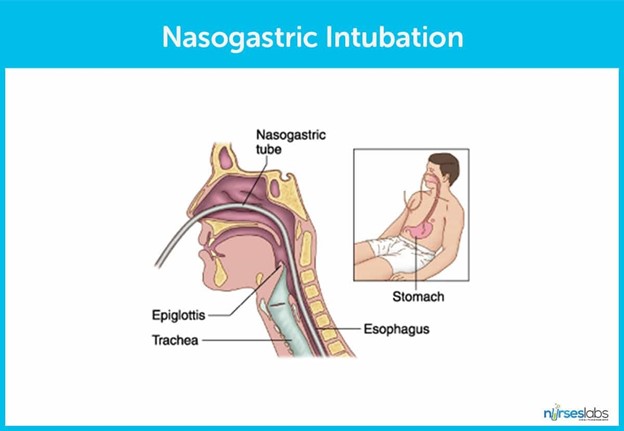
Gastric residual of 300 mL at the end of the shift is an unexpected finding.
Gastric residual volume refers to the volume of fluid remaining in the stomach during enteral feeding.
A gastric residual volume of less than or equal to 500 mL every 6 hours is considered safe and indicates that the gastrointestinal tract is functioning.
Choice B is wrong because weight gain is expected during enteral feeding.
Choice C is wrong because a blood glucose level of 110 mg/dL is within the normal range.
Choice D is wrong because diarrhea can be a common side effect of enteral feeding.
Whether you are a student looking to ace your exams or a practicing nurse seeking to enhance your expertise , our nursing education contents will empower you with the confidence and competence to make a difference in the lives of patients and become a respected leader in the healthcare field.
Visit Naxlex, invest in your future and unlock endless possibilities with our unparalleled nursing education contents today