
What nursing assessment finding would suggest inadequate renal perfusion in a patient being stabilized after an acute coronary syndrome (myocardial infarction)?
Low urine osmolarity and creatinine clearance.
Decreasing serum blood urea nitrogen (BUN) level.
Urine output of less than 30 mL/hr.
Urine specific gravity of less than 1.010.
The Correct Answer is C
Choice A rationale
Low urine osmolarity and creatinine clearance are not the primary indicators of inadequate renal perfusion in a patient being stabilized after an acute coronary syndrome. These measures reflect the concentration of the urine and the kidney’s ability to filter waste from the blood, respectively. While they can be affected by renal perfusion, they are not the most direct or reliable indicators.
Choice B rationale
A decreasing serum blood urea nitrogen (BUN) level is not typically associated with inadequate renal perfusion. In fact, a high BUN level may indicate that the kidneys aren’t working properly. However, BUN levels can be influenced by many factors, including protein intake and liver function, so they are not the most reliable indicator of renal perfusion.
Choice C rationale
A urine output of less than 30 mL/hr is a common sign of inadequate renal perfusion. The kidneys need adequate blood flow to filter waste products from the blood and produce urine. If renal perfusion is inadequate, urine output can decrease.
Choice D rationale
A urine-specific gravity of less than 1.010 is not typically associated with inadequate renal perfusion. Specific gravity is a measure of the concentration of solutes in the urine. It can be influenced by hydration status and certain kidney disorders, but it is not a direct measure of renal perfusion.
Nursing Test Bank
Naxlex Comprehensive Predictor Exams
Related Questions
Correct Answer is A
Explanation
Choice A rationale
Smoking cigarettes can exacerbate the symptoms of Raynaud’s disease by causing further constriction of the blood vessels. Therefore, a patient who continues to smoke cigarettes may need further education about the management of Raynaud’s disease.
Choice B rationale
Eating bananas twice a day is not typically a concern for patients with Raynaud’s disease.
Choice C rationale
Wearing mittens outside, especially in cold weather, is a recommended strategy for managing Raynaud’s disease. It can help to prevent episodes of Raynaud’s by keeping the hands warm and reducing exposure to cold temperatures.
Choice D rationale
Taking calcium channel blockers is a common treatment for Raynaud’s disease. These medications help to relax and open up the small blood vessels in the hands and feet, reducing the severity and frequency of Raynaud’s episodes.
Correct Answer is D
Explanation
Choice A rationale
High-output heart failure is not typically associated with chronic pulmonary disease and elevated pulmonary vascular resistance. High-output heart failure occurs when the heart is unable to meet the body’s increased demand for blood flow, which is not the case in this scenario.
Choice B rationale
Low-output heart failure is also not typically associated with chronic pulmonary disease and elevated pulmonary vascular resistance. Low-output heart failure occurs when the heart is unable to pump enough blood to meet the body’s needs, which is not the case in this scenario.
Choice C rationale
Left heart failure is not typically associated with chronic pulmonary disease and elevated pulmonary vascular resistance. Left heart failure occurs when the left side of the heart is unable to pump enough blood to the body, which is not the case in this scenario.
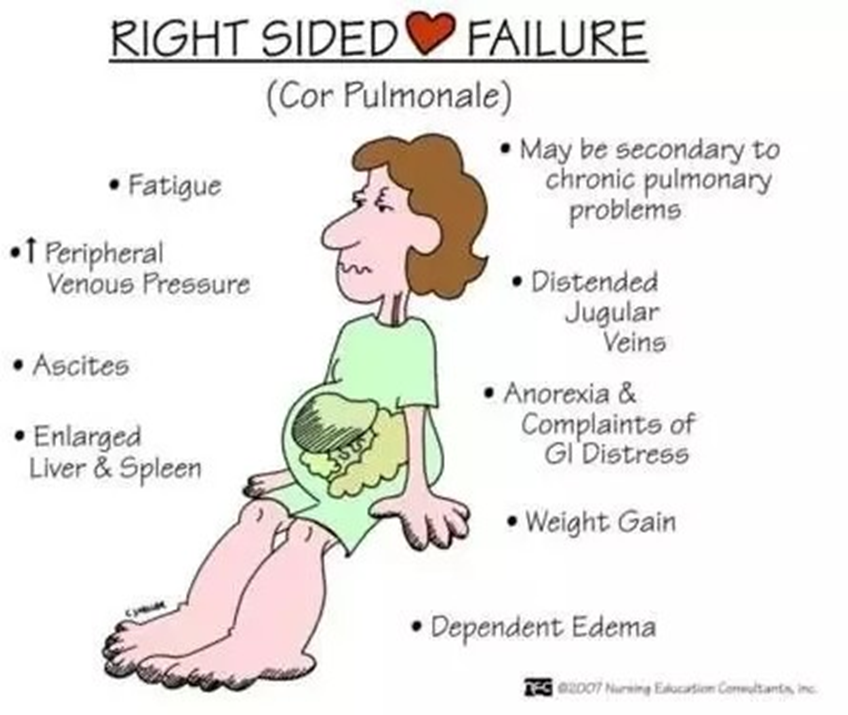
Choice D rationale
Right heart failure is the correct answer. In the context of a 65-year-old male patient diagnosed with chronic pulmonary disease and elevated pulmonary vascular resistance, the nurse should assess for right heart failure. This is because the right side of the heart pumps blood to the lungs, and if the pulmonary vascular resistance is elevated, it can put strain on the right side of the heart, leading to right heart failure.
Whether you are a student looking to ace your exams or a practicing nurse seeking to enhance your expertise , our nursing education contents will empower you with the confidence and competence to make a difference in the lives of patients and become a respected leader in the healthcare field.
Visit Naxlex, invest in your future and unlock endless possibilities with our unparalleled nursing education contents today