
What is an individual’s genetic makeup known as?
Genotype.
Chromotype.
Phenotype.
Karyotype.
The Correct Answer is A
Choice A rationale:
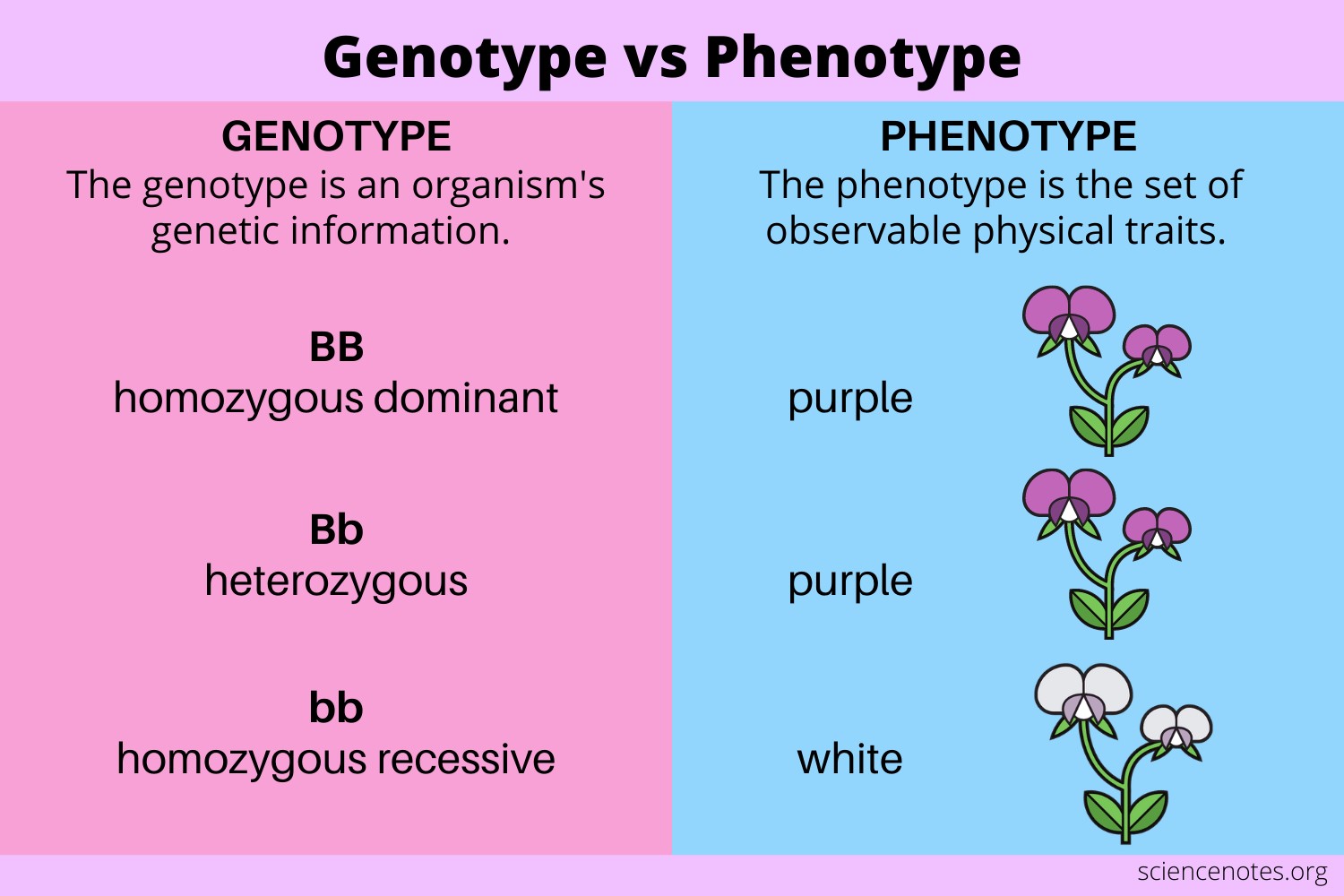
Genotype refers to the complete set of genetic instructions an individual inherits from their parents. It represents the actual genes present within an individual's cells, determining their traits and characteristics.
Genotype is the underlying genetic foundation that shapes an individual's phenotype, which is the observable expression of those genes.
Choice B rationale:
Chromotype is not a commonly used term in genetics. It may occasionally refer to the banding pattern observed on chromosomes during certain staining techniques, but it does not accurately represent an individual's complete genetic makeup.
Choice C rationale:
Phenotype refers to the observable physical or biochemical characteristics of an individual, such as eye color, height, blood type, or susceptibility to certain diseases. It is the result of the interaction between an individual's genotype and their environment.
While phenotype is influenced by genotype, it does not directly represent the underlying genetic code itself.
Choice D rationale:
Karyotype is a visual representation of an individual's chromosomes, arranged in pairs according to size and shape. It is often used to diagnose chromosomal abnormalities or genetic disorders, but it does not provide the full details of an individual's genetic makeup at the gene level.
Nursing Test Bank
Naxlex Comprehensive Predictor Exams
Related Questions
Correct Answer is ["A","D"]
Explanation
correct answer/s is A and D.
Choice A rationale:
Prostaglandins:
Mechanism of action: Prostaglandins are hormone-like substances that play a crucial role in labor initiation. They act by softening and ripening the cervix, stimulating uterine contractions, and rupturing the amniotic sac.
Types: Prostaglandins used for labor induction include:
Dinoprostone (Cervidil, Prepidil): Inserted into the vagina as a gel or pessary.
Misoprostol (Cytotec): Administered orally or vaginally.
Effectiveness: Generally effective in initiating labor within 24 hours, with success rates ranging from 60-85%.
Advantages:
Can be used when the cervix is unfavorable (not ripe).
Can be administered in a variety of ways to suit the patient's preferences.
May have a lower risk of uterine hyperstimulation compared to oxytocin.
Disadvantages:
Can cause side effects such as nausea, vomiting, diarrhea, and fever.
May increase the risk of uterine rupture, especially in women with a history of cesarean delivery.
Choice D rationale:
Amnioinfusion:
Procedure: Involves the infusion of sterile saline solution into the amniotic sac through a small catheter.
Mechanism of action: Not fully understood, but it's thought to work by:
Increasing amniotic fluid volume, which can help to stimulate contractions.
Stretching the uterine walls, which may trigger the release of prostaglandins.
Reducing pressure on the umbilical cord, which can improve fetal oxygenation.
Effectiveness: Usually used in conjunction with other induction methods, such as oxytocin or prostaglandins. Has a success rate of about 50-60% in initiating labor within 24 hours.
Advantages:
May be helpful in cases of low amniotic fluid (oligohydramnios).
Can decrease the risk of umbilical cord compression.
Disadvantages:
Requires the insertion of a catheter into the uterus, which carries a small risk of infection.
May cause discomfort for the mother.
Correct Answer is A
Explanation
Choice A rationale:
Fetal position during the first trimester is not definitively determined through ultrasound. While the gestational sac and fetal pole can be visualized, the fetus is still quite small and has ample space to move within the amniotic sac. This makes it challenging to accurately ascertain its position.
Reliable assessment of fetal position typically occurs later in pregnancy, usually between 34 and 36 weeks gestation. At this point, the fetus is larger and less mobile, allowing for a clearer assessment of its position through ultrasound.
The early determination of fetal position in the first trimester is not a primary goal of ultrasound. It is more focused on establishing pregnancy viability, gestational age, and detecting any potential abnormalities.

Choice B rationale:
Ultrasound in the first trimester can reliably detect multiple gestations. It can visualize the presence of multiple gestational sacs or fetal poles, clearly indicating whether a woman is carrying twins, triplets, or more.
Early identification of multiple gestations is crucial for optimal pregnancy management. It allows healthcare providers to tailor prenatal care, monitor for potential complications associated with multiple pregnancies, and plan for appropriate delivery. Choice C rationale:
Ultrasound in the first trimester can assist in detecting certain maternal abnormalities that could impact pregnancy. These may include:
Uterine abnormalities, such as fibroids or structural defects
Ovarian cysts
Ectopic pregnancies (where the embryo implants outside the uterus)
Gestational trophoblastic disease (abnormal growth of tissue inside the uterus)
Early identification of these maternal abnormalities allows for timely intervention and management, ensuring the best possible outcomes for both mother and fetus.
Choice D rationale:
Confirming pregnancy is a primary reason for ultrasound in the first trimester. It can visualize the gestational sac, which contains the developing embryo and confirms the presence of a pregnancy.
Ultrasound can also detect the fetal heartbeat, which typically becomes visible between 6 and 8 weeks gestation. This provides further confirmation of a viable pregnancy.
Whether you are a student looking to ace your exams or a practicing nurse seeking to enhance your expertise , our nursing education contents will empower you with the confidence and competence to make a difference in the lives of patients and become a respected leader in the healthcare field.
Visit Naxlex, invest in your future and unlock endless possibilities with our unparalleled nursing education contents today