
The nurse would evaluate a female patient, age 68, as understanding teaching on the purpose of coronary artery bypass graft surgery if she made which of the following statements?
“It is done to increase blood flow to the myocardium.”
“It will decrease blood flow to the coronary arteries.”
“It cures coronary artery disease.”
“It prevents spasms of the coronary arteries.”
The Correct Answer is A
Choice A Reason:Coronary artery bypass graft surgery (CABG) is not primarily performed to increase blood flow to the myocardium. Instead, it aims to restore blood flow to areas of the heart affected by blockages.
Choice B Reason:CABG does not intentionally decrease blood flow to the coronary arteries. On the contrary, it creates a new pathway to bypass blocked or partially blocked coronary arteries, improving blood flow to the heart muscle.
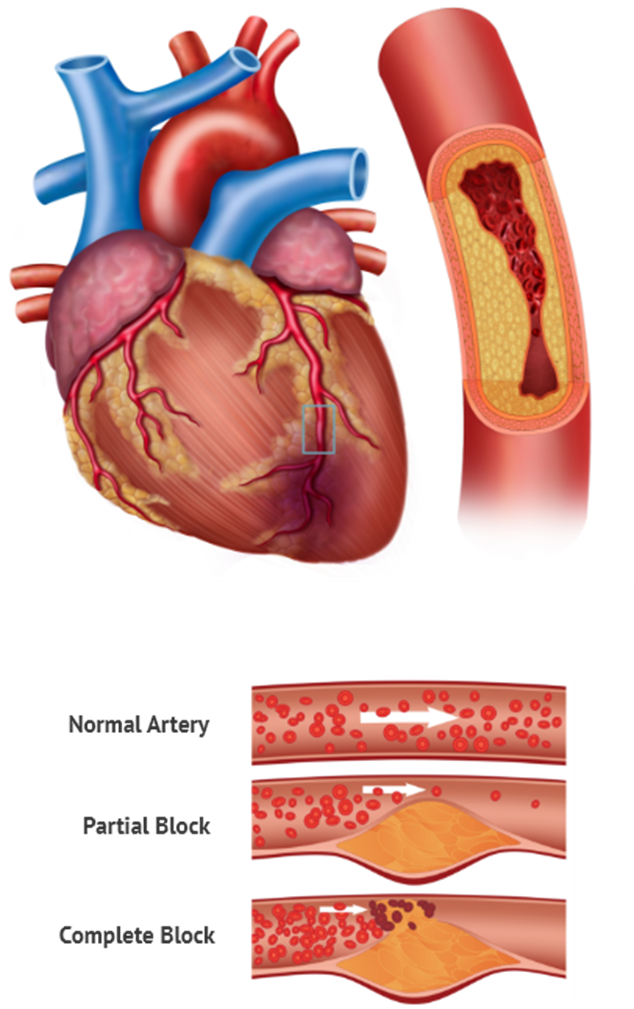
Choice C Reason:The primary purpose of CABG is to treat coronary artery disease by restoring blood flow to areas of the heart that aren't receiving enough blood. It involves using healthy blood vessels (usually from the chest or leg) to create a detour around blockages. By doing so, CABG improves heart function and reduces symptoms related to ischemia.
Choice D Reason:While CABG can indirectly prevent spasms of the coronary arteries by improving blood flow, it is not its primary purpose.
Nursing Test Bank
Naxlex Comprehensive Predictor Exams
Related Questions
Correct Answer is C
Explanation
Choice A reason: Determining a target heart rate is not the primary purpose of an exercise stress electrocardiogram; it is more about observing the heart's function under stress³.
Choice B reason: Identifying the need for more exercise is not the direct outcome of this test; it is used to assess cardiovascular response to stress³.
Choice C reason: The test is designed to show how the heart performs during exercise, which can help diagnose conditions like coronary artery disease³.
Choice D reason: Predicting a heart attack is not the purpose of an exercise stress electrocardiogram; rather, it helps to identify heart conditions that may lead to complications if left untreated³.
Correct Answer is ["A","B","C","F"]
Explanation
Choice A reason: Administering a daily stool softener can help prevent straining during bowel movements, which can increase cardiac workload.
Choice B reason: Providing a bedside commode reduces the effort required to go to the bathroom, thus reducing cardiac workload.
Choice C reason: Advocating for rest periods with no visitors can help reduce emotional stress and physical exertion, which can increase cardiac workload.
Choice D reason: A regular diet is not specifically an intervention to reduce cardiac workload and may not be appropriate immediately following a myocardial infarction.
Choice E reason: Ambulating four times a day is not recommended immediately following a myocardial infarction as it can increase cardiac workload.
Choice F reason: Maintaining bedrest can help reduce the workload on the heart by minimizing physical activity.
Whether you are a student looking to ace your exams or a practicing nurse seeking to enhance your expertise , our nursing education contents will empower you with the confidence and competence to make a difference in the lives of patients and become a respected leader in the healthcare field.
Visit Naxlex, invest in your future and unlock endless possibilities with our unparalleled nursing education contents today