
The nurse states, “I will stay with you until you go for your electro compulsive therapy (ECT) treatment.” Which of the following therapeutic communication techniques is being demonstrated?
Accepting
Giving recognition
Offering self
Formulating a plan.
The Correct Answer is C
Offering self is a therapeutic communication technique where the healthcare professional offers their presence, support, and assistance to the patient. By stating that they will stay with the patient until their ECT treatment, the nurse is offering their presence and support to the patient during a potentially stressful and anxiety-provoking time. This technique can help the patient feel more comfortable and supported, which can help build trust and rapport between the patient and the healthcare professional.
Accepting involves acknowledging the patient's feelings and accepting them without judgment. Giving recognition involves acknowledging the patient's efforts and accomplishments. Formulating a plan involves working with the patient to develop a plan of action for addressing their health concerns. None of these techniques are being demonstrated in this scenario.
Nursing Test Bank
Naxlex Comprehensive Predictor Exams
Related Questions
Correct Answer is B
Explanation
The nurse has violated the mayor's right to privacy and confidentiality by disclosing his medical information to a third party without his consent. This action can lead to a charge of breach of confidentiality.
Additionally, the statement made by the nurse could be considered defamatory as it is likely to harm the mayor's reputation and could be interpreted as an accusation of a crime or moral wrongdoing. Therefore, the nurse could be charged with defamation of character. False imprisonment and batery are not relevant to the situation described.
Correct Answer is C
Explanation
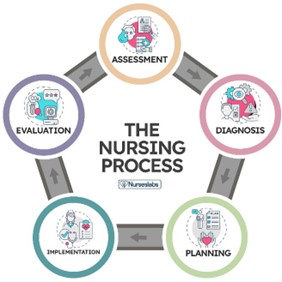
In this phase, the nurse takes action to help the client manage their anxiety and prevent a panic attack. By instructing the client to remain seated and offering them the opportunity to use their journal, the nurse is providing a calming and grounding intervention that can help the client regain control of their emotions and remain engaged in the group therapy session.
Whether you are a student looking to ace your exams or a practicing nurse seeking to enhance your expertise , our nursing education contents will empower you with the confidence and competence to make a difference in the lives of patients and become a respected leader in the healthcare field.
Visit Naxlex, invest in your future and unlock endless possibilities with our unparalleled nursing education contents today