
The nurse is teaching relaxation techniques to a client with obsessive-compulsive disorder (OCD). When should the nurse teach relaxation techniques to the client?
After the client has taken medication.
When the client is performing a repetitive ritual.
Just before the client goes to bed.
When the client is experiencing low anxiety levels.
The Correct Answer is D
Choice A reason: Teaching relaxation techniques after medication may not be as effective because the client might be under the influence of the medication, which could interfere with learning the techniques.
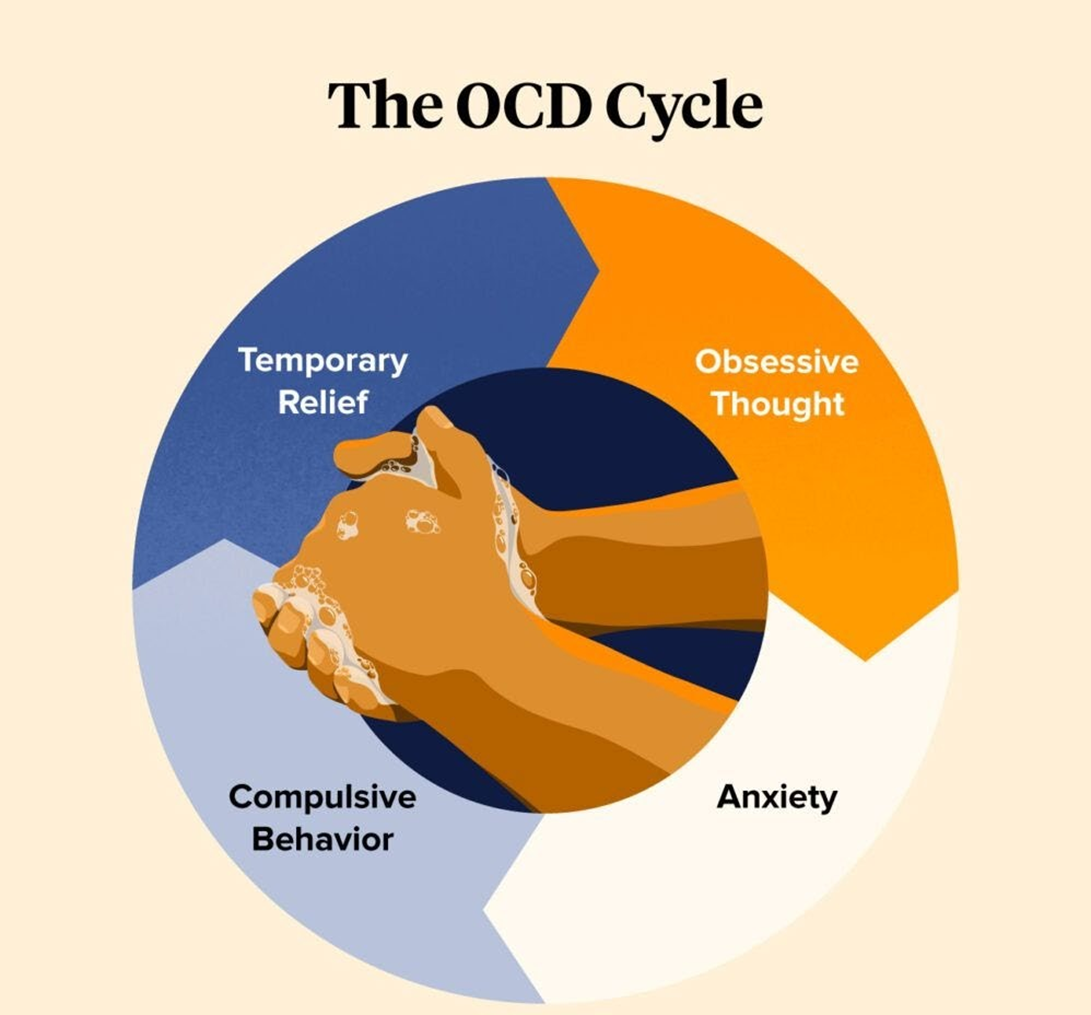
Choice B reason: Atempting to teach relaxation techniques during a ritual can increase the client's anxiety and resistance, as rituals are often used by individuals with OCD to manage their anxiety.
Choice C reason: While bedtime could be a calm time, it's not specifically targeted towards managing anxiety levels, which is crucial for clients with OCD.
Choice D reason: Teaching relaxation techniques when the client is experiencing low anxiety levels is most beneficial. The client is more likely to be receptive and retain the information, which can then be applied during higher anxiety periods.
Nursing Test Bank
Naxlex Comprehensive Predictor Exams
Related Questions
Correct Answer is A
Explanation
Choice A reason: This is the correct choice. Given the client has not eaten for several days, addressing nutritional needs is a priority to prevent further physical health complications.
Choice B reason: While there may be a risk for violence, the immediate physical health needs related to nutrition are more pressing.
Choice C reason: Ineffective health maintenance may be a concern, but it is not as immediate as the risk posed by imbalanced nutrition.
Choice D reason: There is no indication in the text that the client is at risk for suicide; therefore, this would not be the priority without further assessment.
Correct Answer is B
Explanation
Choice A reason: This choice is incorrect because stimulant medications used to treat ADHD are known to potentially cause insomnia rather than increased sleep duration.
Choice B reason: This is the correct choice. Common side effects of stimulant medications for ADHD include insomnia, loss of appetite, and weight loss. These side effects are well-documented and are important for parents to be aware of.
Choice C reason: This choice is incorrect. While the frequency of medication administration is important, the statement is too vague and does not reflect the common dosing schedule for ADHD stimulant medications, which can vary based on the specific medication and the individual's needs.
Choice D reason: This choice is incorrect. Routine blood level monitoring is not a standard requirement for ADHD stimulant medication therapy. Monitoring typically focuses on growth, blood pressure, heart rate, and the presence of any side effects.
Whether you are a student looking to ace your exams or a practicing nurse seeking to enhance your expertise , our nursing education contents will empower you with the confidence and competence to make a difference in the lives of patients and become a respected leader in the healthcare field.
Visit Naxlex, invest in your future and unlock endless possibilities with our unparalleled nursing education contents today