
The nurse is reinforcing home care instructions to the parent of a child with bacterial conjunctivitis. Which instruction would the nurse give the parent?
The child may attend school if antibiotics have been started.
Wipe any crusted material from the eye with a cotton ball soaked in warm water, starting at the outer aspect of the eye and moving toward the inner aspect.
The child's towels and washcloths should not be used by other members of the household.
Save any unused eye medication in case a sibling gets the eye infection.
The Correct Answer is C
- This aligns with general guidelines for managing bacterial conjunctivitis, which emphasize the importance of cleanliness and avoiding the sharing of personal items to contain the infection.
A. Bacterial conjunctivitis is highly contagious, and the child should not attend school until they have been on antibiotics for at least 24 hours and their symptoms are improving. Allowing the child to attend school before this time could lead to the spread of the infection to other children.
B. Crusted material around the eye should be gently wiped away using a clean cotton ball soaked in warm water. It's important to start wiping from the inner aspect of the eye and move toward the outer aspect to prevent spreading any infectious material into the eye.
D. Eye medications, especially antibiotics prescribed for bacterial conjunctivitis, should not be saved for future use or shared with others. Each individual should have their own prescribed medication to avoid the risk of improper dosing or spread of infection.
Nursing Test Bank
Naxlex Comprehensive Predictor Exams
Related Questions
Correct Answer is A
Explanation
A. This statement indicates that the mother understands the purpose of giving pancreatic enzymes to her child with cystic fibrosis. Cystic fibrosis can cause pancreatic insufficiency, leading to difficulty digesting fats and other nutrients. Pancreatic enzymes help to supplement the deficient digestive enzymes, aiding in the digestion of fats and improving nutrient absorption.
B. Pancreatic enzyme capsules are typically meant to be swallowed whole, not chewed. Chewing the capsules could affect their effectiveness by prematurely releasing the enzymes in the mouth rather than in the stomach where they are needed for digestion.
C. While pancreatic enzymes can help with digestion and may indirectly reduce symptoms like nausea by improving nutrient absorption, their primary purpose is not to prevent nausea.
D. Pancreatic enzymes are usually taken with meals or snacks to aid in the digestion of food. The timing of pancreatic enzyme administration may vary depending on the child's eating schedule and the specific instructions provided by the healthcare provider, but taking them 2 hours before meals would not typically be recommended.
Correct Answer is ["A","B","D"]
Explanation
A. Wheezing. Cystic fibrosis can cause airway obstruction due to thickened mucus, leading to wheezing and difficulty breathing, especially during respiratory infections or exacerbations.
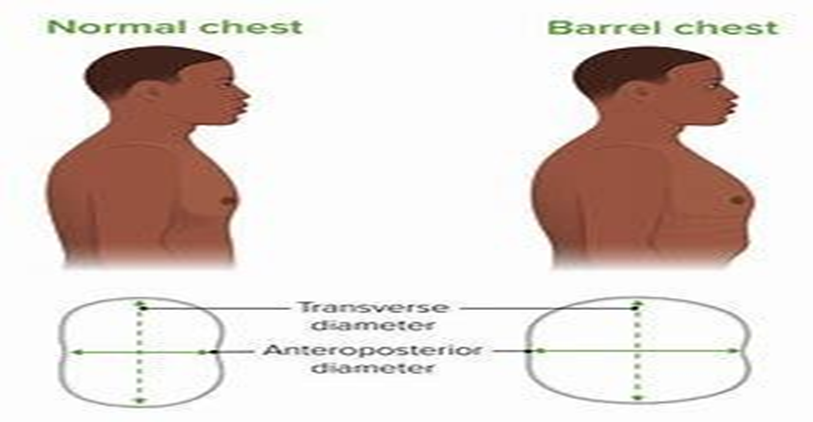
B. A barrel-shaped chest is often seen in advanced stages of cystic fibrosis. It results from hyperinflation of the lungs due to air trapping, chronic lung disease, and repeated respiratory infections. The chest appears rounded and enlarged, similar to the shape of a barrel.
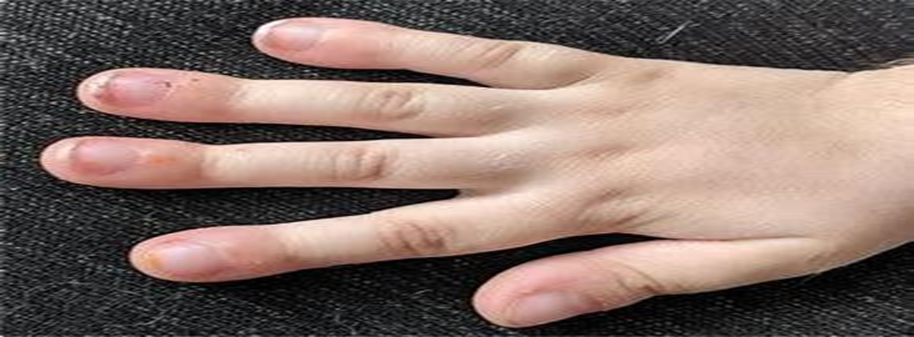
D. Clubbing of fingers and toes is a common finding in cystic fibrosis. It is caused by chronic hypoxia and inadequate oxygenation of tissues, leading to changes in the nail beds and fingertips. Clubbing typically develops over time in individuals with chronic respiratory conditions, including cystic fibrosis.
C. Thin, watery mucous is not expected in cystic fibrosis. Instead, cystic fibrosis is characterized by thick, sticky mucus due to dysfunction of the exocrine glands, leading to blockages in the airways, pancreas, and other organs.
E. Rapid growth spurts are not typically associated with cystic fibrosis. In fact, children with cystic fibrosis may experience growth failure or delayed growth due to malabsorption of nutrients, chronic illness, and increased energy expenditure.
Whether you are a student looking to ace your exams or a practicing nurse seeking to enhance your expertise , our nursing education contents will empower you with the confidence and competence to make a difference in the lives of patients and become a respected leader in the healthcare field.
Visit Naxlex, invest in your future and unlock endless possibilities with our unparalleled nursing education contents today