
The nurse is caring for a patient with chronic pancreatitis who reports persistent gnawing abdominal pain. What assessment data is most important for the nurse to obtain to help manage the patient’s pain?
Activity level of bowel sounds.
Level and amount of physical activity.
Eating patterns of dietary intake.
Color and consistency of feces.
The Correct Answer is C
Choice A rationale
While the activity level of bowel sounds can provide information about the functioning of the gastrointestinal system, it is not the most important data to manage the patient’s pain from chronic pancreatitis.
Choice B rationale
The level and amount of physical activity can affect the patient’s pain level, but it is not the most crucial data for managing pain in chronic pancreatitis.
Choice C rationale
Eating patterns of dietary intake are the most important data to manage the patient’s pain. In chronic pancreatitis, certain foods can exacerbate the pain. Understanding the patient’s dietary habits can help in providing appropriate dietary modifications.
Choice D rationale
The color and consistency of feces can provide information about the patient’s digestive health, but it is not the most important data to manage the patient’s pain from chronic pancreatitis.
Nursing Test Bank
Naxlex Comprehensive Predictor Exams
Related Questions
Correct Answer is A
Explanation
Choice A rationale
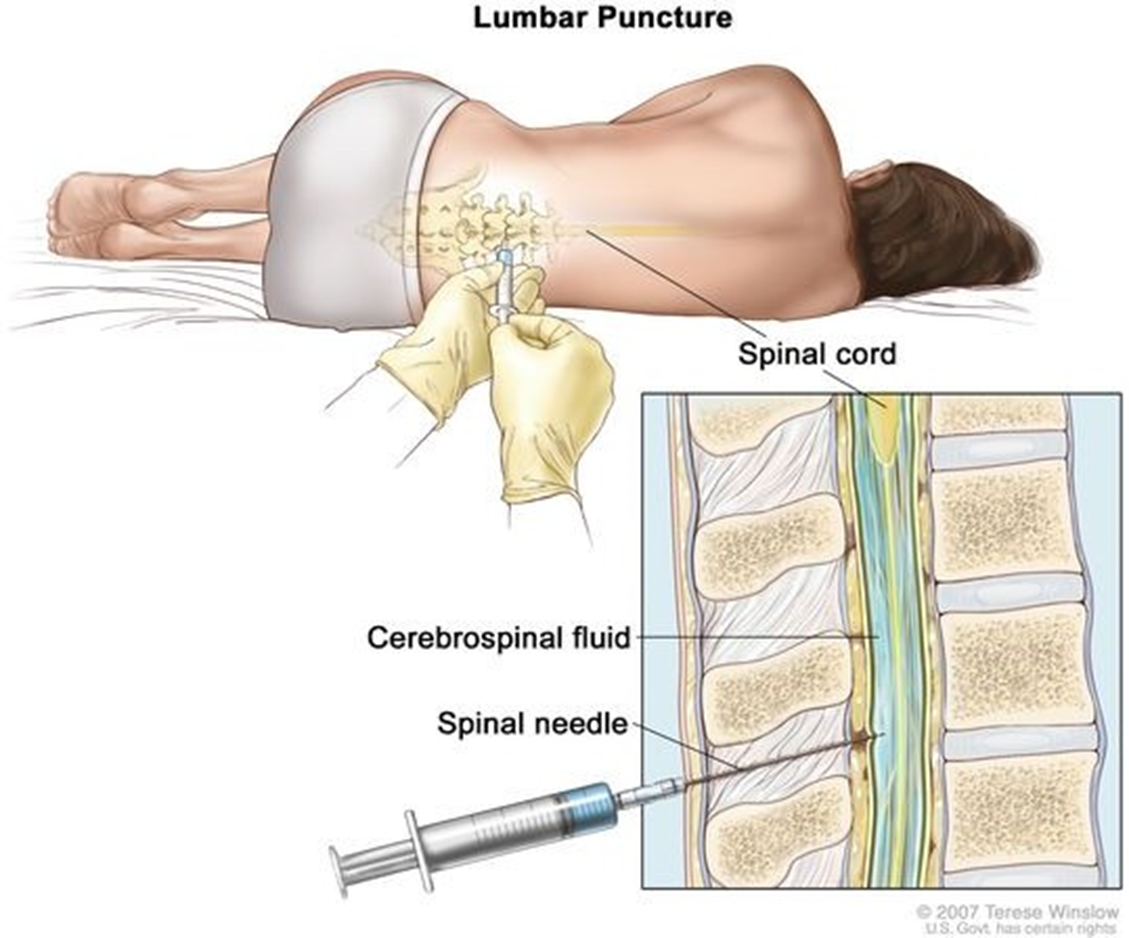
A lumbar puncture is a key diagnostic procedure for suspected bacterial meningitis. It allows for the collection of cerebrospinal fluid, which can be analyzed for signs of bacterial infection.
Choice B rationale
Skull radiography is not typically used to diagnose bacterial meningitis. While it can help identify abnormalities in the structure of the skull or brain, it cannot detect the presence of bacteria.
Choice C rationale
While an MRI can provide detailed images of the brain and surrounding tissues, it is not the primary tool for diagnosing bacterial meningitis. It may be used in conjunction with other tests, but a lumbar puncture is more definitive.
Choice D rationale
A CT scan can be used to detect abnormalities in the brain, such as swelling or inflammation, which could be indicative of meningitis. However, it cannot definitively diagnose bacterial meningitis.
Correct Answer is B
Explanation
Choice A rationale
A superficial partial-thickness burn involves the destruction of the epidermis and possibly a portion of the dermis. The description provided does not match this type of burn.
Choice B rationale
A full-thickness burn involves total destruction of the epidermis and dermis, and in some cases, the underlying tissue, muscle, and bone. The description of the burn as severely swollen, with a wound bed that appears brown and yellow, and the patient reporting no pain, is consistent with a full-thickness burn.
Choice C rationale
A deep partial-thickness burn involves the destruction of the epidermis and upper layers of the dermis and injury to the deeper portions of the dermis. The description provided does not match this type of burn.
Choice D rationale
Deep full-thickness burns are a more severe form of full-thickness burns that extend beyond the dermis into deeper tissues. The description provided does not match this type of burn.
Whether you are a student looking to ace your exams or a practicing nurse seeking to enhance your expertise , our nursing education contents will empower you with the confidence and competence to make a difference in the lives of patients and become a respected leader in the healthcare field.
Visit Naxlex, invest in your future and unlock endless possibilities with our unparalleled nursing education contents today