
The nurse is admitting a male client who takes lithium carbonate twice a day. Which information should the nurse report to the healthcare provider immediately?
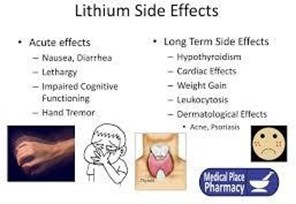
Five-pound (2.3 kg) weight gain.
Nausea and vomiting.
Short-term memory loss.
Depressed affect.
The Correct Answer is B
Choice A rationale:
A five-pound weight gain in a client taking lithium carbonate is significant. however, the timeframe of the weightgain is to be known. Choice B rationale:
Nausea and vomiting are known side effects of lithium that should be reported as they can cause electrolyte imbalance.
Choice C rationale:
Short-term memory loss is a potential side effect of lithium, but it may not require immediate reporting unless it significantly affects the client's daily functioning or is associated with other concerning symptoms.
Choice D rationale:
A depressed affect is a symptom that should be addressed as part of the client's ongoing psychiatric care, but it may not warrant immediate reporting unless it is severe and requires a change in the treatment plan. The priority in this case is the potential lithium toxicity indicated by the weight gain.
Nursing Test Bank
Naxlex Comprehensive Predictor Exams
Related Questions
Correct Answer is B
Explanation
A. Assisting the client with relaxation techniques within the group may be ineffective for severe anxiety because the client may be too overwhelmed by the environment to participate or focus.
B. Escorting the client from the group to a quieter environment is the most effective intervention for severe anxiety. Reducing external stimuli allows the client to regain composure and prevents escalation of physiological and psychological stress responses.
C. Providing education about coping strategies is appropriate for mild or moderate anxiety, but during severe anxiety the client is unlikely to process or retain information effectively.
D. Asking the client to describe or identify the source of feelings can increase anxiety and is not therapeutic during a severe anxiety episode. Exploration of triggers is more appropriate once the client is calmer.
Correct Answer is ["A","B","C"]
Explanation
The assessment findings that require immediate follow-up by the nurse are: muscle cramps, tingling sensation in arms and legs, and lightheadedness.
These are signs of electrolyte imbalance, which can be caused by missed dialysis sessions, dehydration, or infection. Electrolyte imbalance can lead to serious complications such as cardiac arrhythmias, seizures, or coma.
The nurse should monitor the client's vital signs, neurological status, and cardiac rhythm, and notify the physician for further orders. The nurse should also assess the client's fluid status, hydration, and nutritional intake, and provide education on the importance of adhering to the dialysis schedule and dietary restrictions.
Whether you are a student looking to ace your exams or a practicing nurse seeking to enhance your expertise , our nursing education contents will empower you with the confidence and competence to make a difference in the lives of patients and become a respected leader in the healthcare field.
Visit Naxlex, invest in your future and unlock endless possibilities with our unparalleled nursing education contents today