
The nurse assesses that a client is experiencing spiritual distress. What should be the nurse's primary intervention?
Establish a trusting nurse-client relationship.
Identify the client's belief in a Supreme Being.
Tell the client everything will be fine when they get home.
Have the client describe the physical problem.
The Correct Answer is A
A. Establishing a trusting relationship is crucial in nursing care, including when addressing spiritual distress. This intervention allows the nurse to create a safe space for the client to express their feelings, concerns, and spiritual beliefs. It fosters open communication and helps the nurse understand the depth of the client's distress, which is essential for providing effective support and care.
B. Understanding the client's belief system, including their beliefs in a Supreme Being or higher power, is important in addressing spiritual distress. This information helps the nurse provide culturally and spiritually sensitive care that aligns with the client's values and preferences. However, while important, this would typically follow establishing a trusting relationship as it involves a deeper understanding of the client's spiritual perspective.
C. This response may come from a well-intentioned desire to reassure the client, but it oversimplifies the client's concerns and does not address the root of spiritual distress. Spiritual distress is often complex and may involve existential questions, fears, or conflicts related to beliefs, meaning, and purpose.
Offering simplistic reassurances without addressing these deeper issues may not effectively alleviate the client's distress.
D. Spiritual distress is distinct from physical problems, although it can manifest with physical symptoms. Focusing solely on the physical aspects may overlook the spiritual and existential concerns that underlie the client's distress. While it's important to assess physical symptoms comprehensively, this approach does not directly address the spiritual distress identified by the nurse.
Nursing Test Bank
Naxlex Comprehensive Predictor Exams
Related Questions
Correct Answer is D
Explanation
D. Metabolic alkalosis is characterized by an increased pH (alkalosis) and an increased HCO3. In this case, the pH is elevated (7.5), indicating alkalosis, which supports metabolic alkalosis. The HCO3 is elevated at 40 mEq/L, which further supports metabolic alkalosis. The PaCO2 is normal or slightly low (36 mmHg), which can occur as a compensatory response to metabolic alkalosis.
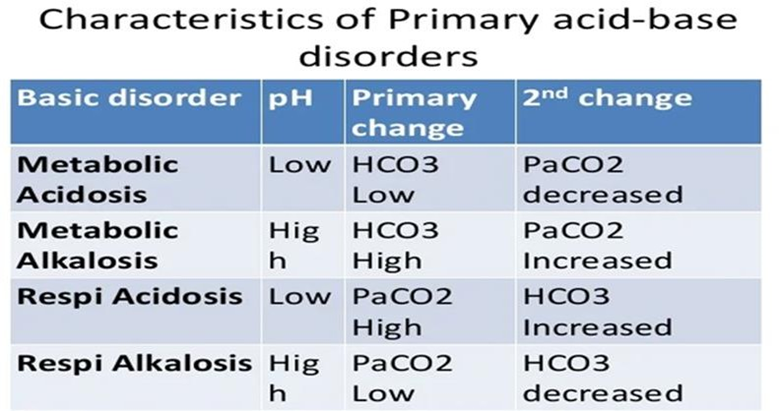
A. Respiratory alkalosis is characterized by an increase in pH (alkalosis) and a decrease in PaCO2 (hypocapnia). In this scenario, the pH is elevated (7.5), which indicates alkalosis. The PaCO2 is 36 mmHg, which is within the normal range (35-45 mmHg) but slightly on the lower side (slight hypocapnia). The HCO3 is elevated at 40 mEq/L, which suggests a compensatory response by the kidneys to retain bicarbonate to counteract the alkalosis.
B. Respiratory acidosis is characterized by a decrease in pH (acidosis) and an increase in PaCO2 (hypercapnia). In this case, the pH is elevated (7.5), indicating alkalosis, which contradicts respiratory acidosis. The PaCO2 is 36 mmHg, which is normal or slightly low, not high as expected in respiratory acidosis. The elevated HCO3 (40 mEq/L) suggests a compensatory metabolic response to the alkalosis, not to acidosis.
C. Metabolic acidosis is characterized by a decreased pH (acidosis) and a decreased HCO3. In this scenario, the pH is elevated (7.5), indicating alkalosis, which contradicts metabolic acidosis. The HCO3 is elevated at 40 mEq/L, indicating metabolic alkalosis rather than metabolic acidosis.
Correct Answer is A
Explanation
A. By critically thinking about client care, nurses can assess situations, analyze data, evaluate options, and make informed decisions that contribute to the delivery of high-quality care. Critical thinking helps nurses identify priorities, anticipate potential complications, and adapt care plans based on individual client needs and responses.
B. While critical thinking is important in research and evidence-based practice, its primary role in client care is to ensure that nursing interventions are well-reasoned, evidence-based, and tailored to meet the specific needs of clients. While clients may benefit indirectly from evidence-based care resulting from nursing research, client care primarily focuses on immediate clinical decision-making and management.
C. Critical thinking involves analyzing various aspects of client care, including physiological, psychological, and social phenomena. By critically analyzing these phenomena, nurses can understand underlying issues, identify contributing factors to health conditions, and determine appropriate nursing interventions to promote health and well-being. This process helps nurses make sense of complex client situations and provide holistic care.
D. Critical thinking enables nurses to consider multiple options or strategies for nursing actions. By critically evaluating these options based on client assessment data, evidence-based practice guidelines, and ethical principles, nurses can make informed decisions about the most effective and appropriate interventions for their clients. This ensures that nursing care is individualized and responsive to the unique needs and preferences of each client.
Whether you are a student looking to ace your exams or a practicing nurse seeking to enhance your expertise , our nursing education contents will empower you with the confidence and competence to make a difference in the lives of patients and become a respected leader in the healthcare field.
Visit Naxlex, invest in your future and unlock endless possibilities with our unparalleled nursing education contents today