
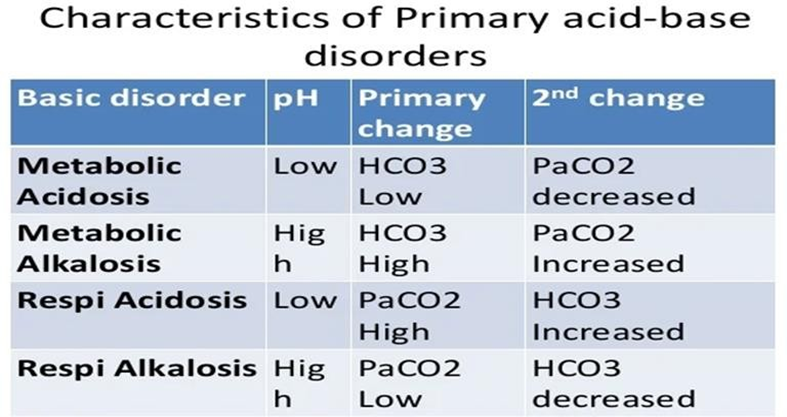
The following arterial blood gas results would demonstrate to the nurse that the client is experiencing which acid-base imbalance? pH 7.31 PaCO2 40, HCO3 18, pa02 92
Respiratory alkalosis
Respiratory acidosis
Metabolic alkalosis
Metabolic acidosis
The Correct Answer is D
D. In metabolic acidosis, the pH would be low (acidemic) and the HCO3 level would be below the normal range. In the provided ABG results, the pH is low (acidemic) and the HCO3 level is below the normal range, indicating metabolic acidosis.
A. In respiratory alkalosis, the pH would be elevated (alkalotic) and the PaCO2 would be below the normal range (hypocapnia). However, in the provided ABG results, the pH is low (acidemia) rather than high, ruling out respiratory alkalosis.
B. In respiratory acidosis, the pH would be low (acidemic) and the PaCO2 would be above the normal range (hypercapnia). However, in the provided ABG results, the PaCO2 is within the normal range, ruling out respiratory acidosis.
C. In metabolic alkalosis, the pH would be elevated (alkalotic) and the HCO3 level would be above the normal range. However, in the provided ABG results, the pH is low (acidemic) and the HCO3 level is below the normal range, ruling out metabolic alkalosis.
Nursing Test Bank
Naxlex Comprehensive Predictor Exams
Related Questions
Correct Answer is D
Explanation
D. Consuming alcoholic beverages, especially close to bedtime, can disrupt sleep patterns and exacerbate insomnia. While alcohol may initially have a sedative effect and induce drowsiness, it can lead to fragmented and poor-quality sleep later in the night, resulting in worsened insomnia symptoms. Therefore, this statement indicates a need for further education by the nurse regarding the negative impact of alcohol consumption on sleep and the importance of avoiding alcohol before bedtime to improve sleep quality.
A. Keeping the bedroom cool (around 65 degrees Fahrenheit) is generally recommended for promoting sleep because a cooler temperature can help facilitate the body's natural temperature drop, which occurs during sleep onset.
B. Engaging in regular physical activity, such as taking a long walk during the day, can be beneficial for promoting better sleep. Physical activity during the day can help regulate the sleep-wake cycle, reduce stress, and improve overall sleep quality. Therefore, this statement reflects a positive sleep hygiene practice and does not indicate a need for further education.
C. This statement suggests an understanding of the importance of associating the bed with sleep and avoiding activities that may interfere with sleep, such as paying bills or working in bed. Maintaining the bed as a place primarily for sleep and intimacy can help condition the mind and body to associate the bed with relaxation and sleep.
Correct Answer is C
Explanation
C. This allows healthcare providers to quickly administer treatments without the need for repeated venipuncture, which can be beneficial in various medical situations where time and vein preservation are critical.
A. Peripheral intravenous saline locks are not typically used to accommodate highly irritating or hyperosmolar solutions. Saline locks are used to maintain venous access without continuous infusion, and they are generally used with isotonic solutions to prevent complications such as phlebitis or infiltration.
B. The access is not very reliable when used for drawing samples repeatedly.
D. While peripheral intravenous saline locks can be used for intermittent administration of IV antibiotics or other medications, they are not typically used for prolonged IV antibiotic administration.
Whether you are a student looking to ace your exams or a practicing nurse seeking to enhance your expertise , our nursing education contents will empower you with the confidence and competence to make a difference in the lives of patients and become a respected leader in the healthcare field.
Visit Naxlex, invest in your future and unlock endless possibilities with our unparalleled nursing education contents today