
The nurse is caring for a newly delivered breast-feeding infant. Which nursing intervention would best prevent jaundice in this infant?
Encouraging the mother to supplement breast-feeding with formula.
Keeping the infant NPO until the second period of reactivity.
Encouraging the mother to breastfeed the infant every 2 to 3 hours.
Placing the infant under phototherapy.
The Correct Answer is C
Choice A Reason:
Encouraging the mother to supplement breast-feeding with formula is not the best intervention to prevent jaundice. Frequent breastfeeding helps to increase the infant’s fluid intake and promotes the excretion of bilirubin through stools. Supplementing with formula may interfere with the establishment of breastfeeding and is not necessary unless the infant is not feeding well.
Choice B Reason:
Keeping the infant NPO (nothing by mouth) until the second period of reactivity is not recommended. Early and frequent breastfeeding is crucial in preventing jaundice as it helps to establish milk supply and promotes the passage of meconium, which contains bilirubin.
Choice C Reason:
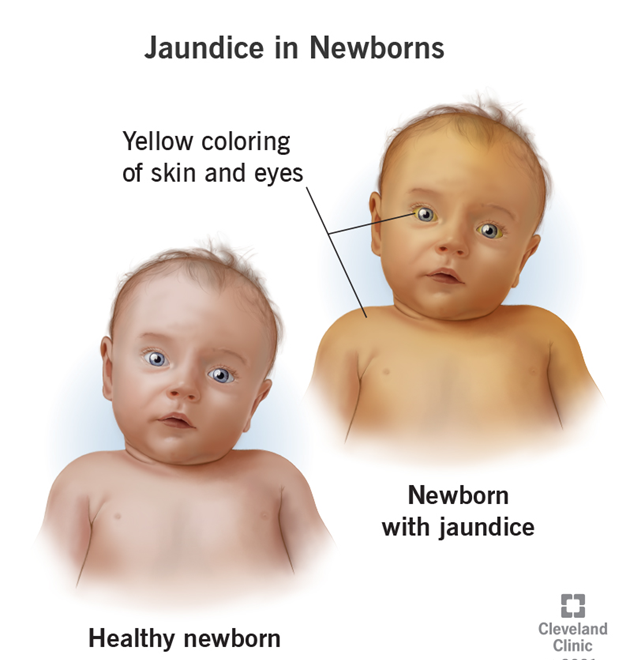
Encouraging the mother to breastfeed the infant every 2 to 3 hours is the best intervention to prevent jaundice. Frequent breastfeeding ensures that the infant receives adequate nutrition and hydration, which helps to lower bilirubin levels by promoting regular bowel movements.
Choice D Reason:
Placing the infant under phototherapy is a treatment for jaundice, not a preventive measure. Phototherapy is used when bilirubin levels are already elevated. The goal is to prevent jaundice from developing in the first place through frequent breastfeeding.
Nursing Test Bank
Naxlex Comprehensive Predictor Exams
Related Questions
Correct Answer is C
Explanation
Choice A reason:
Cocaine use: Cocaine use during pregnancy is a significant risk factor for placental abruption. Cocaine causes vasoconstriction, which can reduce blood flow to the placenta and lead to its premature separation from the uterine wall. However, it is not the most common risk factor.
Choice B reason:
Blunt force trauma: Trauma to the abdomen, such as from a car accident or a fall, can cause placental abruption. This type of trauma can lead to the separation of the placenta from the uterine wall, resulting in bleeding and potential complications for both the mother and the fetus.
Choice C reason:
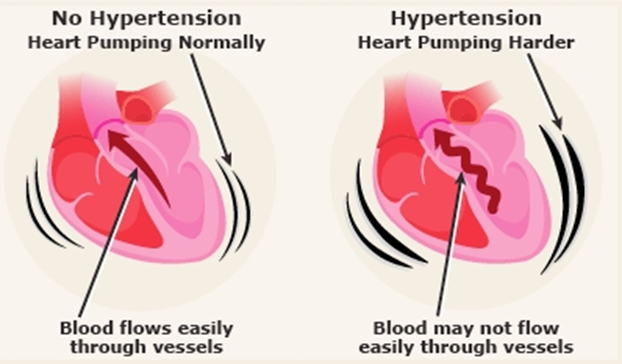
Hypertension: Hypertension, or high blood pressure, is the most common risk factor for placental abruption. Chronic hypertension or pregnancy-induced hypertension (preeclampsia) can damage the blood vessels in the placenta, leading to its premature separation. This condition can significantly increase the risk of placental abruption and is a critical factor to monitor in pregnant women.
Choice D reason:
Cigarette smoking: Smoking during pregnancy is another risk factor for placental abruption. Nicotine and other harmful substances in cigarettes can affect placental blood flow and increase the risk of abruption. However, like cocaine use, it is not the most common risk factor.
Correct Answer is D
Explanation
Choice A reason:
Drying the newborn with a warm blanket is an effective method to prevent heat loss through evaporation, not conduction. Evaporation occurs when moisture on the baby’s skin turns into vapor, which can cool the baby down. Using a warm blanket to dry the newborn helps to remove this moisture and keep the baby warm, but it does not specifically address heat loss via conduction.
Choice B reason:
Closing the doors to the delivery room helps to maintain a warm environment and prevent drafts, which can reduce heat loss through convection. Convection is the transfer of heat through air currents, and keeping the room warm can help to minimize this type of heat loss. However, this action does not directly address heat loss via conduction.
Choice C reason:
Wrapping the newborn in a blanket is another method to prevent heat loss through radiation and convection. By wrapping the baby, you create a barrier that helps to retain the baby’s body heat and protect against cooler air temperatures. While this is important for overall warmth, it does not specifically target heat loss via conduction.
Choice D reason:
Placing the newborn on a warm crib pad is the most effective method to prevent heat loss via conduction. Conduction is the transfer of heat from the baby’s body to a cooler surface. By using a warm crib pad, you ensure that the surface in contact with the baby is warm, thereby reducing the amount of heat lost through conduction. This method directly addresses the issue of heat loss via conduction and helps to keep the newborn warm.
Whether you are a student looking to ace your exams or a practicing nurse seeking to enhance your expertise , our nursing education contents will empower you with the confidence and competence to make a difference in the lives of patients and become a respected leader in the healthcare field.
Visit Naxlex, invest in your future and unlock endless possibilities with our unparalleled nursing education contents today