
A nurse is providing care for a client who is malnourished and appears exhausted. What data would cause the nurse to suspect the client is a victim of human trafficking? The client:
Is from another state and says they are here on a long vacation.
Has a cell phone that is not working in the emergency department.
Is accompanied by a family member who will not let the client answer questions.
Speaks another language and is in need of an interpreter to translate.
None
None
The Correct Answer is C
d. Speaks another language and is in need of an interpreter to translate.
The correct answer is c. Is accompanied by a family member who will not let the client answer questions.
Choice A Reason: Is from another state and says they are here on a long vacation
This choice is not necessarily indicative of human trafficking. While being from another state and claiming to be on a long vacation might raise some questions, it is not a definitive sign of trafficking. Many people travel for various reasons, and this alone does not suggest that the person is a victim of human trafficking.
Choice B Reason: Has a cell phone that is not working in the emergency department
This choice is also not a strong indicator of human trafficking. A non-working cell phone can be due to many reasons, such as technical issues or lack of service. While traffickers may sometimes control their victims’ communication devices, this alone is not enough to suspect trafficking.
Choice C Reason: Is accompanied by a family member who will not let the client answer questions
This choice is a strong indicator of human trafficking. Traffickers often control their victims’ interactions with others, including healthcare providers. If a family member or companion is overly controlling and does not allow the client to speak for themselves, it raises a significant red flag for potential trafficking. This behavior is often seen in trafficking situations to prevent the victim from disclosing their true circumstances.
Choice D Reason: Speaks another language and is in need of an interpreter to translate
This choice is not a definitive sign of human trafficking. Many people who are not victims of trafficking may speak another language and require an interpreter. While language barriers can complicate communication, they do not alone indicate trafficking. However, if combined with other signs, it could contribute to a suspicion of trafficking.
Nursing Test Bank
Naxlex Comprehensive Predictor Exams
Related Questions
Correct Answer is D
Explanation
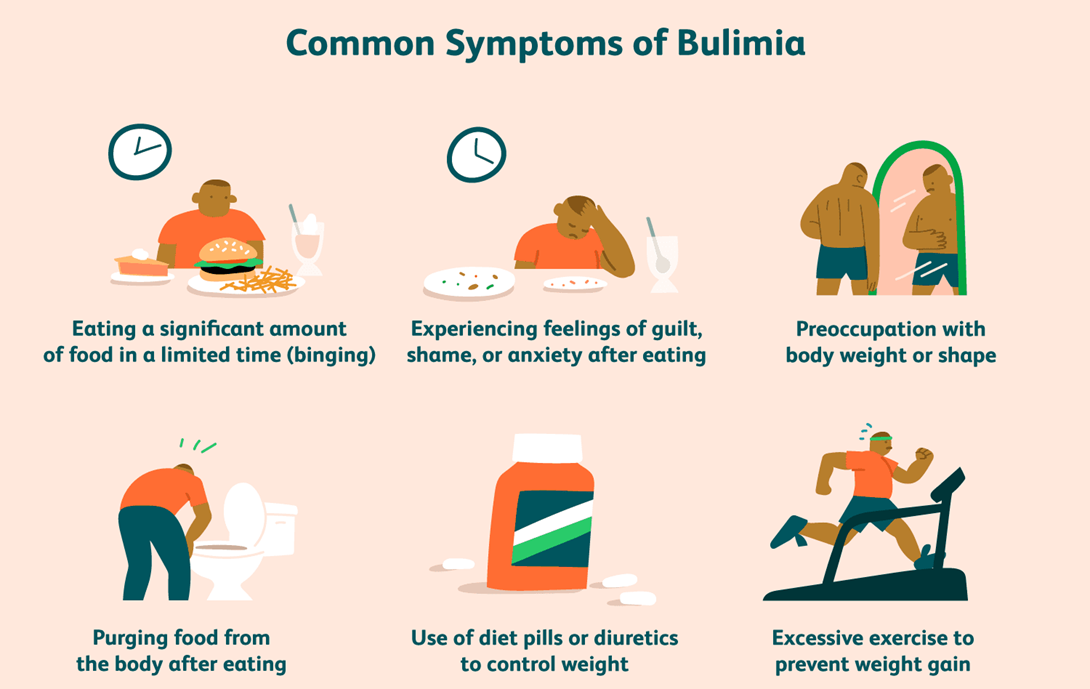
d. Emesis from purging corrodes the tooth enamel
Explanation of Choices
Choice A Reason: Food is Rapidly Ingested Without Proper Chewing
While individuals with bulimia nervosa may engage in rapid eating during binge episodes, this behavior alone does not directly cause dental deterioration. Rapid ingestion of food can lead to other gastrointestinal issues, but it is not the primary cause of dental problems seen in bulimia nervosa. The main dental issues arise from the purging behavior that follows binge eating.
Choice B Reason: Poor Dental and Oral Hygiene Leads to Dental Caries
Poor dental and oral hygiene can indeed lead to dental caries (cavities), but this is not the primary issue in bulimia nervosa. The dental deterioration observed in bulimia nervosa is more specifically related to the effects of repeated vomiting, which introduces stomach acid into the mouth. While maintaining good oral hygiene is important, it does not fully address the unique dental challenges posed by bulimia.
Choice C Reason: Purging Causes the Depletion of Dietary Calcium
Purging can lead to various nutritional deficiencies, including calcium, but the depletion of dietary calcium is not the main cause of dental deterioration in bulimia nervosa. The primary issue is the direct effect of stomach acid on the teeth. Calcium depletion can contribute to overall bone health issues, but it is not the specific cause of the dental erosion seen in bulimia.
Choice D Reason: Emesis from Purging Corrodes the Tooth Enamel
Emesis (vomiting) from purging is the primary cause of dental deterioration in bulimia nervosa. When individuals with bulimia vomit, stomach acid comes into contact with the teeth, leading to enamel erosion. This acid is highly corrosive and can wear away the protective enamel layer, resulting in increased tooth sensitivity, cavities, and other dental issues. This repeated exposure to stomach acid is the most significant factor in the dental deterioration observed in bulimia nervosa.
Correct Answer is ["2"]
Explanation
Step 1: Identify the dosage required and the concentration available.
- Required dosage: 40 mg
- Available concentration: 20 mg/mL
Step 2: Calculate the volume to be administered.
- Volume to be administered = Required dosage ÷ Available concentration
- Volume to be administered = 40 mg ÷ 20 mg/mL
Step 3: Perform the division.
- Volume to be administered = 40 ÷ 20
- Volume to be administered = 2 mL
Step 4: Round the answer to the nearest whole number (if necessary).
- Volume to be administered = 2 mL (no rounding needed)
The nurse should administer 2 mL.
Whether you are a student looking to ace your exams or a practicing nurse seeking to enhance your expertise , our nursing education contents will empower you with the confidence and competence to make a difference in the lives of patients and become a respected leader in the healthcare field.
Visit Naxlex, invest in your future and unlock endless possibilities with our unparalleled nursing education contents today