
Exhibits
Select the 3 dietary choices that are not part of the recommended diet for a client with gout.
Garlic
Liver
Spinach
Oatmeal
Chicken
Shrimp
Lentil
Quinoa
Oranges
Sardines
Correct Answer : B,F,J
A. Garlic is generally considered safe for individuals with gout.
B. Organ meats like liver are very high in purines and should be avoided in a diet for managing gout.
C. Spinach contains moderate amounts of purines, but newer research suggests that they may not increase the risk of gout attacks as much as once thought, and they provide other health benefits that can be weighed in dietary decisions.
D. Oatmeal is generally considered safe for individuals with gout.
E. Chicken is generally considered safe for individuals with gout.
F. Seafood, particularly shellfish like shrimp, is also high in purines and generally recommended to be limited or avoided in a gout diet.
G. Lentils contain moderate amounts of purines, but newer research suggests that they may not increase the risk of gout attacks as much as once thought, and they provide other health benefits that can be weighed in dietary decisions.
H. Quinoa is generally considered safe for individuals with gout.
I. Oranges is generally considered safe for individuals with gout.
J. Small oily fish such as sardines are another source of high purines and are often advised against in the diet of someone managing gout.
Nursing Test Bank
Naxlex Comprehensive Predictor Exams
Related Questions
Correct Answer is C
Explanation
A. Fentanyl and hydromorphone are potent opioids often used for pain management, but they are not typically first-line medications for acute chest pain associated with suspected myocardial infarction.
B. Hydromorphone, like fentanyl, is an opioid analgesic primarily used for moderate to severe pain but is not the first choice for managing acute chest pain.
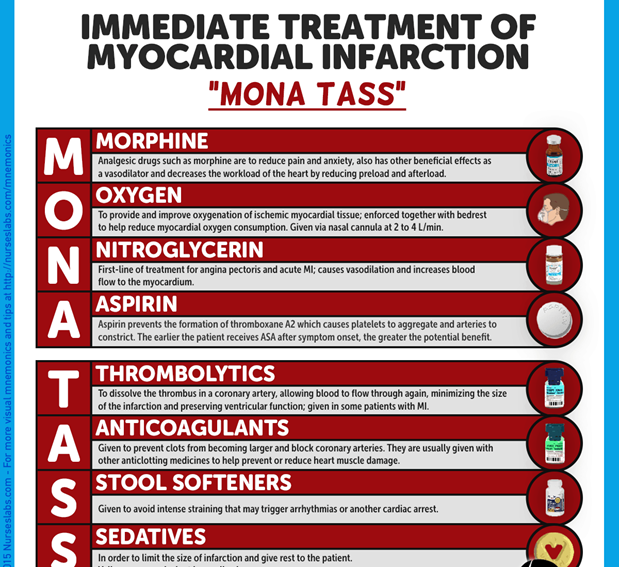
C. Morphine is the medication of choice for managing acute chest pain associated with myocardial infarction. It helps alleviate pain, reduce myocardial oxygen demand, and relieve anxiety.
D. Oxycodone is an opioid analgesic used for moderate to severe pain but is not typically indicated as first-line therapy for acute chest pain associated with myocardial infarction.
Correct Answer is {"dropdown-group-1":"D","dropdown-group-2":"B"}
Explanation
The rationale for selecting impaired gas exchange is based on the clinical manifestations presented by the client. The client's difficulty in breathing, the need to pause to catch breath, the ineffectiveness of the rescue inhaler, and the expressed feeling of nervousness during episodes are indicative of a compromised gas exchange. This is further supported by the objective data: an oxygen saturation of 88% on room air is below normal levels, suggesting that the client is not receiving adequate oxygen. Expiratory wheezes indicate an obstruction of airflow, commonly seen in asthma attacks, which can impair gas exchange. Therefore, the nurse's assessment and the client's symptoms align with the diagnosis of impaired gas exchange, necessitating immediate intervention to improve the client's respiratory function.
Whether you are a student looking to ace your exams or a practicing nurse seeking to enhance your expertise , our nursing education contents will empower you with the confidence and competence to make a difference in the lives of patients and become a respected leader in the healthcare field.
Visit Naxlex, invest in your future and unlock endless possibilities with our unparalleled nursing education contents today