
During a stress test on a treadmill, which observation by the nurse would necessitate immediate action?
Sinus tachycardia at a rate of 110 beats/min.
Blood pressure increase from 134/68 to 150/80 mm Hg.
The patient reports feeling tired.
Inversion of T waves on the electrocardiogram.
The Correct Answer is D
Choice A rationale
Sinus tachycardia at a rate of 110 beats/min is a normal response to exercise. During a stress test, the heart rate will naturally increase as the body’s demand for oxygen increases. A heart rate of 110 beats/min is within the expected range during moderate exercise.
Choice B rationale
An increase in blood pressure from 134/68 to 150/80 mm Hg is a normal response to exercise. During a stress test, blood pressure will naturally rise as the heart works harder to pump blood to the muscles. This increase is within the expected range during moderate exercise.
Choice C rationale
Feeling tired during a stress test on a treadmill is a normal response to exercise. Fatigue can occur as the body’s energy stores are used up during physical activity. However, if the patient reports extreme fatigue or other symptoms such as chest pain or shortness of breath, it may indicate a problem.
Choice D rationale
Inversion of T waves on the electrocardiogram during a stress test is a sign of myocardial ischemia, a condition in which the heart muscle is not getting enough oxygen. This could indicate the presence of significant coronary artery disease and is a finding that would necessitate immediate action.
Nursing Test Bank
Naxlex Comprehensive Predictor Exams
Related Questions
Correct Answer is C
Explanation
Choice A rationale
A Ventricular septal defect (VSD) is a hole in the wall separating the two lower chambers of the heart. While it can cause cyanosis, it would not typically cause cyanosis only during crying or after feeding.
Choice B rationale
An Atrioventricular canal (AVC) defect is a combination of heart problems resulting in a defect in the center of the heart. While it can cause cyanosis, it would not typically cause cyanosis only during crying or after feeding.
Choice C rationale
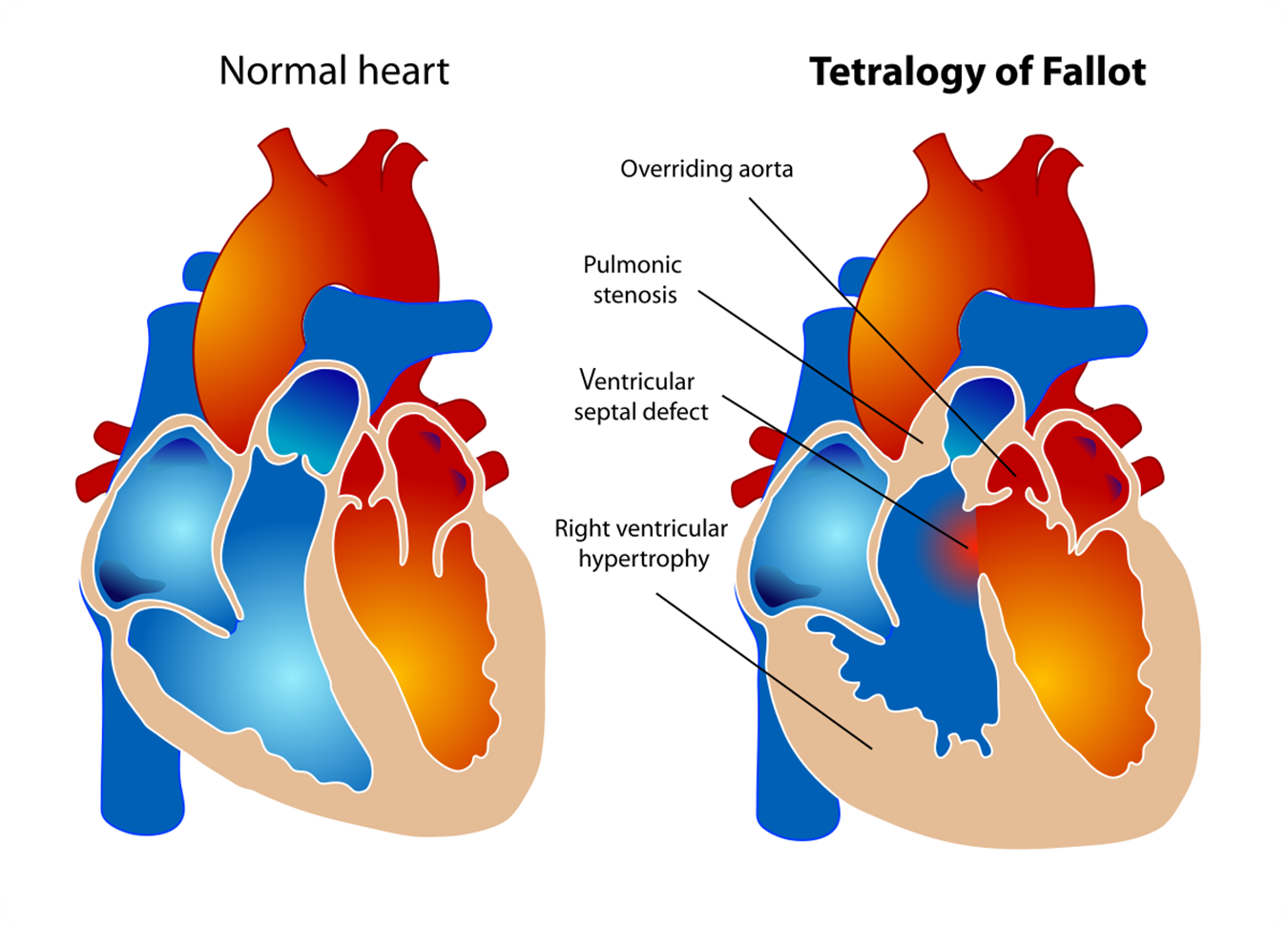
Tetralogy of Fallot is a rare condition caused by a combination of four heart defects that are present at birth. These defects, which affect the structure of the heart, cause oxygen-poor blood to flow out of the heart and into the rest of the body. Infants and children with Tetralogy of Fallot usually have blue-tinged skin because their blood doesn’t carry enough oxygen. This is often more noticeable during episodes of crying or feeding.
Choice D rationale
An Atrial septal defect (ASD) is a hole in the wall between the two upper chambers of your heart (atria). The condition is present at birth (congenital). Small defects might be found by chance and never cause a problem. Some small atrial septal defects close during infancy or early childhood. While it can cause cyanosis, it would not typically cause cyanosis only during crying or after feeding.
Correct Answer is D
Explanation
Choice A rationale
The diaphragm is not typically the location of a coarctation of the aorta. The diaphragm is a muscle that helps with breathing and separates the chest cavity from the abdominal cavity.
Choice B rationale
The bifurcation into the common iliac arteries is not typically the location of a coarctation of the aorta. The common iliac arteries are located in the lower part of the aorta and supply blood to the pelvis and legs.
Choice C rationale
The aortic valve is not typically the location of a coarctation of the aorta. The aortic valve is located between the left ventricle of the heart and the aorta.
Choice D rationale
The ductus arteriosus is the correct answer. Coarctation of the aorta often occurs near the ductus arteriosus, a blood vessel that connects the left pulmonary artery to the aorta.
Whether you are a student looking to ace your exams or a practicing nurse seeking to enhance your expertise , our nursing education contents will empower you with the confidence and competence to make a difference in the lives of patients and become a respected leader in the healthcare field.
Visit Naxlex, invest in your future and unlock endless possibilities with our unparalleled nursing education contents today