
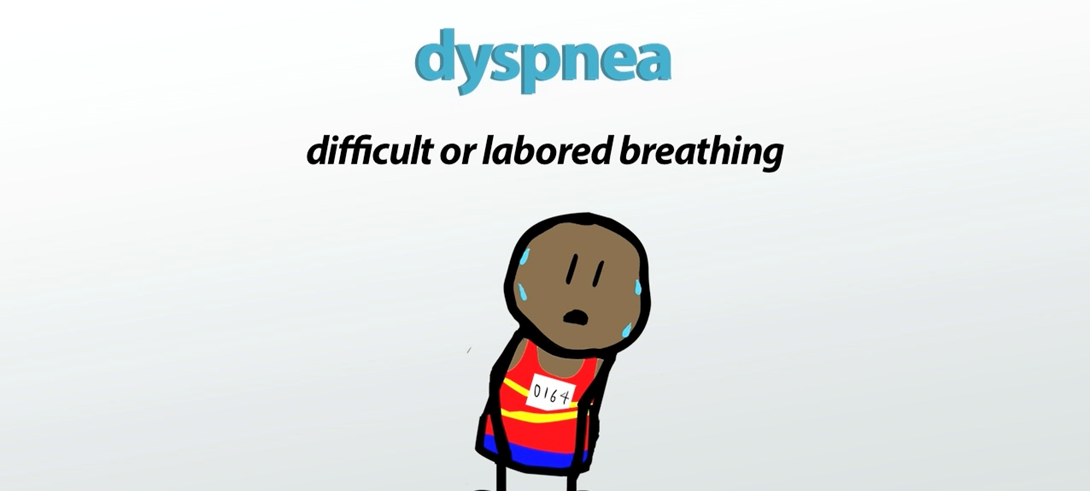
An older adult diagnosed with heart failure (HF) reports increasing dyspnea over 2 days. Which of the following should the nurse assess to help determine whether the client has adhered to prescribed therapy? (Select all that apply.)
Determine coughing frequency.
Check for peripheral edema.
Auscultate the lungs bilaterally.
Assess diet over the last 48 hours.
Compare current weight to baseline.
Correct Answer : B,C,D,E
Choice A reason: Determining coughing frequency is not a reliable way to assess whether the client has adhered to prescribed therapy, as coughing can have various causes and may not be related to heart failure or its treatment.
Choice B reason: Checking for peripheral edema is a useful way to assess whether the client has adhered to prescribed therapy, as peripheral edema is a common sign of fluid retention and worsening heart failure. If the client has been taking diuretics as prescribed, the edema should be reduced or absent.
Choice C reason: Auscultating the lungs bilaterally is a helpful way to assess whether the client has adhered to prescribed therapy, as lung sounds can indicate the presence or absence of pulmonary congestion and crackles, which are signs of fluid overload and worsening heart failure. If the client has been taking medications to improve cardiac function and reduce fluid volume as prescribed, the lungs should be clear or improved.
Choice D reason: Assessing diet over the last 48 hours is a relevant way to assess whether the client has adhered to prescribed therapy, as diet can affect fluid and sodium intake and retention, which can worsen heart failure. If the client has been following a low-sodium and fluid-restricted diet as prescribed, the risk of fluid overload and dyspnea should be lower.
Choice E reason: Comparing current weight to baseline is an important way to assess whether the client has adhered to prescribed therapy, as weight can reflect fluid status and changes in heart failure condition. If the client has been taking medications and following dietary recommendations as prescribed, the weight should be stable or decreased.
Nursing Test Bank
Naxlex Comprehensive Predictor Exams
Related Questions
Correct Answer is ["A","B","E","F"]
Explanation
Choice A reason: Diaphoresis is a common symptom of hypoglycemia, as the body tries to increase blood flow and release adrenaline to raise blood sugar levels. The client may notice sweating on the face, palms, or underarms.
Choice B reason: Anxiety is a common symptom of hypoglycemia, as the low blood sugar affects the brain and nervous system. The client may feel nervous, restless, or fearful.
Choice C reason: Tachycardia is not a reliable symptom of hypoglycemia for this client, as he is taking metoprolol, a beta-blocker that lowers the heart rate. Metoprolol can mask the signs of hypoglycemia, such as palpitations, tremors, and increased heart rate.
Choice D reason: Impaired vision is not a reliable symptom of hypoglycemia for this client, as he is an older adult who may have other eye problems, such as cataracts, glaucoma, or macular degeneration. Impaired vision can also be caused by other factors, such as fatigue, stress, or medication side effects.
Choice E reason: Confusion is a common symptom of hypoglycemia, as the low blood sugar affects the brain and cognitive function. The client may have difficulty thinking clearly, remembering things, or making decisions.
Choice F reason: Dizziness is a common symptom of hypoglycemia, as the low blood sugar affects the balance and coordination. The client may feel lightheaded, faint, or unsteady.
Correct Answer is D
Explanation
Choice A reason: This is incorrect because 120/80 mm Hg is a normal blood pressure, not a high risk factor for diabetes mellitus. High blood pressure, or hypertension, is a common complication of diabetes mellitus, as it can damage the blood vessels and increase the risk of cardiovascular disease. However, having a normal blood pressure does not rule out the possibility of having diabetes mellitus, as other factors, such as blood sugar level, family history, or lifestyle, can also influence the risk.
Choice B reason: This is incorrect because total cholesterol 198 mg/dL is a borderline high cholesterol level, not a high risk factor for diabetes mellitus. High cholesterol, or hyperlipidemia, is a common complication of diabetes mellitus, as it can affect the metabolism of fats and increase the risk of atherosclerosis and cardiovascular disease. However, having a borderline high cholesterol level does not confirm the diagnosis of diabetes mellitus, as other factors, such as blood sugar level, family history, or lifestyle, can also influence the risk.
Choice C reason: This is incorrect because palpable peripheral pulses are a normal finding, not a high risk factor for diabetes mellitus. Peripheral pulses are the pulsations of the arteries that can be felt in the extremities, such as the wrists or ankles. Palpable peripheral pulses indicate that the blood flow to the extremities is adequate and not compromised by diabetes mellitus. However, having palpable peripheral pulses does not rule out the possibility of having diabetes mellitus, as other factors, such as blood sugar level, family history, or lifestyle, can also influence the risk.
Choice D reason: This is correct because 68 years of age is a high risk factor for diabetes mellitus. Age is one of the non-modifiable risk factors for diabetes mellitus, as the risk increases with advancing age. This is because aging can affect the insulin production and sensitivity, as well as the body composition and function. Older adults are more likely to have diabetes mellitus than younger adults, especially if they have other risk factors, such as obesity, family history, or sedentary lifestyle. Therefore, 68 years of age is a high risk factor for diabetes mellitus.
Whether you are a student looking to ace your exams or a practicing nurse seeking to enhance your expertise , our nursing education contents will empower you with the confidence and competence to make a difference in the lives of patients and become a respected leader in the healthcare field.
Visit Naxlex, invest in your future and unlock endless possibilities with our unparalleled nursing education contents today