
An adult client who had a gastric bypass surgery 2 weeks ago, is admitted with possible anastomosis leakage. The client's abdomen is tender to touch, and the vital signs are: temperature 101° F (38.3° C), heart rate 130 beats/minute, respiratory rate 26 breaths/minute, and blood pressure 100/50 mmHg Which intervention is most important for the nurse to include in the client's plan of care?
Encourage regular turning.
Monitor skin for breakdown
Assess wound drainage daily.
Strict IV fluid replacement.
The Correct Answer is D
A. Encourage regular turning:
While turning is important for preventing complications like pressure ulcers, in this acute situation, addressing fluid imbalance and potential sepsis take precedence.
B. Monitor skin for breakdown:
Monitoring for skin breakdown is essential but is not the most critical intervention at this moment.
C. Assess wound drainage daily:
Daily assessment of wound drainage is important for evaluating the status of the surgical site. However, in this situation of potential anastomosis leakage with signs of systemic infection and hypotension, immediate interventions to stabilize the client's condition are of higher priority.
D. Strict IV fluid replacement:
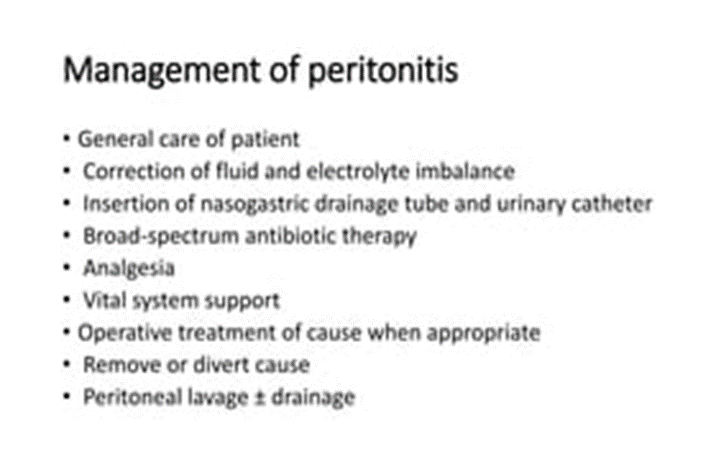
This is the correct answer. The client is displaying signs of systemic infection (fever) and possible sepsis (tachycardia, hypotension), which might be due to an anastomosis leakage following gastric bypass surgery. Ensuring adequate IV fluid replacement is crucial to address hypotension, maintain perfusion, and support hemodynamic stability in this critical situation.
Nursing Test Bank
Naxlex Comprehensive Predictor Exams
Related Questions
Correct Answer is B
Explanation
A. Administer a prescribed sedative:
Sedatives may depress the respiratory drive, which can be detrimental in a client with respiratory distress. It is not the appropriate intervention in this case.
B. Assist the client to an upright position.
Positioning the client upright helps improve respiratory mechanics by reducing the pressure on the diaphragm and allowing better lung expansion. This position can enhance the efficiency of breathing and alleviate symptoms of breathlessness.
C. Encourage the client to drink water:
While maintaining hydration is important, it may not directly address the immediate respiratory distress. Addressing the respiratory symptoms with an upright position is more crucial at this moment.
D. Apply a high-flow venturi mask:
While oxygen therapy may be necessary for a client with COPD experiencing respiratory distress, the first step is to assist the client to an upright position to improve respiratory mechanics. Applying a high-flow venturi mask may be a subsequent intervention based on the overall assessment, but positioning is the initial priority.
Correct Answer is D
Explanation
A. Type 2 diabetes mellitus
Type 2 diabetes mellitus is not a contraindication for peritoneal dialysis. In fact, peritoneal dialysis can be a suitable option for individuals with diabetes who require renal replacement therapy. However, the presence of diabetes may require additional considerations and close monitoring.
B. Nephrotic syndrome history
Having a history of nephrotic syndrome is not a contraindication for peritoneal dialysis. Peritoneal dialysis can be used in individuals with various causes of chronic kidney disease, including those with nephrotic syndrome.
C. Latent hepatitis C
Latent hepatitis C alone may not be an absolute contraindication for peritoneal dialysis. However, the decision to initiate peritoneal dialysis would depend on the overall health status of the client, the degree of liver involvement, and the risk of infection. Close monitoring and appropriate precautions may be necessary.
D. Crohn's disease with colectomy
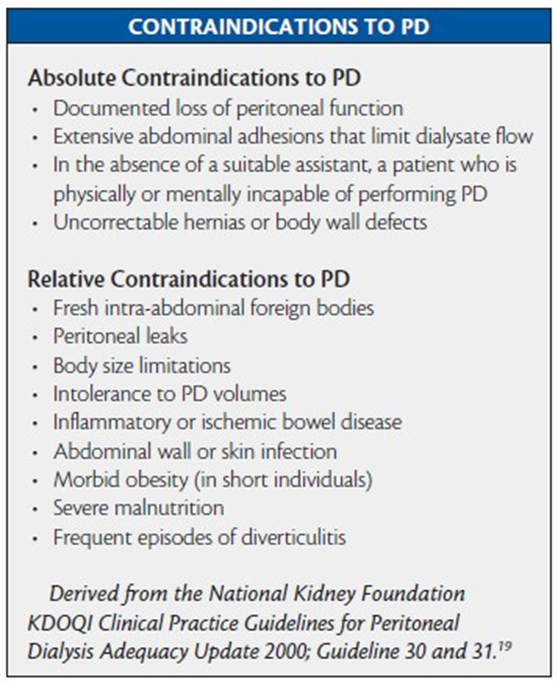
Crohn's disease with colectomy is considered a contraindication for peritoneal dialysis. Surgical alterations in the abdomen, such as colectomy, can lead to adhesions or other complications that may interfere with the effectiveness of peritoneal dialysis. In such cases, alternative forms of dialysis, such as hemodialysis, may be considered.
Whether you are a student looking to ace your exams or a practicing nurse seeking to enhance your expertise , our nursing education contents will empower you with the confidence and competence to make a difference in the lives of patients and become a respected leader in the healthcare field.
Visit Naxlex, invest in your future and unlock endless possibilities with our unparalleled nursing education contents today