
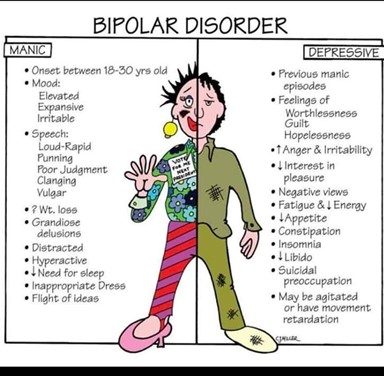
An acute mental health whit is admitting a client who has bipolar disorder. Which of the following findings supports the admitting diagnosis of acute mania?
The client responds to questions with disorganized speech.
The client reports that voices are telling him to write a novel.
The client's spouse reports that client has recently gained weight.
The client is dressed in all black.
The Correct Answer is A
A. The client responds to questions with disorganized speech:
Disorganized speech is a hallmark of acute mania, often reflecting racing thoughts, pressured speech, and difficulty staying on topic.
B. The client reports that voices are telling him to write a novel:
Reporting that voices are telling the client to write a novel suggests auditory hallucinations, which can occur in various psychiatric conditions, not specifically indicative of acute mania.
C. The client's spouse reports that the client has recently gained weight:
Weight gain is not a typical hallmark of acute mania. In fact, during manic episodes, individuals might experience decreased appetite and sleep, leading to potential weight loss.
D. The client is dressed in all black:
Dressing in all black is not a specific sign of acute mania. While changes in clothing choices or appearance can sometimes be associated with mood changes, this finding alone is not indicative of acute mania.
Nursing Test Bank
Naxlex Comprehensive Predictor Exams
Related Questions
Correct Answer is ["0.75"]
Explanation
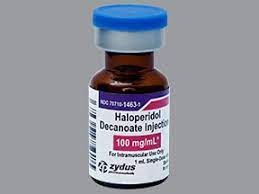
To calculate the volume (ml) of haloperidol decanoate needed for a dose of 75 mg, you can use the following formula:
Volume (ml) = Dose (mg) / Concentration (mg/ml)
Given:
Dose = 75 mg
Concentration = 100 mg/ml
Plugging in the values:
Volume (ml) = 75 mg / 100 mg/ml
Volume (ml) = 0.75 ml
Rounding to the nearest hundredth:
Volume (ml) = 0.75 ml
So, the nurse should administer 0.75 ml of haloperidol decanoate for the dose of 75 mg.
Correct Answer is C
Explanation
A) "I haven't gotten my period yet, and all my friends have theirs."
While the concern about not having gotten her period yet is a valid one, it's a common experience during adolescence. Variability in the timing of puberty is normal, and addressing this concern might involve providing reassurance and education about the natural range of development.
B) "There's a big pimple on my face, and I worry that everyone will notice it."
While concerns about physical appearance are common during adolescence, they are less urgent in terms of emotional and psychological well-being. Addressing body image issues is important, but the statement about lack of social acceptance and reciprocal liking indicates potentially deeper emotional challenges.
C) "None of the kids at this school like me, and I don't like them either."
Explanation:
Adolescence is a time of significant emotional and social development. The statement about not being liked by other students and not liking them in return indicates potential social isolation and difficulties in forming positive relationships. Adolescents often seek social acceptance and peer relationships are crucial for their well-being and development.
D) "My parents treat me like a baby sometimes."
This statement suggests a common parent-adolescent dynamic where there might be conflicts about independence and autonomy. While these feelings are valid, they don't necessarily reflect a higher priority concern related to social isolation and peer relationships.
Whether you are a student looking to ace your exams or a practicing nurse seeking to enhance your expertise , our nursing education contents will empower you with the confidence and competence to make a difference in the lives of patients and become a respected leader in the healthcare field.
Visit Naxlex, invest in your future and unlock endless possibilities with our unparalleled nursing education contents today