
A patient has been admitted with a diagnosis of “hypertensive emergency”, with a blood pressure of 198/110 mmHg and a heart rate of 78 bpm.
Which medications would the nurse anticipate being prescribed to the patient in the ICU setting to lower the patient’s blood pressure? (Select all that apply)
Nitroglycerin IV gtt, titrate for SBP > 180mmHg
Labetalol (Normodyne) 10mg IVPq 10 minutes prn for SBP >170 mmHg
Cardizem (Diltiazem) IV gtt, titrate for SBP> 170mmHg
Nitroprusside (Nitropress) IV gtt titrate to keep SBP< 160 mmHg
Correct Answer : A,B,D
Rationale for Choice A: Nitroglycerin IV gtt, titrate for SBP > 180mmHg
Mechanism of action: Nitroglycerin is a potent vasodilator that acts primarily on veins, but also has some arterial vasodilatory effects. It relaxes vascular smooth muscle by stimulating the production of nitric oxide, which causes vasodilation. This decrease in preload (venous return to the heart) and afterload (resistance against which the heart pumps) leads to a reduction in blood pressure.
Indications: Nitroglycerin is a preferred agent for hypertensive emergencies associated with acute heart failure, acute coronary syndromes, and aortic dissection. It is also effective in hypertensive emergencies with elevated intracranial pressure.
Dosage and administration: Nitroglycerin is typically administered as an intravenous infusion, starting at a low dose and titrating up based on blood pressure response. The goal is to titrate the medication to maintain systolic blood pressure below 180 mmHg.
Contraindications: Nitroglycerin is contraindicated in patients with a known hypersensitivity to nitrates, severe hypotension (systolic blood pressure < 90 mmHg), or those who have recently used phosphodiesterase-5 inhibitors (such as sildenafil).
Monitoring: During nitroglycerin infusion, it's essential to monitor blood pressure closely, as well as heart rate, for any signs of hypotension or tachycardia.
Rationale for Choice B: Labetalol (Normodyne) 10mg IVP q 10 minutes prn for SBP >170 mmHg
Mechanism of action: Labetalol is a mixed alpha- and beta-adrenergic blocker. It blocks the effects of norepinephrine and epinephrine, leading to vasodilation and a decrease in heart rate.
Indications: Labetalol is a versatile agent that can be used in various hypertensive emergencies, including those associated with acute aortic dissection, acute coronary syndromes, and pre-eclampsia/eclampsia. It's also useful in patients with a history of asthma or chronic obstructive pulmonary disease (COPD), as it has less bronchoconstrictive effects than beta-blockers like propranolol.
Dosage and administration: Labetalol can be administered as an intravenous bolus or infusion. In this scenario, it's prescribed as a 10mg intravenous push every 10 minutes as needed for systolic blood pressure greater than 170 mmHg.
Contraindications: Labetalol is contraindicated in patients with severe bradycardia, heart block, cardiogenic shock, or decompensated heart failure.
Monitoring: During labetalol administration, it's important to monitor blood pressure, heart rate, and electrocardiogram (ECG) for any signs of bradycardia, heart block, or other arrythmias.
Rationale for Choice D: Nitroprusside (Nitropress) IV gtt titrate to keep SBP < 160 mmHg
Mechanism of action: Nitroprusside is a potent vasodilator that acts directly on both arterioles and veins. It relaxes vascular smooth muscle by releasing nitric oxide, leading to a rapid and profound decrease in blood pressure.
Indications: Nitroprusside is often reserved for hypertensive emergencies that are refractory to other agents or those that require rapid blood pressure control, such as hypertensive encephalopathy or acute aortic dissection.
Dosage and administration: Nitroprusside is administered as an intravenous infusion and titrated to the desired blood pressure response. The goal is to keep systolic blood pressure below 160 mmHg.
Contraindications: Nitroprusside is contraindicated in patients with severe renal impairment or those with increased intracranial pressure.
Monitoring: Nitroprusside therapy requires close monitoring of blood pressure, as well as monitoring for thiocyanate toxicity (a metabolite of nitroprusside) in patients with prolonged infusion or renal impairment.
Nursing Test Bank
Naxlex Comprehensive Predictor Exams
Related Questions
Correct Answer is C
Explanation
Choice A rationale:
Insulin resistance is a condition in which the body's cells become less responsive to insulin, requiring more insulin to maintain normal blood glucose levels.
It's primarily caused by factors such as obesity, physical inactivity, and genetic predisposition. Rotating injection sites does not directly address these underlying causes of insulin resistance.
It can help ensure consistent insulin absorption, but it's not the primary mechanism for preventing insulin resistance.
Choice B rationale:
Allergic reactions to insulin are rare but can occur.
They typically manifest as localized symptoms at the injection site, such as redness, swelling, itching, or pain.
In severe cases, systemic reactions like hives, difficulty breathing, or anaphylaxis can occur.
Rotating injection sites might reduce the risk of localized allergic reactions by preventing repeated exposure to insulin in the same area of skin.
However, it does not prevent systemic allergic reactions, which are immune-mediated and not dependent on the injection site.
Choice C rationale:
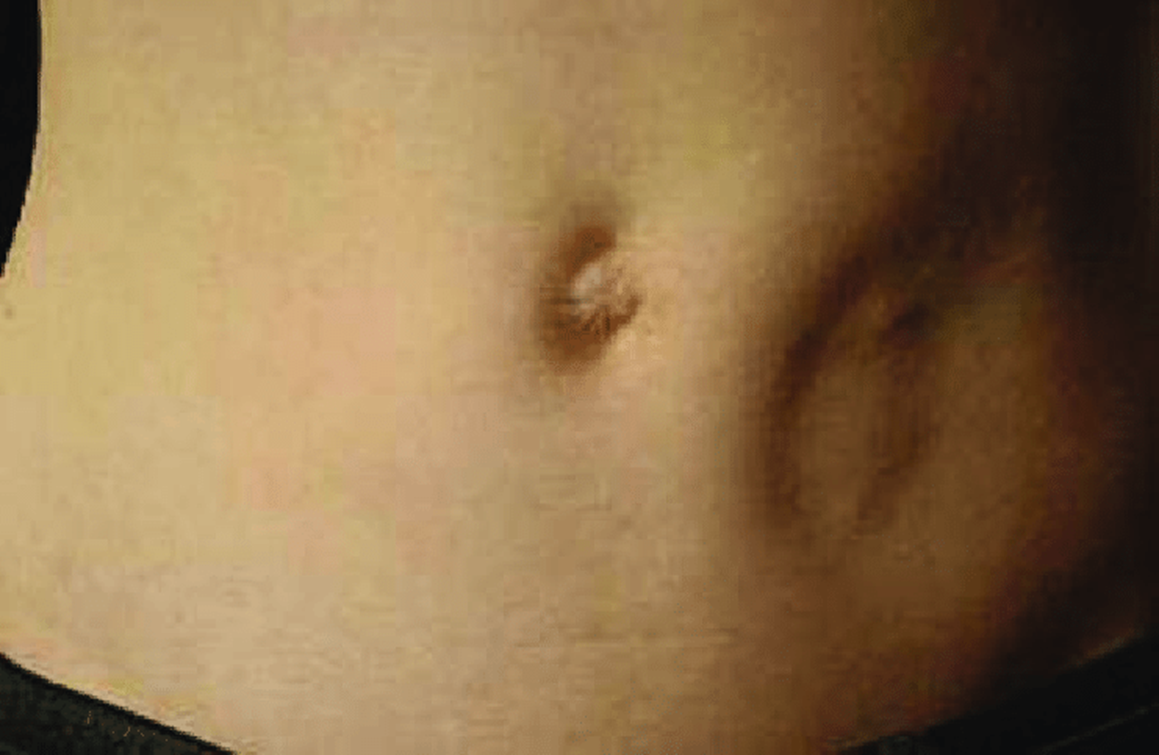
Lipodystrophy is a condition characterized by abnormal changes in fat distribution under the skin. It can occur as a complication of repeated insulin injections at the same site.
There are two main types of lipodystrophy:
Lipohypertrophy: This involves the accumulation of excess fatty tissue at injection sites, creating visible lumps or bumps. Lipoatrophy: This involves the loss of fatty tissue at injection sites, leading to depressions or indentations in the skin.
Both lipohypertrophy and lipoatrophy can interfere with insulin absorption, leading to unpredictable blood glucose control.
Rotating injection sites helps to prevent lipodystrophy by distributing insulin injections over a wider area of skin, reducing the likelihood of repeated trauma to the same tissue.
Choice D rationale:
Insulin shock, also known as hypoglycemia, is a condition that occurs when blood glucose levels drop too low.
It can be caused by several factors, including excessive insulin dosing, missed meals, or increased physical activity. Rotating injection sites does not directly affect the risk of insulin shock.
It's essential for individuals using insulin to monitor their blood glucose levels regularly, adjust insulin doses as needed, and follow a balanced diet and exercise plan to prevent hypoglycemia.
Correct Answer is D
Explanation
Choice A rationale:
Stevens-Johnson syndrome (SJS) is a rare, serious skin condition that is typically caused by an allergic reaction to medication. While amiodarone has been associated with a few cases of SJS, it is not considered a common long-term side effect.
Choice B rationale:
Ventricular tachycardia (VT) is a type of fast heart rhythm that originates in the ventricles of the heart. Amiodarone is actually used to treat VT, so it would be counterintuitive to list it as a long-term side effect.
Choice C rationale:
Pulmonary fibrosis is a condition characterized by scarring of the lung tissue. While amiodarone can cause pulmonary toxicity, which includes pulmonary fibrosis, this is a relatively rare side effect. Moreover, it's usually associated with high doses or
long-term use of the medication.
Choice D rationale:
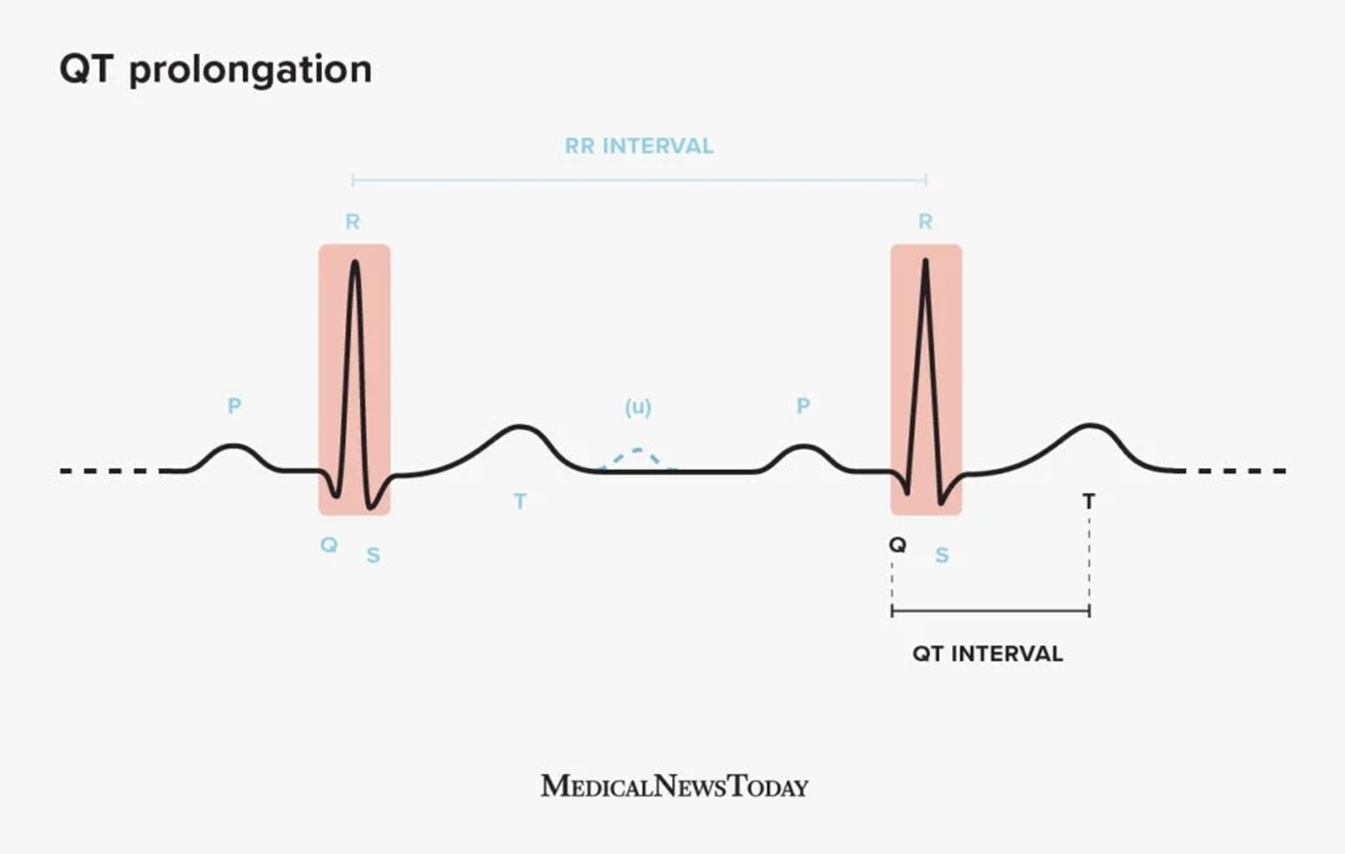
QT prolongation is a condition in which the heart's electrical activity takes longer than normal to recharge between beats. This can lead to a potentially fatal arrhythmia called torsades de pointes. Amiodarone is known to prolong the QT interval, and this is considered one of its most significant long-term side effects. It's important to monitor patients on amiodarone for QT prolongation and to adjust the dose or discontinue the medication if necessary.
Whether you are a student looking to ace your exams or a practicing nurse seeking to enhance your expertise , our nursing education contents will empower you with the confidence and competence to make a difference in the lives of patients and become a respected leader in the healthcare field.
Visit Naxlex, invest in your future and unlock endless possibilities with our unparalleled nursing education contents today