
A nurse is teaching a group of healthy older adult clients about dietary needs. Which of the following statements should the nurse include in the teaching?
"Older adults should decrease their vitamin D intake."
"Older adults should decrease their calorie intake."
"Older adults should decrease their protein intake."
"Older adults should decrease their fiber intake."
The Correct Answer is B
Choice B reason: Older adults should decrease their calorie intake as their metabolic rate and physical activity tend to decline with age. Excess calories can lead to weight gain and increase the risk of chronic diseases such as diabetes, cardiovascular disease, and some cancers. Older adults should aim for a balanced diet that meets their nutritional needs without exceeding their energy requirements.
Choice A reason: Older adults should not decrease their vitamin D intake, as vitamin D is essential for bone health and immune function. Older adults are at risk of vitamin D deficiency due to reduced sun exposure, decreased skin synthesis, and impaired absorption. Vitamin D deficiency can cause osteoporosis, fractures, muscle weakness, and infections. Older adults should consume adequate amounts of vitamin D from fortified foods, supplements, or sun exposure.
Choice C reason: Older adults should not decrease their protein intake, as protein is important for maintaining muscle mass, strength, and function. Older adults are prone to sarcopenia, which is the loss of muscle mass and quality due to aging. Sarcopenia can impair mobility, balance, and independence. Older adults should consume enough protein from animal or plant sources to prevent or delay sarcopenia.
Choice D reason: Older adults should not decrease their fiber intake, as fiber is beneficial for digestive health and blood glucose control. Older adults often suffer from constipation, diverticular disease, and diabetes, which can be alleviated by increasing fiber intake. Fiber can also lower cholesterol levels and reduce the risk of heart disease and some cancers. Older adults should consume at least 25 grams of fiber per day from fruits, vegetables, whole grains, legumes, nuts, and seeds.
Nursing Test Bank
Naxlex Comprehensive Predictor Exams
Related Questions
Correct Answer is A
Explanation
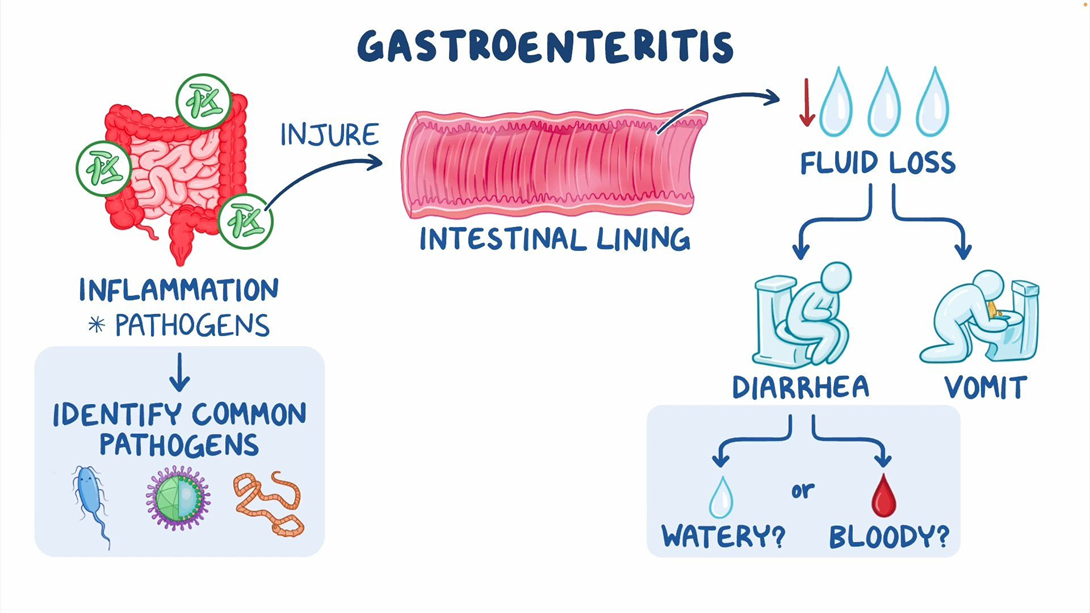
Choice A reason: Confusion and weakness are signs of dehydration and electrolyte imbalance, which can result from vomiting and diarrhea. These are serious complications that can affect the client's mental status, blood pressure, heart rate, and kidney function. The nurse should report these changes to the provider and monitor the client's vital signs and fluid status.
Choice B reason: Dry oral mucosa and furrowed tongue are also signs of dehydration, but they are less severe than confusion and weakness. The nurse should report these changes to the provider as well, but they are not the most urgent ones.
Choice C reason: Clear lungs bilaterally are a normal finding and do not indicate any change in the client's condition. The nurse should document this finding, but it does not require reporting to the provider.
Choice D reason: A soft and non-tender abdomen is a normal finding and does not indicate any change in the client's condition. The nurse should document this finding, but it does not require reporting to the provider.
Correct Answer is B
Explanation
Choice A reason: Reducing caloric intake by 200 calories a day may not be enough to achieve significant weight loss for a client who is obese. The recommended daily calorie deficit for weight loss is 500 to 750 calories, which can result in a loss of 1 to 1.5 pounds per week¹.
Choice B reason: Losing 5 percent of body weight can improve glycemic control and reduce the need for glucose-lowering medications for a client who has type 2 diabetes. Studies have shown that weight loss of 5 to 10 percent can lower HbA1c levels by 0.5 to 1.0 percentage points².
Choice C reason: Exercising for 30 minutes three times a week may not be sufficient to lose 1 pound per week. The recommended amount of physical activity for weight loss is at least 150 minutes of moderate-intensity aerobic exercise per week, plus resistance training at least twice a week³.
Choice D reason: Drinking 16 ounces of apple juice is not advisable if the blood glucose level drops during exercise, as it can cause hyperglycemia. Apple juice contains about 48 grams of carbohydrates, which is equivalent to four servings of glucose tablets⁴. The recommended treatment for hypoglycemia is to consume 15 to 20 grams of fast-acting carbohydrates, such as glucose tablets, gel, or juice, and recheck the blood glucose level after 15 minutes⁵.
Whether you are a student looking to ace your exams or a practicing nurse seeking to enhance your expertise , our nursing education contents will empower you with the confidence and competence to make a difference in the lives of patients and become a respected leader in the healthcare field.
Visit Naxlex, invest in your future and unlock endless possibilities with our unparalleled nursing education contents today