
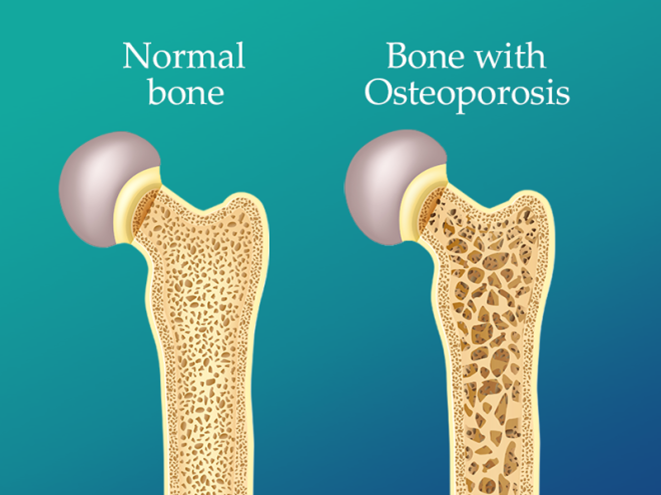
A nurse is teaching a group of clients about dietary needs to prevent osteoporosis. Which of the following dietary choices should the nurse recommend as having the highest calcium content?
1 cup green grapes
One medium banana
1 cup broccoli
One large tomato
The Correct Answer is C
Choice A reason: 1 cup green grapes has about 15 mg of calcium, which is low compared to other foods. Green grapes are also a good source of vitamin C, potassium, and antioxidants.
Choice B reason: One medium banana has about 6 mg of calcium, which is very low compared to other foods. Banana is also a good source of potassium, fiber, and vitamin B6.
Choice C reason: 1 cup broccoli has about 180 mg of calcium, which is high compared to other foods. Broccoli is also a good source of vitamin C, folate, and antioxidants.
Choice D reason: One large tomato has about 18 mg of calcium, which is low compared to other foods. Tomato is also a good source of vitamin C, lycopene, and potassium.
Nursing Test Bank
Naxlex Comprehensive Predictor Exams
Related Questions
Correct Answer is D
Explanation
Choice A reason: Skim milk is not an appropriate snack choice for a 9-month-old infant. Infants under 12 months of age should not consume cow's milk, as it can cause iron deficiency, gastrointestinal bleeding, and allergic reactions. Infants should be breastfed or formula-fed until they are 12 months old.
Choice B reason: Unsalted popcorn is not an appropriate snack choice for a 9-month-old infant. Popcorn is a choking hazard for infants, as it can easily get stuck in their throat or lungs. Infants should not be given any hard, round, or sticky foods that can cause choking.
Choice C reason: Raw carrots are not an appropriate snack choice for a 9-month-old infant. Raw carrots are also a choking hazard for infants, as they are hard and difficult to chew and swallow. Infants should be given soft, cooked, or pureed vegetables that can be easily mashed with their gums.
Choice D reason: Graham crackers are an appropriate snack choice for a 9-month-old infant. Graham crackers are soft, easy to chew and swallow, and provide carbohydrates and energy. They can also help infants practice their self-feeding skills and finger coordination.
Correct Answer is A
Explanation
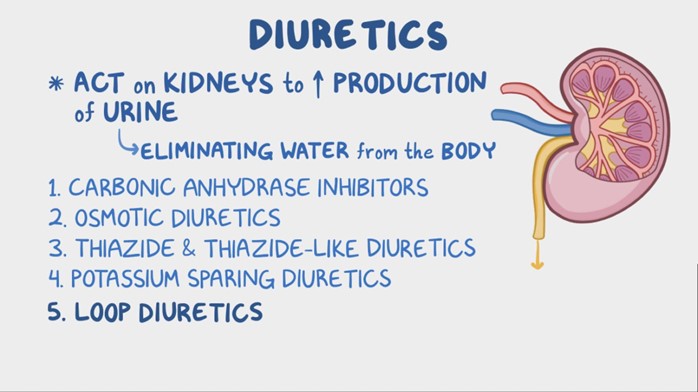
Choice A reason: Navy beans and ham are good sources of potassium, which can help prevent hypokalemia, a common side effect of some diuretics. Hypokalemia can cause muscle weakness, cramps, fatigue, and cardiac arrhythmias.
Choice B reason: Cheddar cheese is high in sodium, which can cause fluid retention and increase blood pressure. Sodium intake should be limited when taking diuretics, as they can also cause hyponatremia, a condition of low sodium levels in the blood.
Choice C reason: Beef broth is also high in sodium, which can have the same effects as cheddar cheese. In addition, beef broth is high in purines, which can increase uric acid levels and cause gout, another possible side effect of some diuretics.
Choice D reason: Baked potato is high in carbohydrates, which can raise blood glucose levels and worsen diabetes, a risk factor for hypertension. Some diuretics can also cause hyperglycemia, a condition of high blood glucose levels in the blood.
Whether you are a student looking to ace your exams or a practicing nurse seeking to enhance your expertise , our nursing education contents will empower you with the confidence and competence to make a difference in the lives of patients and become a respected leader in the healthcare field.
Visit Naxlex, invest in your future and unlock endless possibilities with our unparalleled nursing education contents today