
A nurse is teaching a client who has food allergies about safe food handling. Which of the following recommendations should the nurse make for the client?
Tuna can
Gravy beef
Apple pie
Bread
The Correct Answer is C
Choice A reason: Tuna can is not a safe food choice for a client who has food allergies because it may contain traces of other fish or shellfish that can trigger an allergic reaction. Tuna can should be avoided or checked for allergen labels before consuming.
Choice B reason: Gravy beef is not a safe food choice for a client who has food allergies because it may contain gluten, soy, or dairy products that can trigger an allergic reaction. Gravy beef should be avoided or checked for allergen labels before consuming.
Choice C reason: Apple pie is a safe food choice for a client who has food allergies because it is unlikely to contain common allergens, such as nuts, eggs, or milk. Apple pie is made from cooked apples, sugar, flour, and butter, which are low-risk ingredients for food allergies. Apple pie should be stored in the refrigerator or freezer after cooling to prevent spoilage.
Choice D reason: Bread is not a safe food choice for a client who has food allergies because it may contain gluten, wheat, or sesame seeds that can trigger an allergic reaction. Bread should be avoided or checked for allergen labels before consuming.
Nursing Test Bank
Naxlex Comprehensive Predictor Exams
Related Questions
Correct Answer is C
Explanation
Choice A reason: Dilute formula with 1 tablespoon of water is not a correct instruction for GER. Diluting formula can reduce the nutritional value and increase the volume of the feedings, which can worsen GER symptoms and cause dehydration and malnutrition.
Choice B reason: Place the newborn in a side-lying position if vomiting is not a correct instruction for GER. This position can increase the risk of aspiration, which is the inhalation of vomit into the lungs. Aspiration can cause pneumonia, respiratory distress, and death.
Choice C reason: Position the newborn at a 20-degree angle after feeding is a correct instruction for GER. This position can help prevent reflux by using gravity to keep the stomach contents down. The newborn should be kept upright for at least 30 minutes after each feeding.
Choice D reason: Provide a small feeding just before bedtime is not a correct instruction for GER. This can increase the likelihood of reflux during sleep, as the stomach will be full and prone to regurgitation. The last feeding should be given at least 2 to 3 hours before bedtime.
Correct Answer is D
Explanation
Choice A reason: The client's creatinine level of 1.0 mg/dL is within the normal range (0.6-1.2), but it does not indicate the effectiveness of the treatment for benign prostatic hyperplasia. Creatinine is a waste product of muscle metabolism that is filtered by the kidneys. High creatinine levels can indicate kidney damage or impaired renal function.
Choice B reason: The client's urine output of 35 mL/hr is below the normal range (40-60), and it indicates the need for further assessment. Low urine output can indicate dehydration, urinary retention, or kidney failure.
Choice C reason: The client's stool consistency and color are not related to the treatment for benign prostatic hyperplasia. Soft, brown stool is normal and does not indicate any problem with the digestive system.
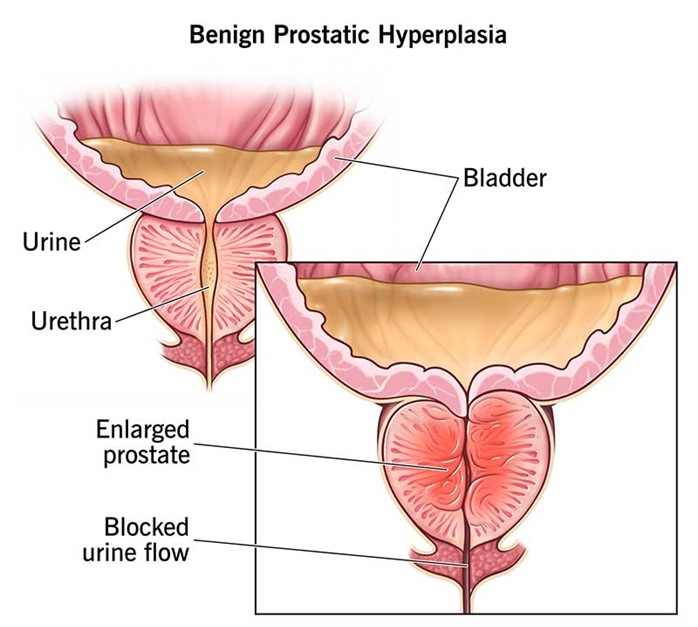
Choice D reason: The client's ability to urinate without straining indicates that the treatment for benign prostatic hyperplasia has been effective. Benign prostatic hyperplasia is a condition in which the prostate gland enlarges and compresses the urethra, causing difficulty in urination. Treatment options include medication, surgery, or minimally invasive procedures to reduce the size of the prostate and relieve urinary obstruction.
Whether you are a student looking to ace your exams or a practicing nurse seeking to enhance your expertise , our nursing education contents will empower you with the confidence and competence to make a difference in the lives of patients and become a respected leader in the healthcare field.
Visit Naxlex, invest in your future and unlock endless possibilities with our unparalleled nursing education contents today