
A nurse is teaching a client who has a new prescription for an MAOI. Which of the following foods is contraindicated with this medication?
Cheese
Potatoes
Grapefruit
Eggs
The Correct Answer is A
Choice A reason:
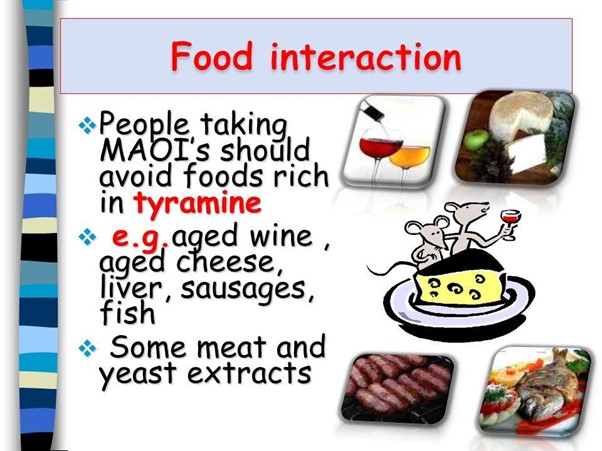
Among the options listed, cheese is the food that is contraindicated with MAOI use. Cheese is high in tyramine, and consuming it while taking MAOIs can lead to a potentially life-threatening hypertensive crisis.
An MAOI (Monoamine Oxidase Inhibitor) is a type of medication used to treat depression, anxiety, and other psychiatric disorders. When taking MAOIs, it is important to avoid certain foods that contain high levels of tyramine, as it can lead to a dangerous increase in blood pressure known as a hypertensive crisis.
Choice B reason:
Potatoes: Potatoes are not contraindicated with MAOI use. They do not contain significant levels of tyramine.
Choice C reason:
Grapefruit: Grapefruit is not contraindicated with MAOI use. However, it can interact with certain medications, so it's always a good idea to check with the healthcare provider or pharmacist about specific medication interactions.
Choice D reason:
Eggs: Eggs are not contraindicated with MAOI use. Like potatoes, they do not contain significant levels of tyramine.
Nursing Test Bank
Naxlex Comprehensive Predictor Exams
Related Questions
Correct Answer is B
Explanation
A. Incorrect. Performing gastrostomy feedings is a complex task that requires specialized training and assessment skills. The nurse should not delegate this task to an AP who has not received the appropriate education and competency validation.
B. Correct. Determining if the PRN pain medication has helped is a simple task that involves asking the client about their pain level and documenting the response. The nurse can delegate this task to an AP as long as they follow up with the client and evaluate the effectiveness of the pain management plan.
C. Incorrect. Providing instructions about client care to a family member over the telephone is a task that requires clinical judgment and communication skills. The nurse should not delegate this task to an AP who might not have the knowledge or authority to answer questions or address concerns.
D. Incorrect. Teaching a client how to measure their own blood pressure is a task that requires teaching and evaluation skills. The nurse should not delegate this task to an AP who might not be able to explain the procedure, demonstrate the technique, or assess the client's learning.
Correct Answer is B
Explanation
A. This is an incorrect action. Inserting air in the tube and listening for gurgling sounds in the epigastric area is not a reliable method to confirm NG tube placement, as it can produce false-positive results due to air entering the stomach or intestines.
B. This is a correct action. Aspirating contents from the tube and verifying the pH level is a valid method to confirm NG tube placement, as gastric contents typically have a pH of less than 5.5, while intestinal or respiratory contents have a higher pH.
C. This is an incorrect action. Reviewing the medical record for previous x-ray verification of placement is not sufficient to confirm NG tube placement, as the tube can migrate or become dislodged after insertion. X-ray verification should be done initially and whenever there is doubt about the tube's position.
D. This is an incorrect action. Auscultating the lungs for adventitious breath sounds is not a specific method to confirm NG tube placement, as it can indicate other conditions such as pneumonia or pulmonary edema. It can also miss signs of respiratory complications due to NG tube misplacement, such as pneumothorax or bronchial obstruction.
Whether you are a student looking to ace your exams or a practicing nurse seeking to enhance your expertise , our nursing education contents will empower you with the confidence and competence to make a difference in the lives of patients and become a respected leader in the healthcare field.
Visit Naxlex, invest in your future and unlock endless possibilities with our unparalleled nursing education contents today