
A nurse is reviewing the medication administration record for a client who is 2 days postoperative following abdominal surgery. The nurse should recognize that which of the following medications places the client at risk for wound dehiscence?
Omeprazole
Prednisone
Zolmitriptan
Verapamil
The Correct Answer is B
A. Omeprazole is a proton pump inhibitor used to reduce stomach acid and treat conditions such as ulcers and gastroesophageal reflux disease. It is not typically associated with an increased risk of wound dehiscence.
B. Prednisone is a corticosteroid that can impair wound healing and increase the risk of wound dehiscence, particularly in high doses or when used for prolonged periods.
C. Zolmitriptan is a medication used to treat migraine headaches and is not associated with an increased risk of wound dehiscence.
D. Verapamil is a calcium channel blocker used to treat hypertension and certain heart rhythm disorders. It is not typically associated with an increased risk of wound dehiscence.
Nursing Test Bank
Naxlex Comprehensive Predictor Exams
Related Questions
Correct Answer is D
Explanation
A. Butter is high in saturated fat and should be limited in cooking to decrease saturated fat intake.
B. Palm oil is high in saturated fat and should be limited in cooking to decrease saturated fat intake.
C. Coconut oil is high in saturated fat and should be limited in cooking to decrease saturated fat intake.
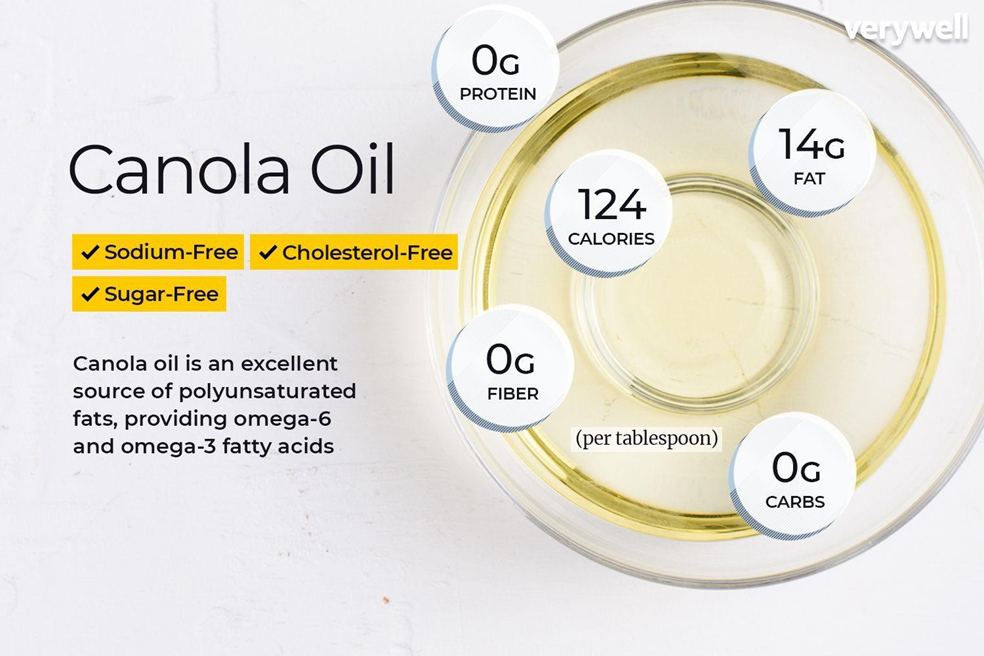
D. Canola oil is low in saturated fat compared to other oils and fats, making it a healthier option for cooking when trying to decrease saturated fat intake.
Correct Answer is ["A","B","C","D","E"]
Explanation
A. Fasting glucose level: Elevated fasting glucose levels are a component of metabolic syndrome, indicating potential insulin resistance or diabetes.
B. HDL level: Low levels of HDL cholesterol are indicative of metabolic syndrome, as HDL helps remove cholesterol from the arteries.
C. Triglyceride level: High levels of triglycerides in the blood are a sign of metabolic syndrome and can lead to arterial plaque buildup.
D. Blood pressure reading: High blood pressure is a criterion for metabolic syndrome and can cause damage to the heart and arteries.
E. Waist circumference measurement: An increased waist circumference is a clear indicator of metabolic syndrome, reflecting central obesity.
Whether you are a student looking to ace your exams or a practicing nurse seeking to enhance your expertise , our nursing education contents will empower you with the confidence and competence to make a difference in the lives of patients and become a respected leader in the healthcare field.
Visit Naxlex, invest in your future and unlock endless possibilities with our unparalleled nursing education contents today