
A nurse is reinforcing teaching with a client who is scheduled for a sigmoid colon resection with colostomy. Which of the following statements by the client indicates a need for further teaching?
“Because most of my colon is still intact and functioning, my stool will be formed.”
“My stoma will appear large at first, but it will shrink over time.”
“My colostomy will begin to function 2 to 6 days after surgery.”
“My diet will have to change to a soft diet after surgery.”
The Correct Answer is D
Choice A reason: This is a correct statement, because the stool consistency depends on the location of the colostomy. A sigmoid colostomy is located in the lower part of the colon, where most of the water is absorbed, so the stool will be formed.
Choice B reason: This is a correct statement, because the stoma size will decrease as the swelling subsides and the wound heals. The stoma will reach its final size in about 6 to 8 weeks after surgery.
Choice C reason: This is a correct statement, because the colostomy function will resume gradually after surgery, depending on the bowel motility and the presence of gas or stool. The colostomy will usually start to function 2 to 6 days after surgery.
Choice D reason: This is an incorrect statement, because the diet does not have to change to a soft diet after surgery. The client can resume a normal diet as tolerated, unless there are specific dietary restrictions or recommendations from the provider. A soft diet may be recommended only for the first few days after surgery, to avoid bowel obstruction or irritation.
Nursing Test Bank
Naxlex Comprehensive Predictor Exams
Related Questions
Correct Answer is C
Explanation
Choice A reason: This is an incorrect action, because covering the insertion site with a hydrocolloid dressing can prevent air from escaping and cause a subcutaneous emphysema, which is a complication of chest tube removal. The insertion site should be covered with a sterile gauze dressing and taped on three sides.
Choice B reason: This is an important action, but not the first one. The nurse should provide pain medication before removal, not immediately after, to reduce the discomfort and anxiety of the client.
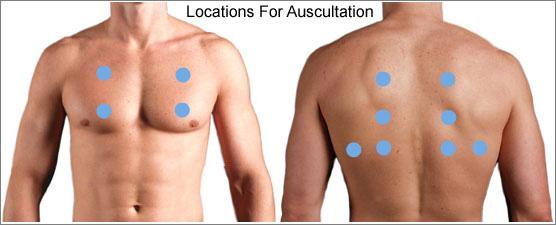
Choice C reason: This is the correct action, because auscultating the lungs after removal can help assess the respiratory status and detect any signs of pneumothorax, such as diminished or absent breath sounds.
Choice D reason: This is an incorrect action, because delegating removal of the chest tube to an AP is beyond the scope of practice and can cause harm to the client. The removal of the chest tube should be performed by the nurse or the provider.
Correct Answer is C
Explanation
Choice A reason: This is an incorrect instruction, because the client does not need to remain NPO, or nothing by mouth, before a standard EEG. The client can eat and drink normally, unless the provider instructs otherwise.
Choice B reason: This is an incorrect instruction, because the client should not take a sedative, or any other medication that can affect the brain activity, before a standard EEG. The client should take the usual medications, unless the provider instructs otherwise.
Choice C reason: This is the correct instruction, because the client should thoroughly shampoo hair prior to the EEG. The client should wash the hair with a mild shampoo and rinse well, without using any conditioner, gel, spray, or other hair products. This can help remove any oil, dirt, or residue that can interfere with the placement and function of the electrodes.
Choice D reason: This is an incorrect instruction, because the client should not take an additional dose of anticonvulsant medication before a standard EEG. The client should take the regular dose of anticonvulsant medication, unless the provider instructs otherwise.
Whether you are a student looking to ace your exams or a practicing nurse seeking to enhance your expertise , our nursing education contents will empower you with the confidence and competence to make a difference in the lives of patients and become a respected leader in the healthcare field.
Visit Naxlex, invest in your future and unlock endless possibilities with our unparalleled nursing education contents today