
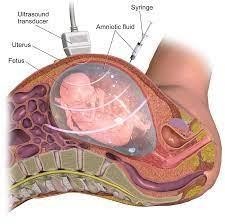
A nurse is reinforcing teaching about an amniocentesis with a client who is at 34 weeks of gestation. Which of the following instructions should the nurse include in the teaching?
"You should anticipate a small amount of leakage of fluid following the procedure."
"You should take milk of magnesia the night prior to the procedure."
"You should report uterine contractions following the procedure to your provider."
"You will have blood work drawn before the procedure."
The Correct Answer is C
A) Incorrect- Leakage of fluid is possible but not a primary focus of post-procedure instructions.
B) Incorrect- Milk of magnesia is not relevant to an amniocentesis procedure.
C) Correct - Reporting uterine contractions after the procedure is important as it could indicate a potential complication, such as preterm labor.
D) Incorrect- Blood work drawn before the procedure is not typically part of the amniocentesis process.
Nursing Test Bank
Naxlex Comprehensive Predictor Exams
Related Questions
Correct Answer is B
Explanation
A) Incorrect- Elevating a baby's head with a cushion during sleep is not recommended, as it can increase the risk of sudden infant death syndrome (SIDS) and obstructed breathing.
B) Correct - "I should replace the batteries in my smoke detector twice per year." Regularly replacing smoke detector batteries helps ensure they function properly in case of a fire emergency.
C) Incorrect- Setting the hot water heater to 130°F (54.4°C) is too hot and can cause scalding burns. The recommended temperature is 120°F (48.9°C) or lower.
D) Incorrect- Baby powder is not recommended for use with diaper changes, as it can be inhaled by the baby and lead to respiratory issues.
Correct Answer is C
Explanation
A) Incorrect- Oxytocin is not typically administered during a nonstress test.
B) Incorrect- A nonstress test is used to assess fetal well-being and does not indicate Down syndrome.
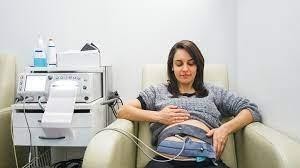
C) Correct - A lateral tilt position (usually left lateral tilt) is recommended during a nonstress test to prevent compression of the vena cava and maintain proper blood flow to the uterus, which can optimize fetal heart rate monitoring.
D) Incorrect- NPO status is not typically required for a nonstress test. Nonstress tests are non-invasive and do not involve fasting.
Whether you are a student looking to ace your exams or a practicing nurse seeking to enhance your expertise , our nursing education contents will empower you with the confidence and competence to make a difference in the lives of patients and become a respected leader in the healthcare field.
Visit Naxlex, invest in your future and unlock endless possibilities with our unparalleled nursing education contents today