
A nurse is providing teaching to a client who has a terminal illness and is considering palliative care services. Which of the following statements by the client indicates an understanding of the teaching?
“I will receive help with managing my meals with this service.”
“I will need to go to a skilled facility to receive these services.”
“This service provides my caregiver the opportunity to take time for themselves.”
"This service assists with making me comfortable during my illness."
The Correct Answer is D
A: Palliative care includes holistic care, but it's not primarily focused on managing meals.
B: Palliative care can be provided at various locations, including the client's home, not necessarily a skilled facility.
C: While palliative care may support caregivers, its primary focus is on the comfort and well-being of the client.
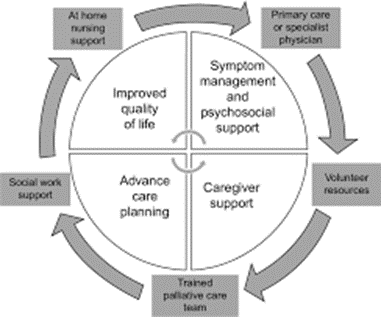
D: Palliative care aims to make the client comfortable physically, emotionally, and spiritually during a terminal illness.
Nursing Test Bank
Naxlex Comprehensive Predictor Exams
Related Questions
Correct Answer is ["A","C","E"]
Explanation
A. Elevated oral temperature may indicate a fever and requires further assessment.
B. This blood pressure value is within the normal range.
C. An elevated heart rate (108/min) suggests tachycardia, and it requires further investigation to determine the cause.
D. A respiratory rate of 22/min is not a finding that raises concern.
E. A pulse oximetry reading of 90% on supplemental oxygen (40% O2) is below the expected range, indicating potential respiratory distress and requiring immediate attention.
F. Pink mucous membrane is a normal finding.
Correct Answer is B
Explanation
A: Hypervolemia is often associated with increased fluid volume, which typically results in an increased heart rate (tachycardia), not bradycardia.
B: Peripheral edema is a common manifestation of hypervolemia due to the excess fluid in the extracellular space.
C: Hypervolemia is more likely to cause increased blood pressure (hypertension), not hypotension.
D: Oliguria (decreased urine output) is associated with hypovolemia, not hypervolemia.
Whether you are a student looking to ace your exams or a practicing nurse seeking to enhance your expertise , our nursing education contents will empower you with the confidence and competence to make a difference in the lives of patients and become a respected leader in the healthcare field.
Visit Naxlex, invest in your future and unlock endless possibilities with our unparalleled nursing education contents today