
A nurse is providing discharge teaching to the mother of a newborn about breastfeeding. Which of the following statements by the client does not indicatean understanding of the teaching?
"I will dilute juice with 50 percent water to supplement between feedings."
"I will begin and end with the same breast when I feed my baby."
"I should feed my baby on demand at least eight times each day."
"I should use pumped breast milk within 72 hours of refrigeration."
The Correct Answer is A
Choice A rationale:
Diluting juice with 50 percent water to supplement between feedings is not recommended for newborns. Newborns should primarily be receiving breast milk or formula to ensure proper nutrition. Offering diluted juice can lead to inadequate intake of essential nutrients and unnecessary exposure to sugar. It's important for the newborn's diet to be appropriate for their stage of development.
Choice B rationale:
Beginning and ending with the same breast during feeding sessions promotes effective breastfeeding and adequate milk supply. This approach ensures that the baby receives both the foremilk (low-fat milk that comes at the beginning of a feeding) and hindmilk (higher-fat milk that comes later in a feeding), which is important for proper nutrition and growth. This choice demonstrates an understanding of the principles of breastfeeding.
Choice C rationale:
Feeding the baby on demand at least eight times each day is a suitable recommendation. Newborns have small stomachs and need frequent feedings to meet their nutritional needs and support healthy growth. Feeding on demand helps establish a good milk supply and ensures that the baby gets enough milk to thrive.
Choice D rationale:
Using pumped breast milk within 72 hours of refrigeration is a correct statement. Breast milk can be refrigerated for a limited time while maintaining its nutritional quality. Using pumped milk within 72 hours helps minimize the risk of bacterial growth and ensures that the baby receives milk that's still rich in nutrients and antibodies.
Nursing Test Bank
Naxlex Comprehensive Predictor Exams
Related Questions
Correct Answer is B
Explanation
Choice A rationale:
Decreasing intake of omega-3 fatty acids would not be recommended for promoting cardiovascular health. Omega-3 fatty acids are essential fats that have been shown to have various heart-protective effects, such as reducing inflammation, lowering triglyceride levels, and improving overall cardiovascular health.
Choice B rationale:
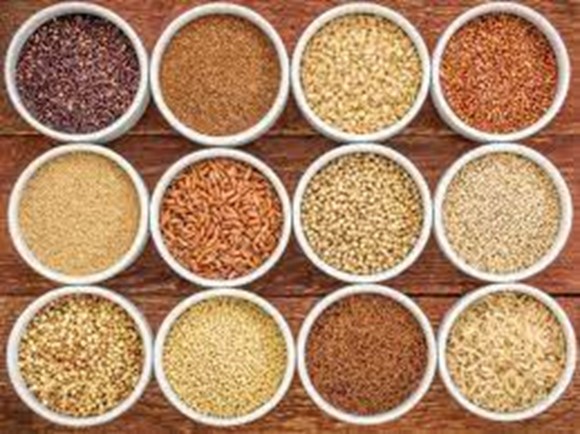
Increasing the intake of whole grains is a sound recommendation for promoting cardiovascular health. Whole grains are rich in dietary fiber, vitamins, and minerals. They can help lower cholesterol levels, improve blood sugar control, and contribute to a healthy cardiovascular system.
Choice C rationale:
Decreasing the intake of potassium is not advisable for cardiovascular health. Potassium is a mineral that plays a crucial role in maintaining proper heart and muscle function. Adequate potassium intake can help regulate blood pressure and reduce the risk of stroke.
Choice D rationale:
Increasing the intake of refined carbohydrates is not a suitable recommendation for cardiovascular health. Refined carbohydrates, such as sugary snacks and white bread, can lead to spikes in blood sugar levels, weight gain, and an increased risk of heart disease.
Correct Answer is A
Explanation
Choice A rationale:
Boiled eggs are appropriate for a client with cholecystitis. Cholecystitis involves inflammation of the gallbladder, and fatty foods can exacerbate symptoms. Boiled eggs are a lean protein source that doesn't contain added fats, making them suitable for the client's dietary restrictions.
Choice B rationale:
Banana muffin is not an optimal choice for a client with cholecystitis. Muffins, especially those made with added fats and sugar, can be high in calories and fats that may worsen symptoms of cholecystitis.
Choice C rationale:
Ground beef is not recommended for a client with cholecystitis due to its higher fat content. Fried or fatty foods can trigger discomfort and worsen the condition. The client should focus on lower-fat protein sources.
Choice D rationale:
Brown rice is a better choice than some other grains, but it might still be too heavy for a client with cholecystitis. It's preferable to prioritize easily digestible and lower-fat foods to alleviate symptoms.
Whether you are a student looking to ace your exams or a practicing nurse seeking to enhance your expertise , our nursing education contents will empower you with the confidence and competence to make a difference in the lives of patients and become a respected leader in the healthcare field.
Visit Naxlex, invest in your future and unlock endless possibilities with our unparalleled nursing education contents today